Funtriper
← Back to attractions

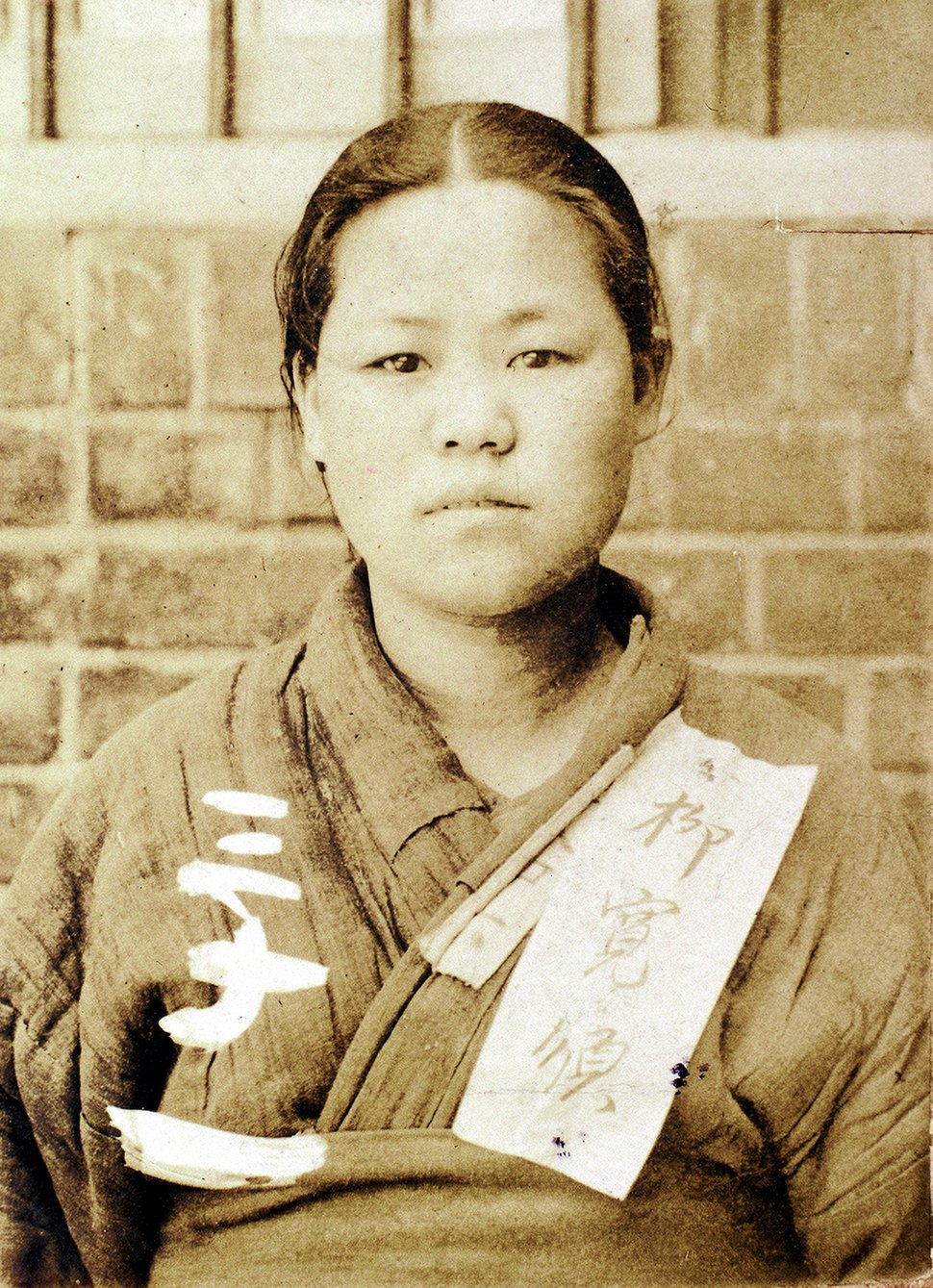
Yu Gwan-sun Memorial Hall

South Korea · Historic Sites
유관순열사기념관
Unknown authorUnknown author / Public domain — via Wikimedia Commons

Image source: Wikimedia Commons; license credits as shown.

Overview

The Yu Gwan-sun Memorial Hall is a memorial museum in Byeongcheon-myeon, Dongnam-gu, Cheonan, South Chungcheong Province, dedicated to Yu Gwan-sun and the Aunae Independence Movement. It opened on April 1, 2003, and its exhibition hall, video room, and hands-on spaces present the martyr’s life, imprisonment, and the meaning of the independence movement.

Getting There

From Cheonan Station or Cheonan Intercity Bus Terminal, take city bus No. 400, 405, or 500, get off at Byeongcheon 3-ri, and walk about 10 minutes. There is a large parking lot in front of the memorial hall.

Highlights

A memorial facility for the independence movement, created to mark the 100th anniversary of Yu Gwan-sun’s birth. Exhibitions and videos present Yu Gwan-sun’s life, trial records, and the path leading to her martyrdom in prison in an easy-to-understand way. It has interactive exhibits such as a confinement-cell experience and a Taegeukgi experience, giving it a strong educational character. The building was constructed in the shape of a traditional Korean hanok with a paljak roof.

What to See

Exhibition hall: You can see Yu Gwan-sun’s family history, prisoner record cards, family register copies, and trial records. Video room: Recreates the Aunae Independence Movement and the trial process through video. Experience area: Visitors can try hands-on exhibits such as the confinement-cell experience and the Taegeukgi experience. Nearby memorial facilities: A statue, memorial pavilion, cenotaph monument, and beacon tower are also arranged together.

Hours & Admission

Operating hours are 09:00–18:00 in summer and 09:00–17:00 from November to February in winter. Admission is free.

Address

38 Yugwansun-gil, Byeongcheon-myeon, Dongnam-gu, Cheonan, Chungcheongnam-do

Travel Tips

Around March 1 Independence Movement Day or Liberation Day, there may be many visitors and people paying respects, so a morning visit is relatively quieter. If you visit the statue, memorial pavilion, cenotaph, and beacon tower together with the memorial hall, the sightseeing route becomes more complete. Because it includes both indoor exhibitions and outdoor memorial spaces, it is especially pleasant to visit like a walk in good weather.

Nearby Dining

The provided materials do not include verified restaurant information near the memorial hall.

FAQ

Is there an admission fee? Admission is free. When did it open? It opened on April 1, 2003. How do I get there? Take bus 400, 405, or 500 from Cheonan Station or Cheonan Intercity Bus Terminal, get off at Byeongcheon 3-ri, and walk about 10 minutes. What can I see? You can see exhibitions on Yu Gwan-sun’s life, the Aunae Independence Movement, trial records, and prison life.

Map

More Info

Nearby Attractions

Art Space Sun 0.1 km

Art Space Sun

소공동 · Museums & Galleries

Art Space Sun is a gallery in the basement level 1 of KG Tower in the Sogong-dong area of Jung-gu, Seoul. It combines a Buddhist art creation studio, a traditional painting education academy, and a rental gallery, making it a multi-purpose art space with both exhibition and educational functions.

Apetzeller Memorial Park 0.2 km

Apetzeller Memorial Park

South Korea · Parks & Gardens

Apetzeller Memorial Park is a small memorial park in the Jeong-dong area of Jung District, Seoul, created to honor American Methodist missionary Henry Appenzeller. Located next to the historic Paichai Academy and the Paichai Academy History Museum, the park offers a quiet setting that combines sculptures and memorial monuments, preserving the memory of modern Christian education and Korea’s early modern enlightenment history. A cross-shaped art installation and a memorial tower in the park symbolize Appenzeller’s faith and educational spirit, making it a good stop to include in a Jeong-dong walking route.

Ewha Womans University Centennial Hall 0.3 km

Ewha Womans University Centennial Hall

South Korea · Historic Sites

Ewha Womans University Centennial Hall is an educational and performance complex built to commemorate the 100th anniversary of Ewha Girls’ High School. It is located on the Ewha Girls’ High School campus in Jeong-dong, Jung District, Seoul. The building stands on the former site of Fleh Hall, which was demolished after a fire in 1975, and has 5 floors above ground and 3 basement levels. It includes multi-purpose facilities such as the professional theater Hwaam Hall. In addition to serving as a venue for school-based education, concerts, and performances, it is also regarded as an important landmark in Seoul’s modern educational history because of its historical background and the atmosphere of Jeong-dong Street.

Rice Museum 0.3 km

Rice Museum

South Korea · Museums & Galleries

The Rice Museum is a themed museum established by the National Agricultural Cooperative Federation of Korea, dedicated to the history and value of rice. It is located inside the Nonghyup building on Saemunan-ro in Jung-gu, Seoul. Through permanent exhibitions, hands-on classrooms, and multimedia interaction, the museum helps visitors learn about Korea’s rice-farming culture, the nutrition of rice, and rice-based food customs from different regions. The museum has two floors and, together with the neighboring Agricultural Museum, forms an important learning space for understanding grains and agriculture. Admission is free throughout the museum, making it especially suitable for families and school field trips.