
Yilan County · Nature & Scenery
Curated travel attractions — browse by region or category.
Category
Luodong Nature Education Center
羅東鎮 · Nature & Scenery
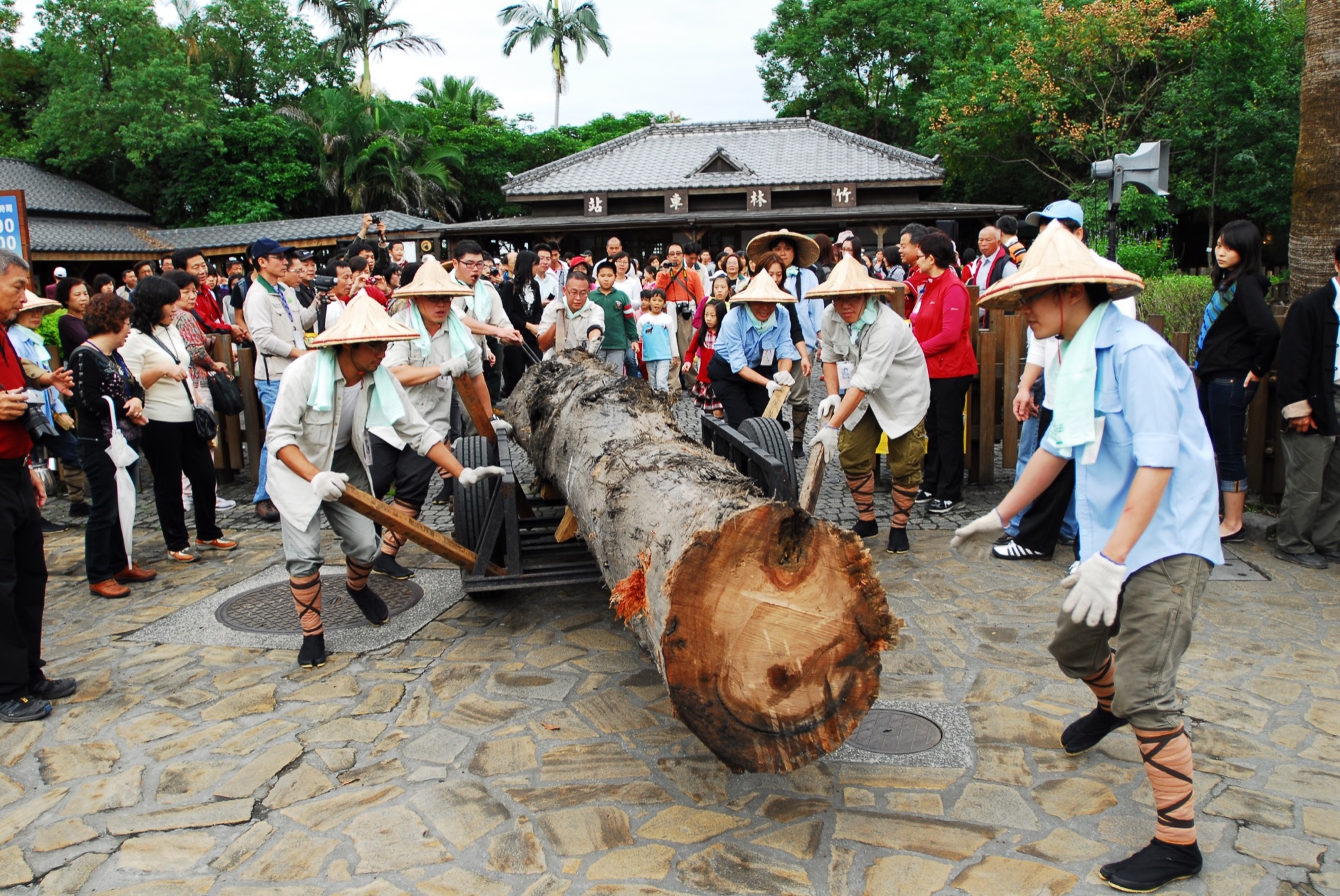
Riding a century-old railway into forestry culture, and wandering through the green mountains and waters of Lanyang, we live alongside nature in the city. Located inside the Luodong Forestry Cultural Park, this was once an important transfer hub for the Taipingshan Forest District during the heyday of Taiwan’s timber industry. Buildings and industrial relics from the Japanese colonial era remain today, including log-hauling trains, railway artifacts, and Zhu Lin Station. The former log pond has been transformed into an ecological pond, and the mix of aquatic and terrestrial environments creates diverse habitats with rich biodiversity.
Luodong Forestry Culture Park
羅東鎮 · Nature & Scenery
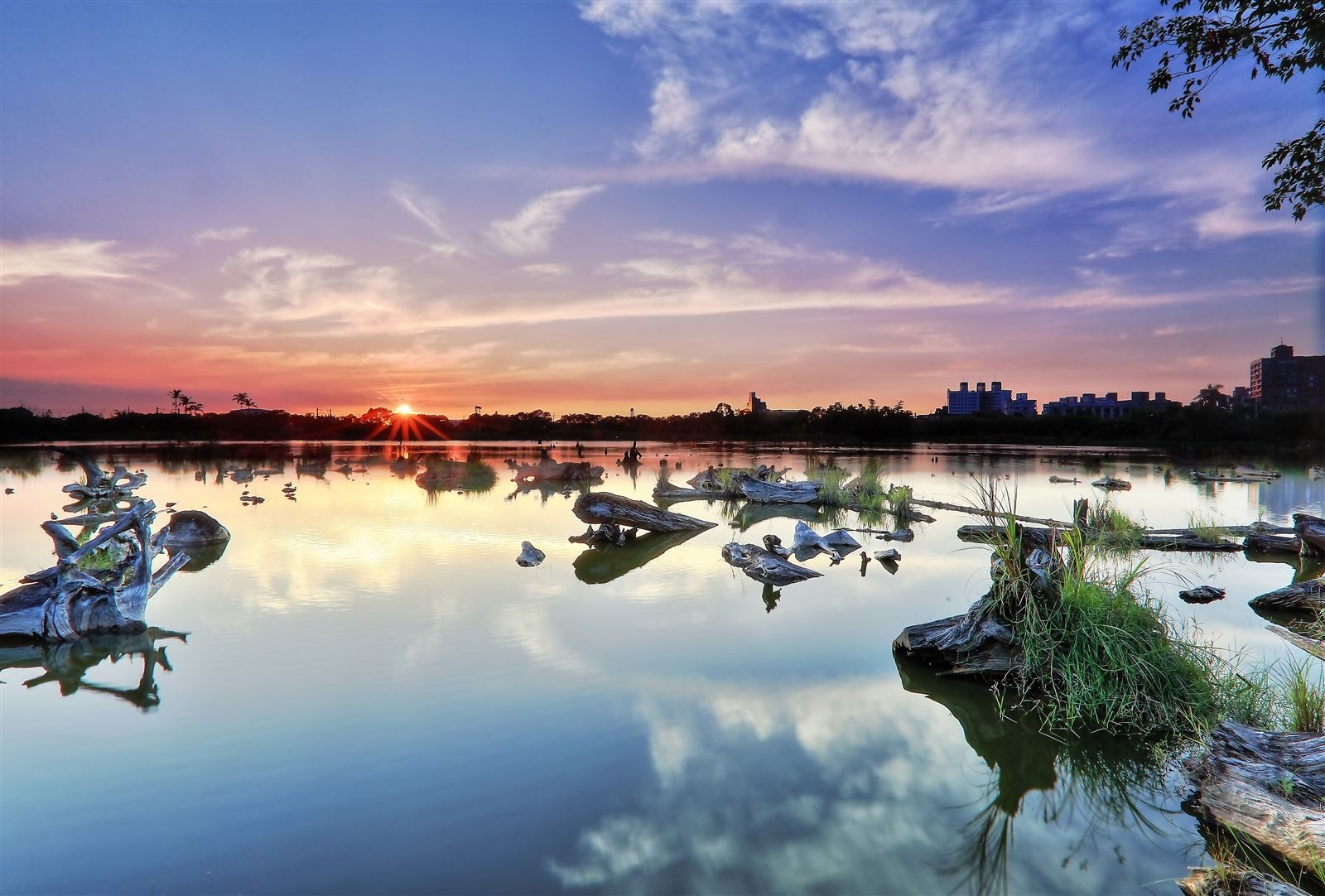
During the Japanese colonial period, there were three major government-run forest farms: Alishan, Basianshan, and Taipingshan, with Taipingshan being the later-developed one. Luodong Forestry Culture Park is the former site of the Luodong Branch Office and timber storage pond from the Japanese era. Since logging in Taipingshan ended in 1982, most of the area has remained in its original form. In 2004, the Yilan Branch of the Forestry and Nature Conservation Agency planned the site as a forestry culture park and renovated it to combine forestry history, ecological sustainability, and design. In addition to restoring the park’s former forestry heritage, it also highlights the historical significance of Taipingshan forestry and Luodong’s urban development. In 2012, the park was officially registered as a cultural landscape under the Cultural Heritage Preservation Act under its old name, Luodong Forest Farm.
Taipingshan National Forest Recreation Area
Datong Township · Nature & Scenery
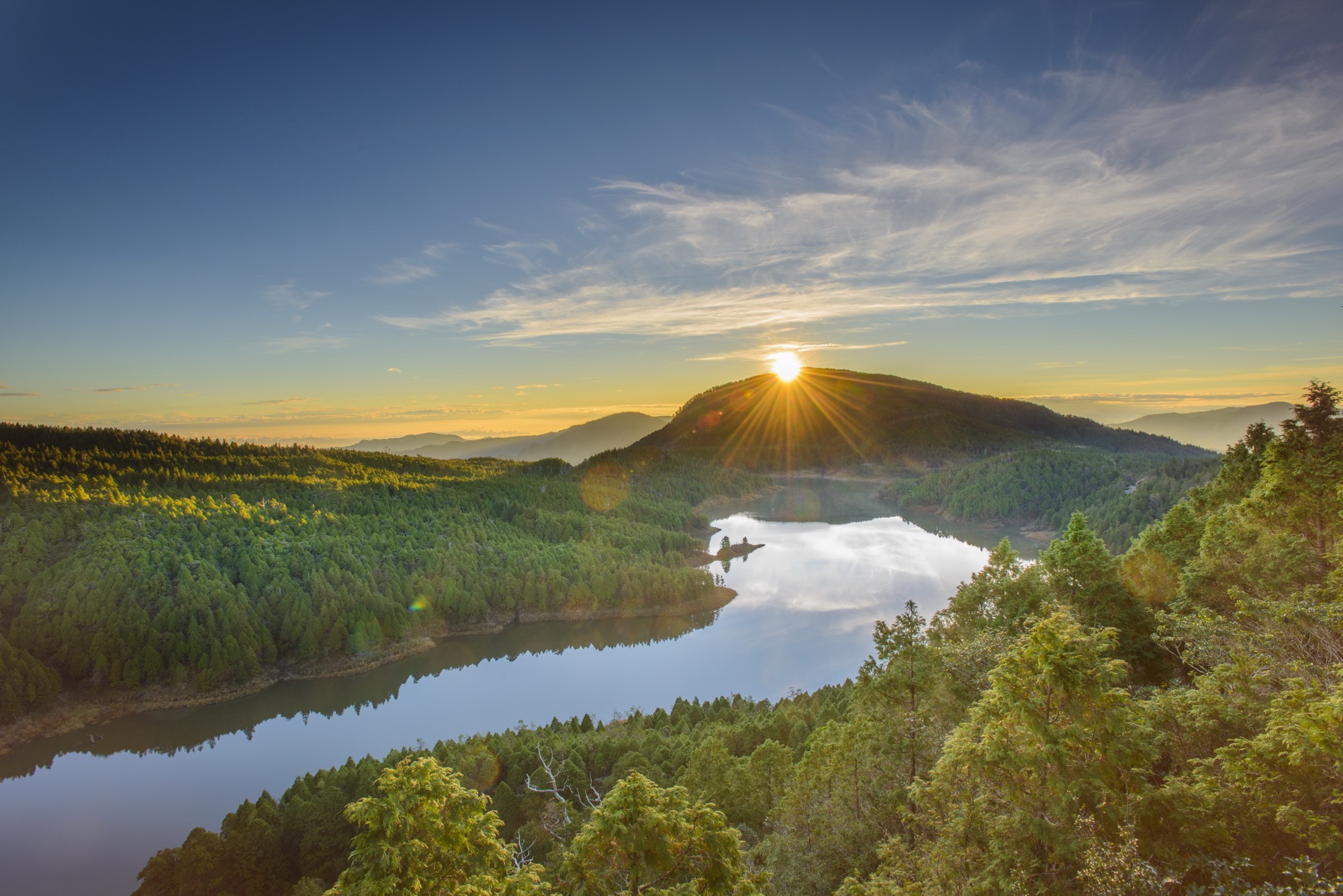
With the Bong Bong Train, hot springs, alpine lakes, giant-tree forests, and the Taiwan beech, Taipingshan National Forest Recreation Area traces more than a century of history. Taipingshan was formerly called "Miannao," a Tayal word meaning "lush and verdant." In 1914, the Japanese first surveyed the area’s resources, and in 1915 they decided to develop it. A report in the Taiwan Daily News on July 28, 1936, stated: "The name Taipingshan was transliterated from the indigenous language by Mr. Nakazato, the chief engineer at the time before the office was moved. It also means that after Governor Sakuma’s five-year campaign ended, the world returned to peace." Therefore, "world peace" is the true origin of the Taipingshan place name, and the name was given by exploration pioneer Masao Nakazato. At an elevation of 2,000 meters, Taipingshan is a forestry legend second only to Alishan. The Japanese began logging here in 1915, and later the Nationalist government took over, turning it into Taiwan’s largest forest estate. It was transformed into a recreation area in 1983, leaving behind precious remnants such as the Jianshan Railway and the Bong Bong Train. Visitors can stroll through the primeval forest behind Zhen’an Temple and imagine the era when giant trees once covered the mountains. Driving along Cuifeng Scenic Road, where Taiwan macaques and mikado pheasants are often seen, leads to Cuifeng Lake, Taiwan’s largest alpine lake at 1,840 meters above sea level. Across the lake lies the habitat of the national treasure Taiwan beech, and in autumn you can follow the 4-kilometer trail to admire the brilliant golden forest. Nearby the toll station, Jiuzhize Hot Spring is a famous carbonated spring and one of the area’s signature attractions. Taipingshan National Forest Recreation Area is an excellent first choice for travelers who love nature and are visiting Yilan.
Taipingshan Bongbong Train
Datong Township · Nature & Scenery
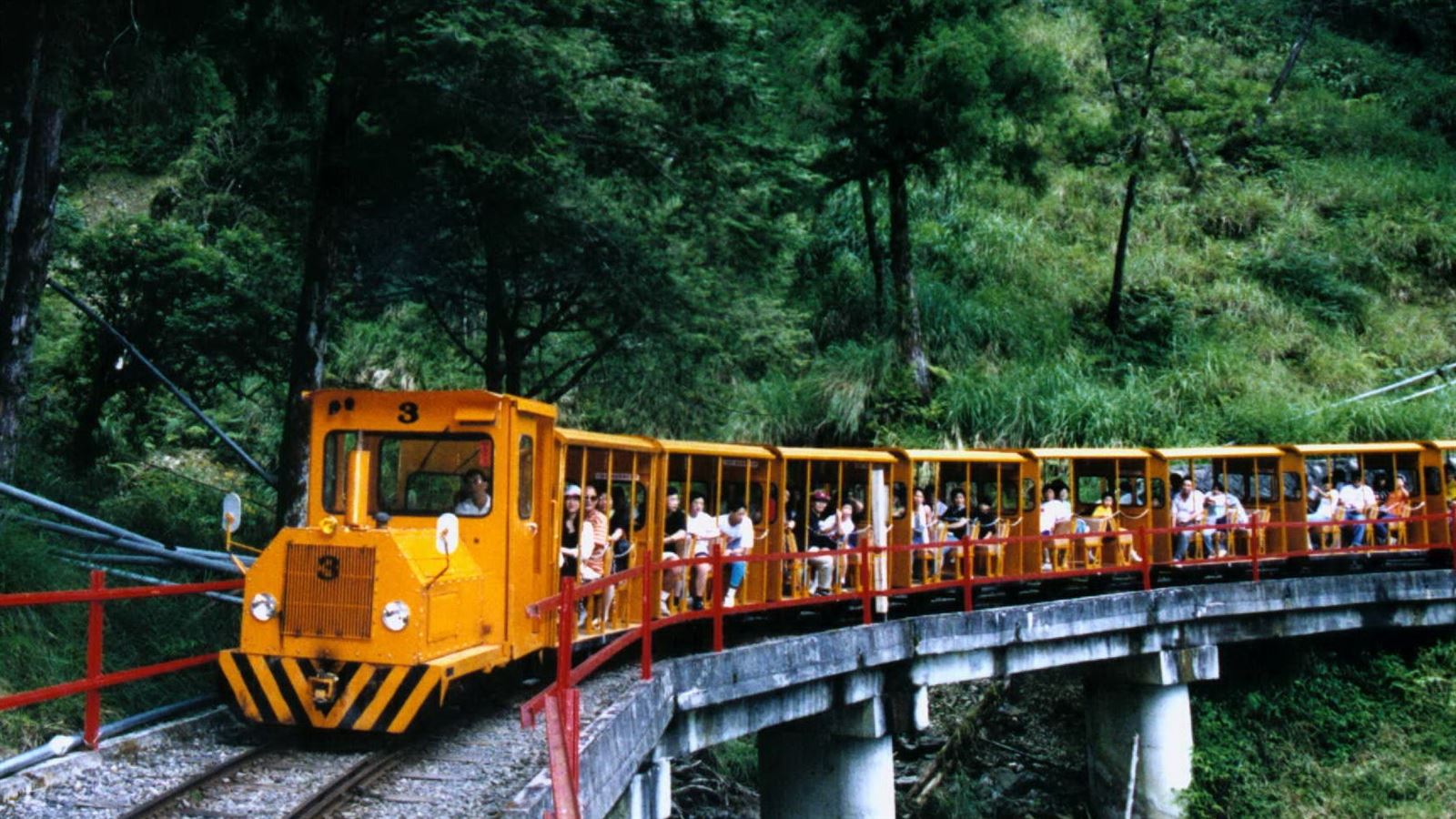
Taipingshan Bongbong Train was originally the Maoxing Line of the Taipingshan Forest Railway. It starts at Taipingshan Lodge and ends at Maoxing Station, with a total length of about 3 kilometers and a travel time of around 20 minutes. Beneath towering old-growth trees, sunlight filters softly through the forest, and the track winds through the woods. Riding in the open-air cars, visitors can get close to the beautiful layered mountain scenery along the route. At the Maoxing terminus, there is a self-guided forest trail, a native fern garden, and the Maoxing National Forest Trail. The agency continues to improve the track, route, and operating systems, strengthens staff training to enforce standard operating procedures, and regularly holds on-the-job training to improve service quality and ensure safe operations.