
Best Landmarks in 上海市
China · Huangpu District · Shanghai
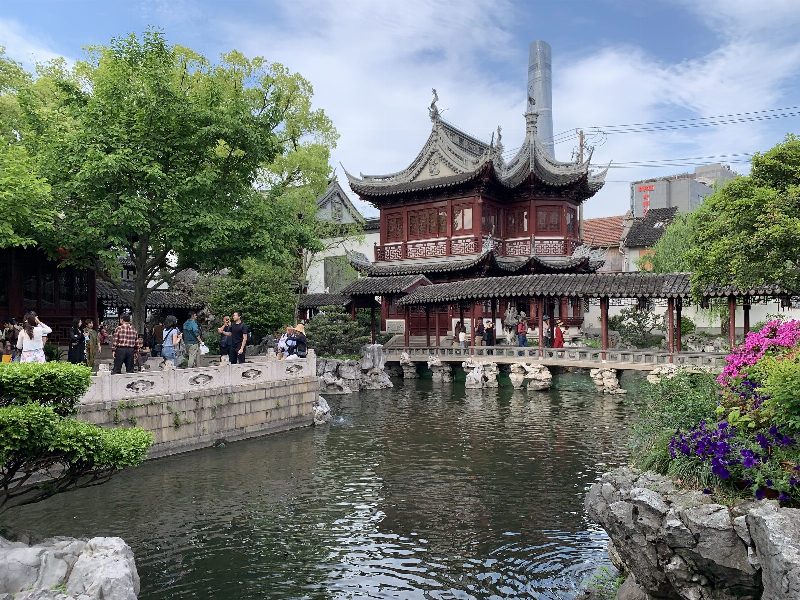
Yu Garden
Shanghai · Landmarks
Yu Garden is a classical garden in the Jiangnan style, originally built during the Ming Dynasty in the Jiajing era. It is located in the northeastern part of the old city of Huangpu District, Shanghai, near the City God Temple and Yu Garden Shopping Mall. The garden features pavilions, towers, rockeries, and ponds that are arranged harmoniously, earning it the reputation of being 'the most exquisite in Jiangnan.' It is a representative site for tourists to experience the aesthetics of classical Chinese gardens amidst the bustling metropolis.

Madame Tussauds Shanghai
Shanghai · Landmarks
Madame Tussauds Shanghai is located on the 10th floor of New World City on Nanjing West Road in Huangpu District, Shanghai, and is a popular indoor attraction in the city center. The museum features celebrity wax figures, themed exhibition areas, and interactive experiences, making it ideal for travelers who enjoy photography, film, music, and experiential exhibitions.

Power Station of Art
Shanghai · Landmarks
The Power Station of Art is a public contemporary art museum located on the southern bank of the Huangpu River in Huangpu District, Shanghai. It was transformed from the former Nanshi Power Plant and is the first state-owned contemporary art museum in mainland China. The museum features approximately 15,000 square meters of exhibition space and 12 exhibition halls, primarily hosting large international contemporary art exhibitions and serving as the main venue for the Shanghai Biennale. Its towering chimney and industrial-style architecture have become a highly recognizable cultural landmark along the Huangpu River.