Shuitou No. 57 Western-style House (Overseas Chinese Cultural Exhibition Hall)
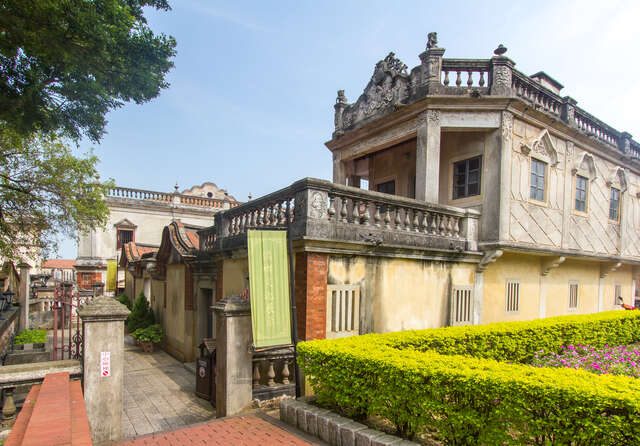
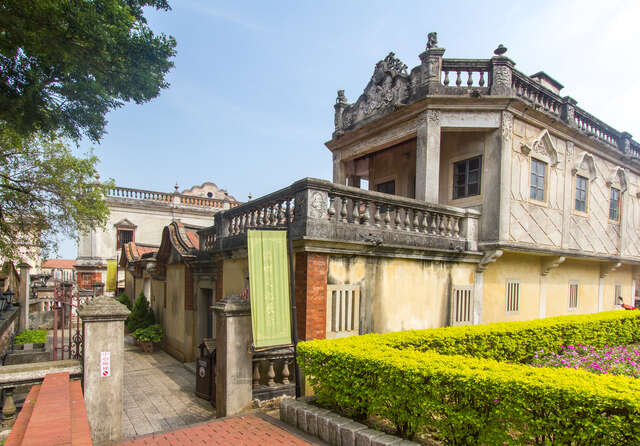
Image source: Taiwan_Opendata; license credits as shown.
Overview
The national park is established around the old western-style house next to Deyue Tower, featuring a unique architectural style that combines traditional and Western elements. Visitors can appreciate the room configurations and decorative materials that reflect the cultural background of the overseas Chinese from Kinmen who settled in Southeast Asia. This site serves as an important window to understand the traditional residences of Kinmen.
Highlights
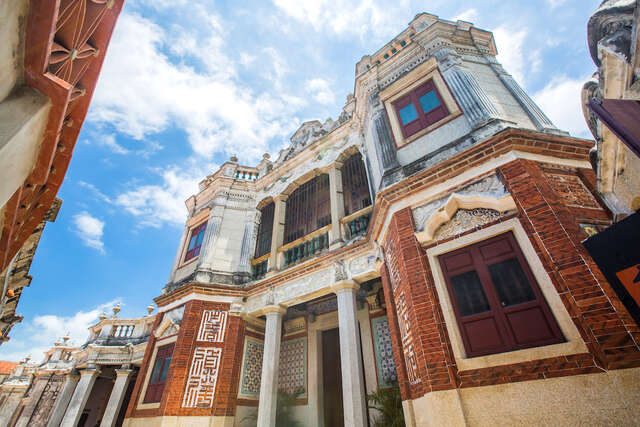
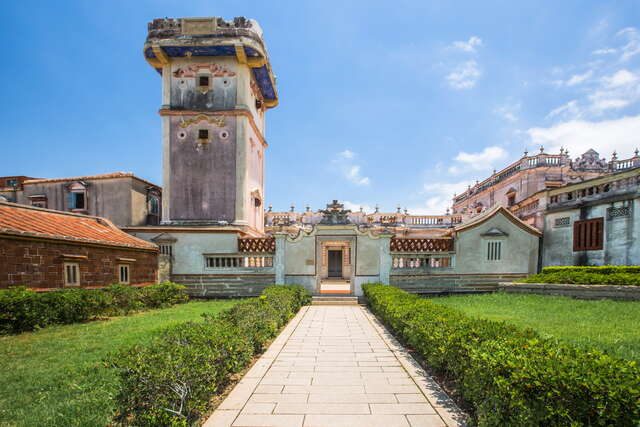
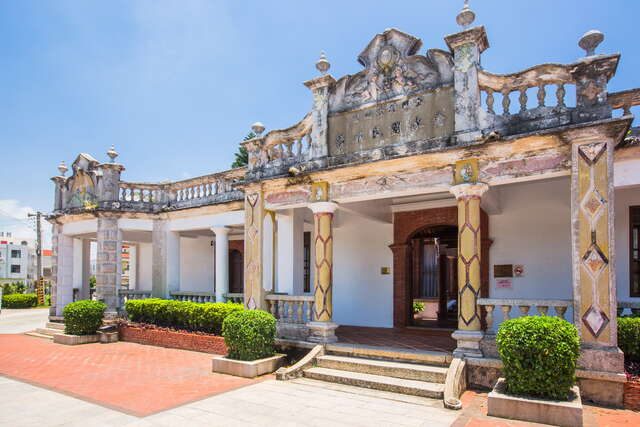
Shuitou No. 57 Western-style House (Overseas Chinese Cultural Exhibition Hall) is an old western-style house restored by the national park, dedicated to showcasing the beauty of Kinmen's overseas Chinese culture and the blend of Eastern and Western architecture. The building features a layout known as 'one drop, two eaves, plus a left dragon stacking house,' allowing visitors to closely observe the room configurations, facade proportions, and decorative materials such as bricks, woodwork, and pebble wash, experiencing the fusion of traditional Minnan-style houses and Western-style buildings. The exhibition hall focuses on the lives of Kinmenese who lived in Southeast Asia, illustrating the architectural art, clothing, food, daily life, and immigration stories, providing an important entry point to understand the history of Kinmen's overseas Chinese culture. The house is located next to the famous landmark 'Deyue Tower,' making it suitable for a leisurely stroll and photography around the entire Shuitou settlement.
What to See
1. Eastern and Western architectural fusion Shuitou No. 57 Western-style House is a historical building based on the traditional 'one drop, two eaves, plus a left dragon stacking house' style, incorporating Western architectural vocabulary. The facade, balconies, and lines of doors and windows exhibit distinct Western decorative elements. Visitors can closely observe details such as wall construction, brick carvings, stone materials, wood structures, and paintings, experiencing the aesthetic taste brought back by wealthy Kinmen merchants from abroad. 2. Interior room layout and daily life flow The exhibition hall retains and displays the traditional allocation of residential spaces, including the main hall, rooms, kitchen, and storage areas, presenting the daily living patterns of large Kinmen families in the past through the arrangement of movement flow. The size of the rooms, the configuration of doors and windows, and the location of stairs reveal traces of family hierarchy, gender roles, and living customs. 3. Overseas Chinese culture and Southeast Asian style exhibition area The exhibition hall focuses on the history of Kinmen's ancestors living in Southeast Asia, displaying images and objects related to Southeast Asian life, explaining the background of doing business and striving in Southeast Asia, and how Southeast Asian styles were integrated into hometown architecture. The exhibition introduces architectural decorative symbols, household items, clothing, and the impact of remittances on families and communities, helping travelers understand why Western-style houses and foreign elements are prevalent in Kinmen. 4. Deyue Tower and surrounding landscapes of Shuitou settlement The western-style house is adjacent to the famous 'Deyue Tower,' both representing significant buildings in the Shuitou settlement. Visitors can enjoy views of the settlement's alleys and the rooftops of ancient houses from inside the hall or the front yard. It is recommended to visit nearby attractions such as the Wang Family Ancient House and Huang Family Ancient House to compare the differences between overseas Chinese western-style houses and traditional Minnan-style ancient houses. 5. Exhibition explanations and screening content The hall provides illustrated explanations and guided tours, and during certain times, films related to overseas Chinese and settlement history are screened, allowing travelers to quickly grasp the stories of Shuitou settlement and overseas Chinese culture through audiovisual means. If time permits, it is advisable to reserve some time to closely examine the exhibition boards, listen to explanations, and watch the films.
Address
No. 39, Qianshuitou, Jincheng Township, Kinmen County 893 Phone: (08) 2313281
Travel Tips
The most convenient way to visit Shuitou No. 57 Western-style House (Overseas Chinese Cultural Exhibition Hall) is to include it in a walking route through the Shuitou settlement, visiting Deyue Tower, Wang Family Ancient House, and surrounding western-style buildings in one go. The opening hours indicated by the museum are usually during the daytime, so it is recommended to visit in the morning or afternoon, allowing about 30 minutes to 1 hour for the visit, and then extend to outdoor photography and exploring the settlement. Kinmen has a maritime climate, with strong sunlight and high UV levels in summer, so it is advisable to bring hats, sunscreen, and water bottles. Although there is shade indoors, walking between attractions is necessary. In winter, the northeast monsoon is strong, making it feel cold; it is recommended to prepare warm and windproof jackets. As the hall is a historical building, visitors should keep their voices down, avoid running, and refrain from touching fragile components to protect the structure and exhibits. If there are nostalgic furniture or wooden stairs, walk slowly and tread carefully. Most travelers combine visits to Kincheng Old Street and other attractions in Shuitou settlement for a half-day or full-day trip, accessible by bus, scooter rental, or self-driving, with most exploring the alleys on foot after arrival. On rainy days, the interior of the western-style house is mostly indoor space, still suitable for visiting, but the stone paths and red brick surfaces leading outside may be slippery, so it is advisable to wear non-slip shoes. If interested in architecture or the history of overseas Chinese, reading about Kinmen's immigration and Southeast Asian western-style houses in advance will enhance the resonance with the exhibits during the visit.
Nearby Dining
There are many local eateries and restaurants in the Shuitou settlement and Jincheng Township near Shuitou No. 57 Western-style House, where visitors can conveniently dine before or after their visit. These include shops selling traditional Minnan noodles, snacks, and home-style stir-fried dishes, as well as cafes and tea shops offering drinks and light meals. It is recommended to dine around Jincheng Old Street first, tasting common Kinmen dishes such as noodle soup and snacks, then walk or head to explore the Shuitou settlement, or enjoy dinner in town after the itinerary, experiencing a day that combines heritage exploration and local cuisine.
FAQ
Q: What does Shuitou No. 57 Western-style House (Overseas Chinese Cultural Exhibition Hall) mainly showcase? A: Shuitou No. 57 Western-style House (Overseas Chinese Cultural Exhibition Hall) mainly showcases the overseas Chinese culture of Kinmen and the beauty of Eastern and Western architectural fusion. The hall introduces the architectural styles, lifestyles, and stories of overseas Chinese brought back by Kinmenese who lived in Southeast Asia through the space of the old western-style house, decorative materials, and illustrated boards, allowing visitors to appreciate the ancient houses while understanding the history of Kinmen's immigration and residential culture. Q: Do I need to make a reservation or purchase tickets to visit Shuitou No. 57 Western-style House? A: Shuitou No. 57 Western-style House (Overseas Chinese Cultural Exhibition Hall) is generally open for free, and usually does not require prior reservation for entry. However, during consecutive holidays, group tours, or special events, there may be more people on-site, and visitors may need to queue according to on-site guidance; if professional guided services are needed, it is advisable to check the latest regulations and reservation methods with Kinmen National Park or relevant units in advance. Q: What nearby attractions can I visit when visiting Shuitou No. 57 Western-style House? A: It is very suitable to visit Deyue Tower, Wang Family Ancient House, and the entire Shuitou settlement of ancient houses when visiting Shuitou No. 57 Western-style House. Since the western-style house is adjacent to Deyue Tower, visitors can walk through the alleys to appreciate different forms of western-style houses and Minnan ancient houses, and can also arrange a cultural route for a day trip between Jincheng and Shuitou, including attractions like Jincheng Old Street and Kinmen Castle. Q: How much time should I reserve for visiting Shuitou No. 57 Western-style House? A: Visiting Shuitou No. 57 Western-style House (Overseas Chinese Cultural Exhibition Hall) itself takes about 30 minutes to 1 hour, depending on the depth of reading the exhibition boards and appreciating architectural details. If combined with walking, taking photos, and visiting other ancient houses around Shuitou settlement, it is recommended to reserve half a day for the overall itinerary to experience the atmosphere of overseas Chinese western-style houses and the settlement more leisurely.