Huang Hui-Huang Western House
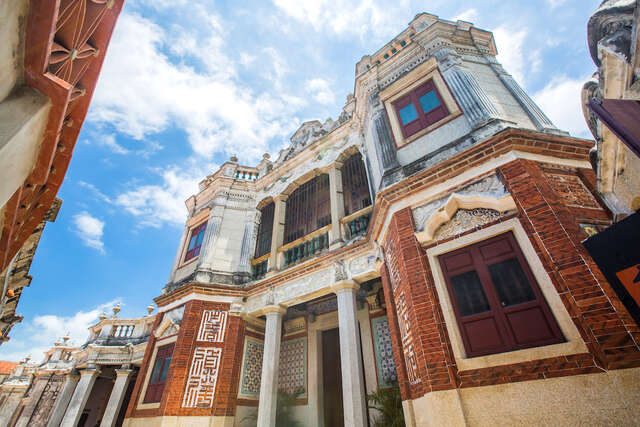
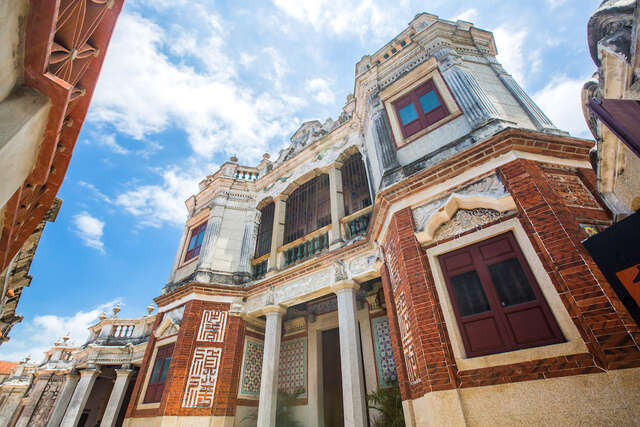
Image source: Taiwan_Opendata; license credits as shown.
Overview
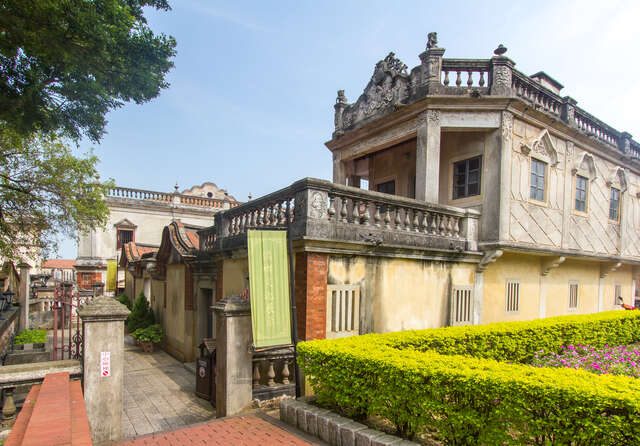
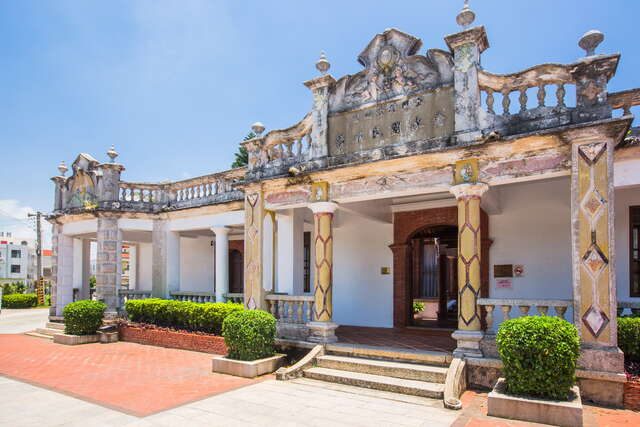
Among the western-style houses built by the Huang family in Shuitou, Huang Hui-Huang Western House is the most magnificent, as it includes the De Yue Building as part of its structure. The facade of the house features small lions and angel statues, while the rest includes mud sculptures of peacocks, scrolls, flowers, birds, elephants, butterflies, and the double dragons competing for pearls on the main beams, all crafted by artisans from Kinmen.
Highlights
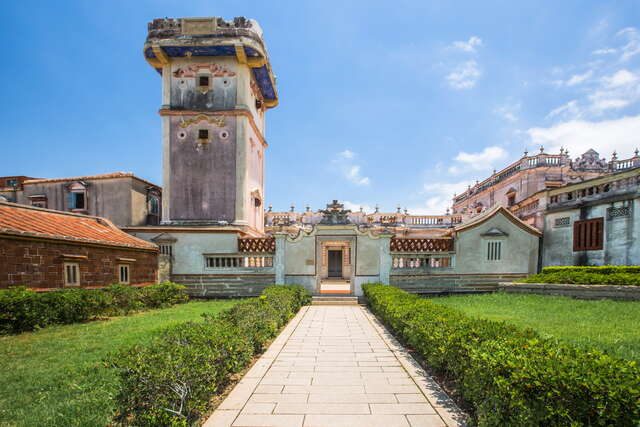
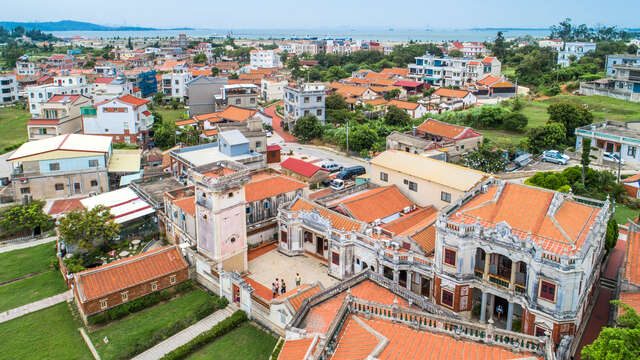
Huang Hui-Huang Western House is a highly representative overseas Chinese architectural building in the Shuitou settlement of Kinmen, forming a historical architectural group with defensive and residential functions alongside the De Yue Building. It was built in the 20th year of the Republic of China by Huang Hui-Huang, who returned from Indonesia after becoming wealthy, symbolizing the family spirit of 'prospering for future generations' and 'returning to one's roots.' Although it is not the largest western house in Kinmen, its facade is intricately decorated and is regarded as one of the representatives of the decorative arts that blend Chinese and Western styles in Kinmen. Visitors can closely examine the facade's mud sculptures, cut tiles, and brick carvings, experiencing the visual impact of intertwined Minnan, Southeast Asian, and Western elements, and learn about the historical stories of Kinmen's overseas Chinese through the exhibitions inside the house.
What to See
1. Main Building and Spatial Layout: Huang Hui-Huang Western House is a two-story, three-section western house facing south, with a courtyard in front and a protective dragon wall at the back. It consists of the main building, the De Yue Building, a guest house, and the front courtyard wall. The building uses high-quality materials and advanced construction techniques of the time, balancing comfort for living and defensive needs, typical of Kinmen's overseas Chinese architectural style. 2. Mud Sculptures and Cut Tile Art on the Facade: The facade of the western house is the biggest highlight, adorned with mud sculptures, cut tiles, brick carvings, and decorative tiles. Small lions and angel statues imported from Xiamen sit prominently, while other mud sculptures of peacocks, scrolls, flowers, birds, elephants, butterflies, crabs, and longevity peaches are crafted by Kinmen artisans, showcasing exquisite craftsmanship and diverse themes. 3. Double Dragons Competing for Pearls and Auspicious Beast Patterns: The cut tile depiction of double dragons competing for pearls on the main beams is a must-capture classic image for travelers, symbolizing power and good fortune. The facade and the gable also feature auspicious symbols such as phoenixes, eagles, double lions, grapes, pineapples, and pumpkins, combined with brick carvings of patterns like the swastika, double happiness, and the three stars of fortune, showcasing rich traditional cultural meanings. 4. Western Gable and Blended Elements: The gable features a clock, the inscription '20th Year of the Republic of China,' and Western angels and medals in relief, echoing the Minnan roof style, creating a rare Western gable landscape. The vase-shaped railings, trophy-shaped mud sculptures, and pebble-like stone walls also reflect the aesthetic influences of Southeast Asia and the West taking root in Kinmen at that time. 5. De Yue Building and Defensive System: The adjacent De Yue Building was originally a watchtower, forming a defensive architectural group with Huang Hui-Huang Western House, using its towering structure to monitor the surroundings and fend off bandits. Today, visitors can observe the relationship between the watchtower and the main building from the outside, understanding the dual considerations of the overseas Chinese houses for both a splendid facade and practical defense. 6. Indoor Exhibitions and Stories of Overseas Chinese: After renovations, the exhibitions inside have been updated to present the history of the Huang family’s journey of wealth in Southeast Asia and their remittances to build houses back home through images, artifacts, and multimedia. Visitors can learn about the culture of the Shuitou settlement, extending from personal family stories to the historical connections between Kinmen and Southeast Asia.
Travel Tips
Huang Hui-Huang Western House is suitable for visits year-round. It is recommended to arrange a walking route through the Shuitou settlement to fully experience the atmosphere of the ancient houses, western buildings, and alleyways. The best times for photographing the facade details are in the morning and afternoon when the light casts shadows, highlighting the three-dimensionality of the mud sculptures and cut tiles. Comfortable walking shoes are advised, as the surrounding area consists of stone-paved roads and steps, making walking safer and more enjoyable. There are many intricate decorations and ancient materials both inside and outside; please do not touch the sculptures or climb the railings during your visit to preserve cultural heritage. During the northeast monsoon or rainy days, the wind in the Shuitou settlement can be strong and the ground slippery, so it is advisable to prepare a light jacket and non-slip shoes. Allow ample time to visit both the De Yue Building and the nearby cultural exhibition space, as both the architectural details and storytelling are worth savoring. To avoid crowds, visiting on weekdays or avoiding consecutive holidays and peak seasons will provide a quieter experience.
FAQ
Q: Where is Huang Hui-Huang Western House located, and how can I plan my visit? A: Huang Hui-Huang Western House is located in the Shuitou settlement of Jincheng Township, Kinmen County, making it a core attraction that is easy to visit when exploring the historical settlement of Shuitou. Visitors can arrange to visit this site along with the De Yue Building, surrounding western houses, and ancient residences, typically walking through the settlement to slowly explore and photograph the red brick ancient houses, arcades, and western house facades, creating a representative cultural walking route in Kinmen. Q: Is there an entrance fee for Huang Hui-Huang Western House? What are the opening hours? A: Huang Hui-Huang Western House is currently a free attraction, providing a friendly entry option for travelers visiting Kinmen's western house culture. It is generally open during the day, but may not be open on certain dates such as Lunar New Year's Eve or announced holidays; if your schedule is tight, it is advisable to check the latest opening information before your visit to plan your itinerary accordingly. Q: What are the must-see highlights when visiting Huang Hui-Huang Western House? A: The most unmissable aspects of visiting Huang Hui-Huang Western House are the intricate mud sculptures and cut tile decorations on the facade, as well as the architectural group formed with the De Yue Building that blends Chinese and Western styles. It is recommended to observe slowly from the outside in, including the small lions and angel statues, peacocks, flowers, birds, elephants, butterflies, double dragons competing for pearls, and various auspicious patterns, then pay attention to the clock on the gable and the inscription '20th Year of the Republic of China,' before entering the house to learn about the historical background of overseas Chinese returning home to build houses through the exhibitions. Q: Is Huang Hui-Huang Western House suitable for visiting with children or elderly people? A: Huang Hui-Huang Western House is very suitable for visiting with children and elderly people, as it features visually rich architectural decorations and provides insights into the history of overseas Chinese through guided tours and exhibitions. Just be mindful that some areas have steps and stone-paved paths, so ensure the safety of elderly visitors and children while walking, and remind children not to run or touch the delicate mud sculptures and cut tiles to avoid injury or damage to the heritage site.