Dabei Temple
China · 鴻順里街道 · Temples & Shrines
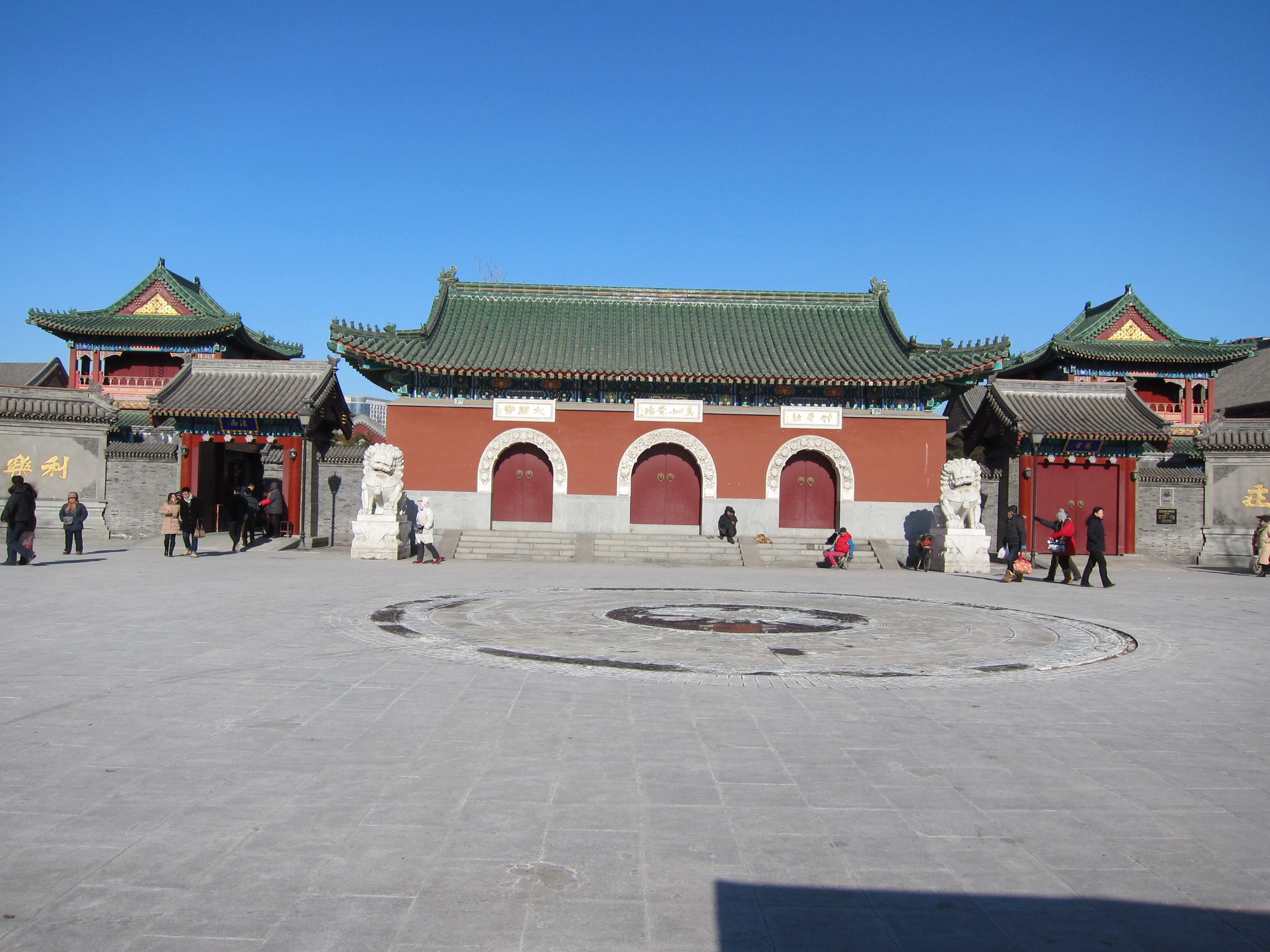
Image source: Wikimedia Commons; license credits as shown.
Overview
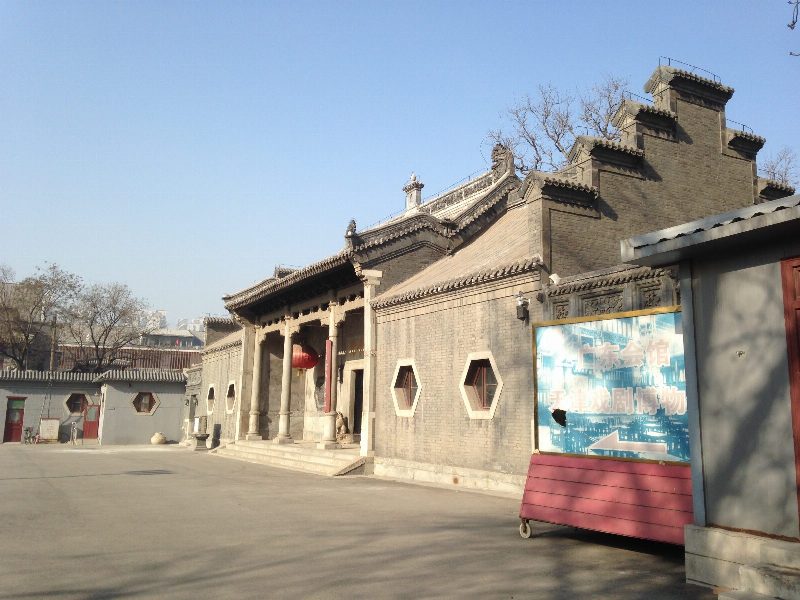
Dabei Temple is the largest and oldest Buddhist temple in Tianjin, located at 40 Tianwei Road, Hongshunli Street, Hebei District, Tianjin. It is near the Haihe River and the 'Tianjin Eye' Ferris wheel, making it a significant religious and cultural landmark in the city. The temple is believed to have been established during the Ming Dynasty and was funded for construction and reconstruction by Tianjin's military governor, Cao Bin, during the Shunzhi and Kangxi periods of the Qing Dynasty. It is now a key national temple and a cultural heritage site in Tianjin, attracting many devotees and tourists for worship and sightseeing.
Getting There
The most convenient way to reach Dabei Temple is to take the Tianjin Metro to a station closer to the Haihe River and Hebei District, then walk or transfer to a bus, and walk about 10 minutes along Tianwei Road to reach the temple's main gate at 40 Tianwei Road. You can also take a city bus to 'Dabei Temple' or get off at a nearby stop and walk there, combining your visit with a walking or cycling route along the banks of the Haihe River and attractions like the 'Tianjin Eye'.
Highlights
The most distinctive feature of Dabei Temple is that it is currently the only Buddhist temple in Tianjin that serves as a Sangha temple, with a grand scale and thriving incense offerings, preserving the layout of a modern urban temple. The temple has a rigorous layout with east and west courtyards, housing precious Buddhist statues such as the ancient bronze gilded Shakyamuni statue on a lotus pedestal from the Ming Dynasty and a jade Shakyamuni statue. It also features memorial halls for Master Xuanzang and Master Hongyi, embodying both religious faith and historical cultural value. As a cultural heritage site in Tianjin and one of the key Buddhist temples in Han Chinese regions, the temple environment is serene and tidy, with numerous stone tablets and plaques, making it suitable for quiet worship and understanding the local history of Buddhism in Tianjin.
What to See
The Mahavira Hall is the core building of Dabei Temple, housing a 5.2-meter tall ancient bronze gilded Shakyamuni statue on a lotus pedestal weighing about 6 tons, with 9,999 small bronze Buddhas cast on it, making it the most representative artifact and artistic treasure of the temple. The Heavenly Kings Hall is located at the front of the central axis inside the main gate, enshrining the Four Heavenly Kings and Maitreya Bodhisattva, serving as the first stop for devotees entering the temple to worship, showcasing the typical layout of traditional temples. The Great Compassion Hall enshrines Avalokiteshvara Bodhisattva, which is the core of the temple's faith named 'Great Compassion', with a strong incense offering, where many devotees come to pray for peace, health, and family harmony. The Ksitigarbha Hall enshrines Ksitigarbha Bodhisattva, in conjunction with memorial services and remembrance ceremonies, reflecting the emphasis of Chinese Buddhism on salvation and filial piety. The east courtyard features memorial halls for Master Xuanzang and Master Hongyi, displaying the life stories and relics of the two eminent monks, providing visitors with a window to understand Buddhist culture and Sino-Japanese Buddhist exchanges. The west courtyard is relatively quiet, housing the chanting hall, the abbot's room, and the Tianjin Buddhist Association's office, creating a more secluded atmosphere suitable for travelers looking to briefly escape the city's hustle and bustle.
Hours & Admission
Dabei Temple is generally open to the public, with regular opening hours typically from around 9:00 AM to 4:30 PM daily, allowing visitors to enter for worship and sightseeing during the daytime. Specific opening hours and the schedule for ceremonies and events may vary by season and temple activities, so it is recommended to check local travel information or call the temple to confirm before your visit to avoid encountering temporary closures or restrictions on visiting certain areas during large ceremonies. Most of the time, entry to the temple only requires a low-priced ticket or a voluntary donation, and some halls may have donation boxes encouraging visitors to contribute to the temple's daily operations and maintenance.
Address
40 Tianwei Road, Hongshunli Street, Hebei District, Tianjin, China, Dabei Temple
Travel Tips
The best time to visit Dabei Temple is usually during the spring and autumn seasons when the weather is cooler and more pleasant, ideal for strolling and taking photos in the temple and along the Haihe River. In the summer, the midday sun can be intense, so it is recommended to visit in the morning or evening for a more comfortable experience. As the temple is a Buddhist monastery, it is advisable to dress modestly when entering the halls, avoiding overly short clothing, and to maintain silence, refraining from loud talking or running around while taking photos. When worshiping, follow the guidance of the temple's monks and staff for rituals and incense offerings. Before photographing statues and details inside the halls, it is advisable to check for signs at the hall entrance or ask staff, as some areas may prohibit or restrict photography to respect religious etiquette and the feelings of other devotees. Dabei Temple is close to the Haihe River, the Tianjin Eye Ferris wheel, and the old city style area, allowing for a half-day to full-day walking route that combines worship, riverside views, and experiences of modern urban neighborhoods. There are several hotels and guesthouses nearby, including a guesthouse named after 'Dabei Temple', which is very convenient for travelers planning to visit the temple multiple times in the early morning or evening for worship.
Nearby Dining
The area around Dabei Temple is a mature neighborhood in Hebei District, with many local restaurants, snack shops, and tea and coffee shops within walking distance, where you can find food and rest before or after worship, tasting local home-cooked dishes and noodles. Although the temple primarily serves as a space for Buddhist activities and may not offer an open vegetarian restaurant, you can often find simple vegetarian or customizable Chinese restaurants on nearby streets, making it convenient for devotees and vegetarians to dine. If you plan to stay at the temple for a longer period, it is advisable to buy simple drinks and snacks outside the temple first and be mindful not to bring strong-smelling or unclean food into the halls and offering areas to maintain a clean environment and respect the religious space.
FAQ
Q: Where is Dabei Temple? How do I get there? A: Dabei Temple is located at 40 Tianwei Road, Hongshunli Street, Hebei District, Tianjin, near the Haihe River and city attractions. You can take the metro or bus to Hebei District and walk about 10 minutes to reach the temple's main gate. It is recommended to first arrive at a metro station close to the Haihe River and Hebei District, then follow signs or use a mobile map to walk there, or take a bus marked 'Dabei Temple' or along Tianwei Road and get off at a nearby stop to walk to the temple. Q: What are the opening hours of Dabei Temple? A: Dabei Temple is generally open to the public during the day, with common visiting hours from 9:00 AM to 4:30 PM, but actual times may vary by season and ceremonies. To avoid encountering temporary closures or restrictions during large ceremonies, it is advisable to check local travel information platforms or call to confirm the opening situation and areas available for visiting on the day of your visit. Q: Is there an admission fee to enter Dabei Temple? A: Generally, entry to Dabei Temple usually requires purchasing a low-priced ticket or entering with a voluntary donation, with specific amounts and policies varying by temple management and time period. Most visitors report that there is no enforced high fee, and it is more about encouraging devotees and travelers to contribute voluntarily to maintain the temple's buildings, statues, and daily operations, so it is advisable to bring a small amount of cash for incense offerings and donations. Q: What are the must-see attractions and statues at Dabei Temple? A: Must-see highlights at Dabei Temple include the ancient bronze gilded Shakyamuni statue on a lotus pedestal, which is about 5.2 meters tall and weighs about 6 tons, with 9,999 small Buddhas cast on it, as well as the jade Shakyamuni statue donated by a Singaporean layperson in front of the hall. Additionally, the Great Compassion Hall enshrining Avalokiteshvara Bodhisattva, the Ksitigarbha Hall, the Heavenly Kings Hall, and the memorial halls for Master Xuanzang and Master Hongyi are all worth visiting, while the west courtyard's chanting hall and Buddhist Association office present a more tranquil atmosphere for monastic practice. Q: Can I take photos and videos at Dabei Temple? A: Most outdoor courtyards and building exteriors at Dabei Temple generally allow photography, but some areas inside the halls and directly in front of statues may restrict or prohibit photography, so it is important to follow on-site signs and the instructions of the monks. It is advisable to check for 'no photography' signs before entering the main hall or approaching the main statue, or politely ask staff, and to keep quiet and avoid using flash when taking photos to respect the religious space and other worshippers. Q: What other attractions are nearby that I can visit together with Dabei Temple? A: Dabei Temple is close to the Haihe River and the 'Tianjin Eye' Ferris wheel, among other popular attractions, allowing for a walking route along the river before or after worship, enjoying riverside scenery and the city skyline. This area is also near the old city style district and several modern architectural clusters, making it suitable for combining walking or cycling routes to experience religious culture, riverside views, and old city streets all at once.