Tianjin Drum Tower
China · Gulou Subdistrict · Landmarks
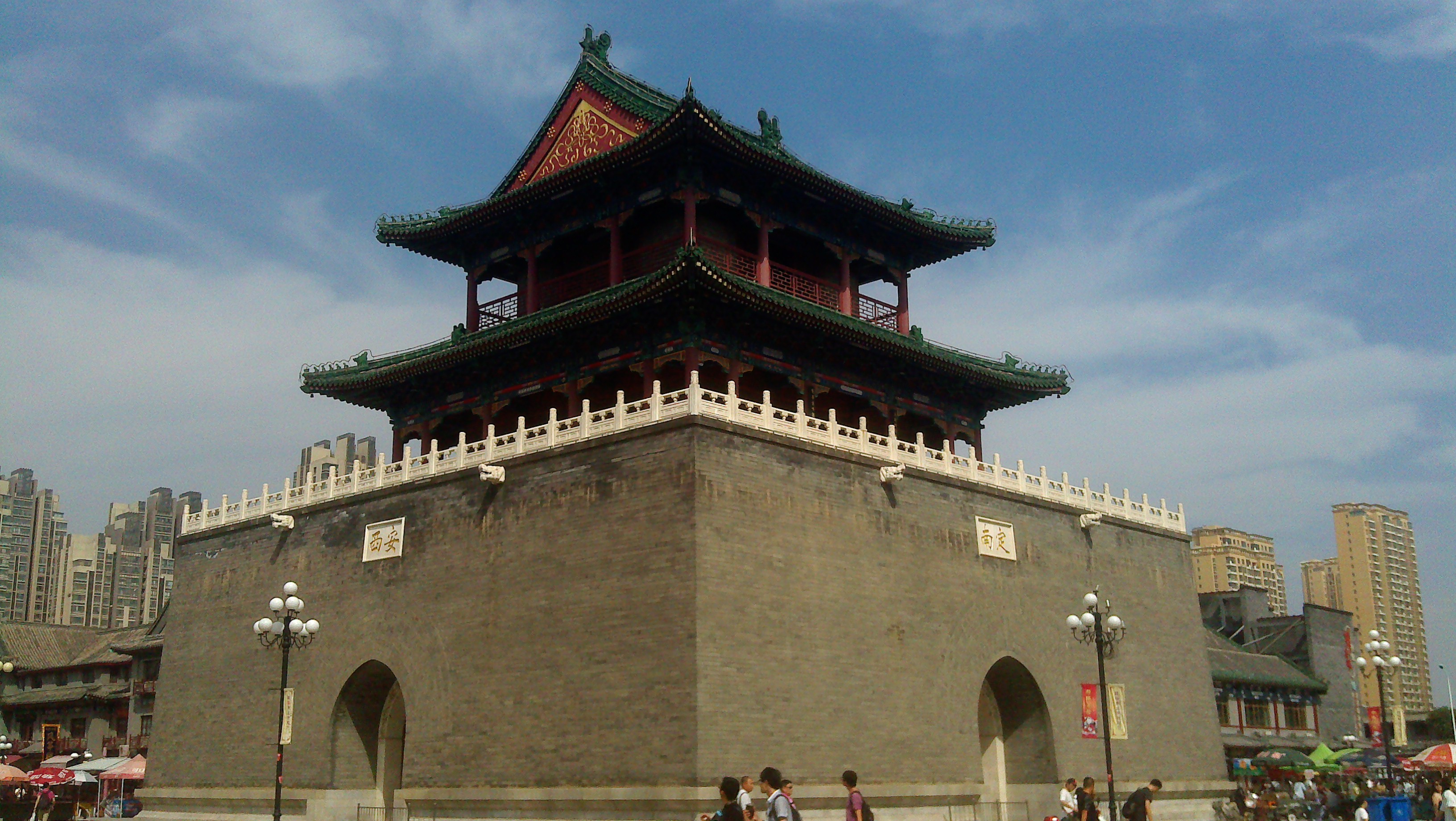
Image source: Wikimedia Commons; license credits as shown.
Overview
The Tianjin Drum Tower is located in the Nankai District of Tianjin's old city, and it is one of the important landmarks of Tianjin. It is often regarded as a representative site for understanding the origins and historical context of the city. The current structure is a three-story building that was rebuilt, surrounded by Drum Tower Commercial Street and several old city attractions, making it suitable for a cultural stroll combined with urban sightseeing.
Getting There
You can take the subway or bus to the 'Drum Tower' station and walk to the site; multiple bus routes go directly to the Drum Tower station or Drum Tower Commercial Street station.
Highlights
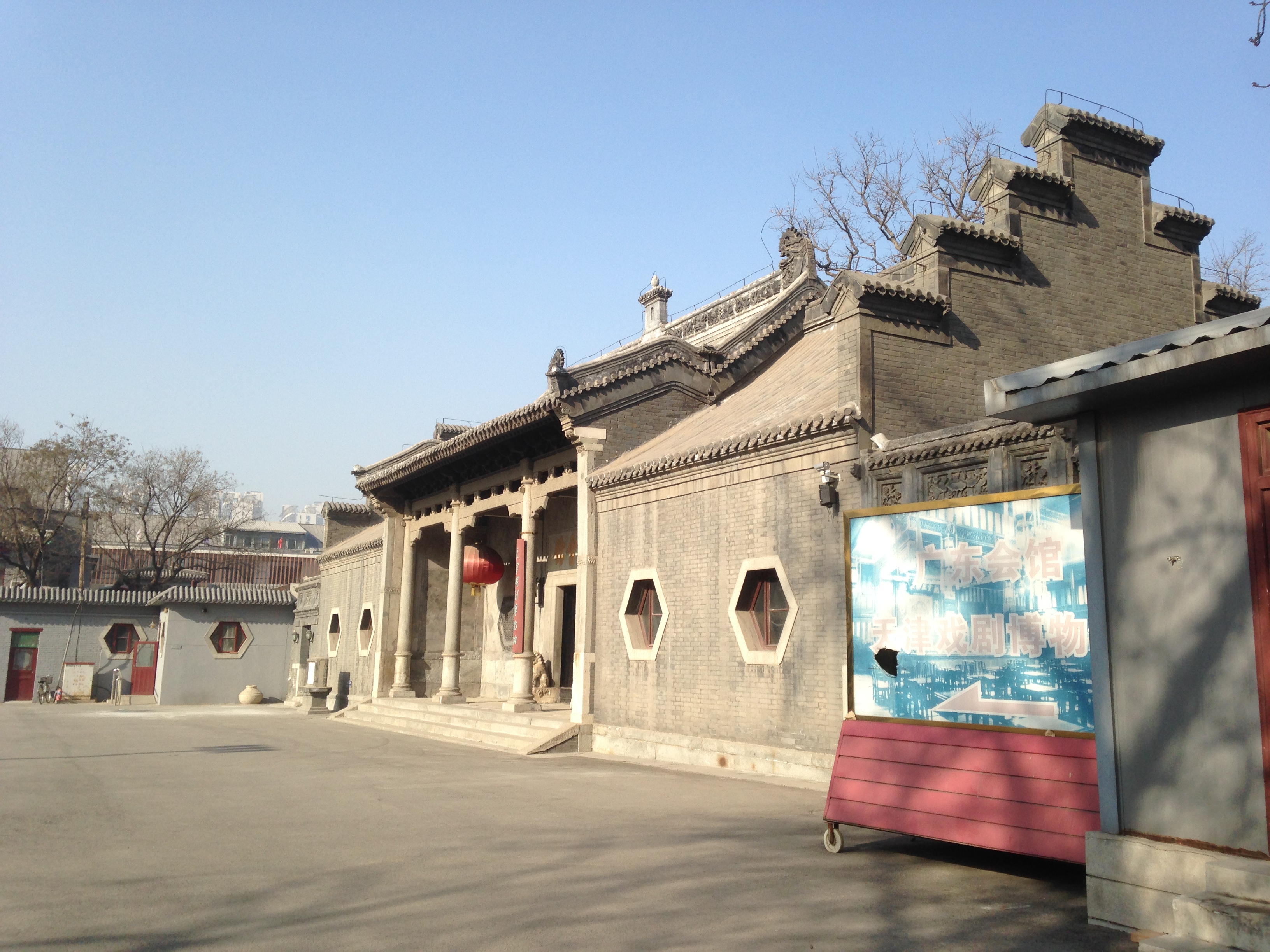
One of the 'Three Treasures of Tianjin', it embodies the imagery of both the Drum Tower and the Bell Tower, serving as a cultural symbol of the old city of Tianjin. The rebuilt tower stands three stories high, with an exterior resembling the wooden architecture of the Ming and Qing dynasties, featuring traditional architectural elements such as a double-eaved hip roof, flying eaves, and colorful paintings. Inside the tower, you can see a giant bell weighing about 1500 kilograms, often referred to as the 'King of Bells' in Tianjin. Surrounding the tower are Drum Tower Commercial Street and the old city cultural area, where you can also visit attractions like the Ancient Culture Street, Tianhou Temple, and Guangdong Guild Hall.
What to See
Main Structure: A three-story building with arched doorways on all four sides, connecting the streets to the east, west, south, and north. Giant Bell: Located on the second floor of the tower, it is one of the main highlights for visitors. Drum Tower Square: Often hosts folk, intangible cultural heritage, and urban cultural exhibitions. Drum Tower Commercial Street: A pedestrian area featuring Ming and Qing style streets with dining, shopping, and cultural creativity.
Hours & Admission
Opening hours are generally from 09:00 to 16:00. Ticket information varies across different platforms, with some indicating free admission and others listing various ticket prices, so it is advisable to check the latest announcements or official information before visiting.
Address
Drum Tower, Zhongxiang Middle Road, Nankai District, Tianjin (near Drum Tower North Street).
Travel Tips
If you want to capture the cityscape, consider visiting during the day; at night, the lighting and surrounding street scenes create a more atmospheric experience. The area around the Drum Tower is densely packed with old city attractions, so it is recommended to allocate more than half a day to include visits to the Ancient Culture Street, Tianhou Temple, and others. The commercial street focuses on snacks and souvenirs, making it suitable for leisurely strolling and eating, as well as convenient for replenishing water and resting.
Nearby Dining
There are several Tianjin snack and dining establishments within Drum Tower Commercial Street, perfect for tasting local flavors like jianbing guozi and baozi. You can also find tea houses and casual dining spots in the surrounding old city area, serving as good rest stops.
FAQ
What is the Tianjin Drum Tower? The Tianjin Drum Tower is a historical landmark located in the old city of Tianjin, and the existing structure is a three-story bell tower-style building that was rebuilt. Is there an admission fee for the Tianjin Drum Tower? Some sources indicate that it can be visited for free, but other platforms list different ticket prices, so it is best to refer to on-site announcements and the latest official information. How to get to the Tianjin Drum Tower? You can take the subway or bus to the Drum Tower station and then walk to the site, making transportation quite convenient. What else can I visit near the Tianjin Drum Tower? You can also explore Drum Tower Commercial Street, Ancient Culture Street, Tianhou Temple, and Guangdong Guild Hall among other old city attractions.