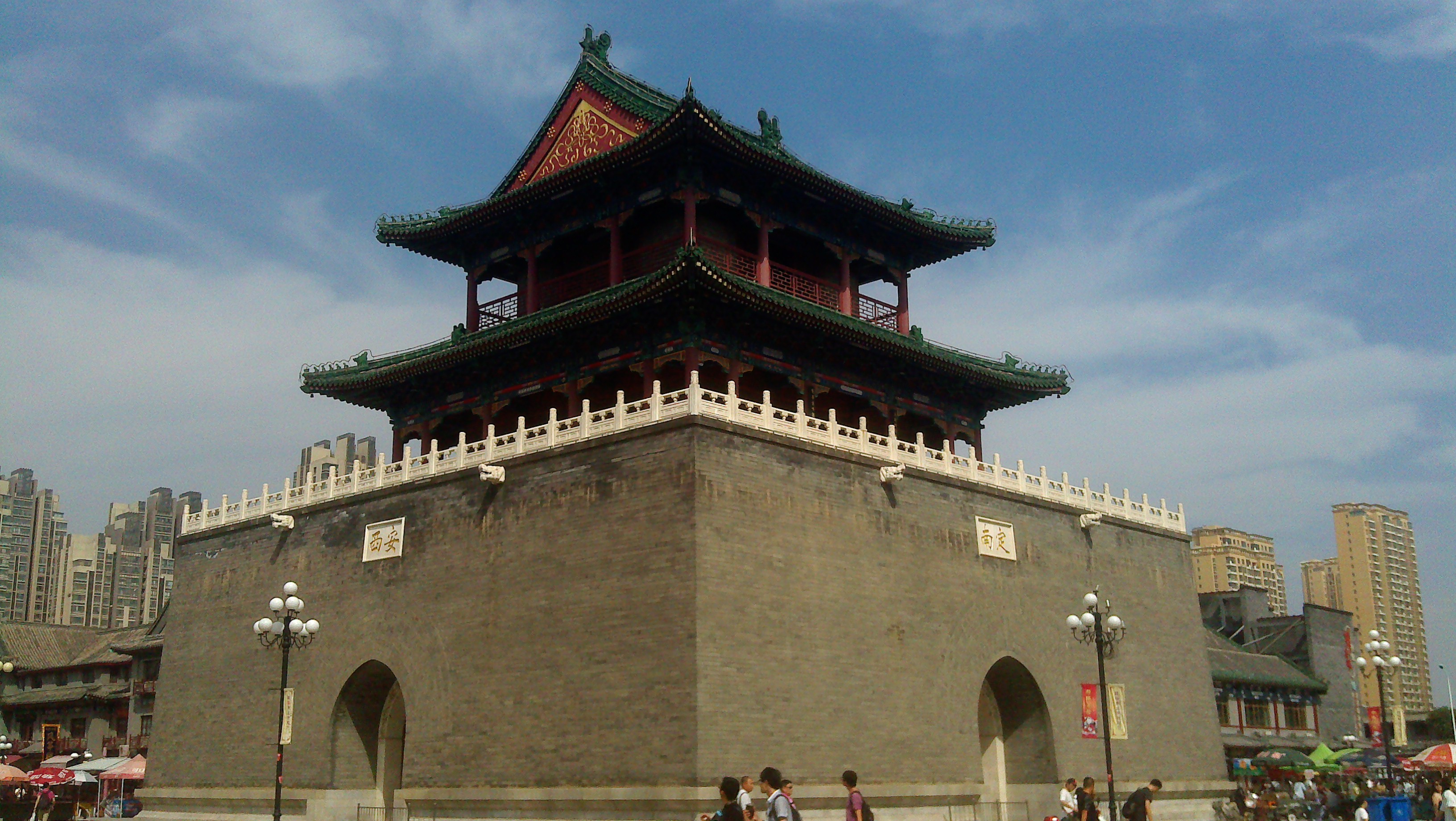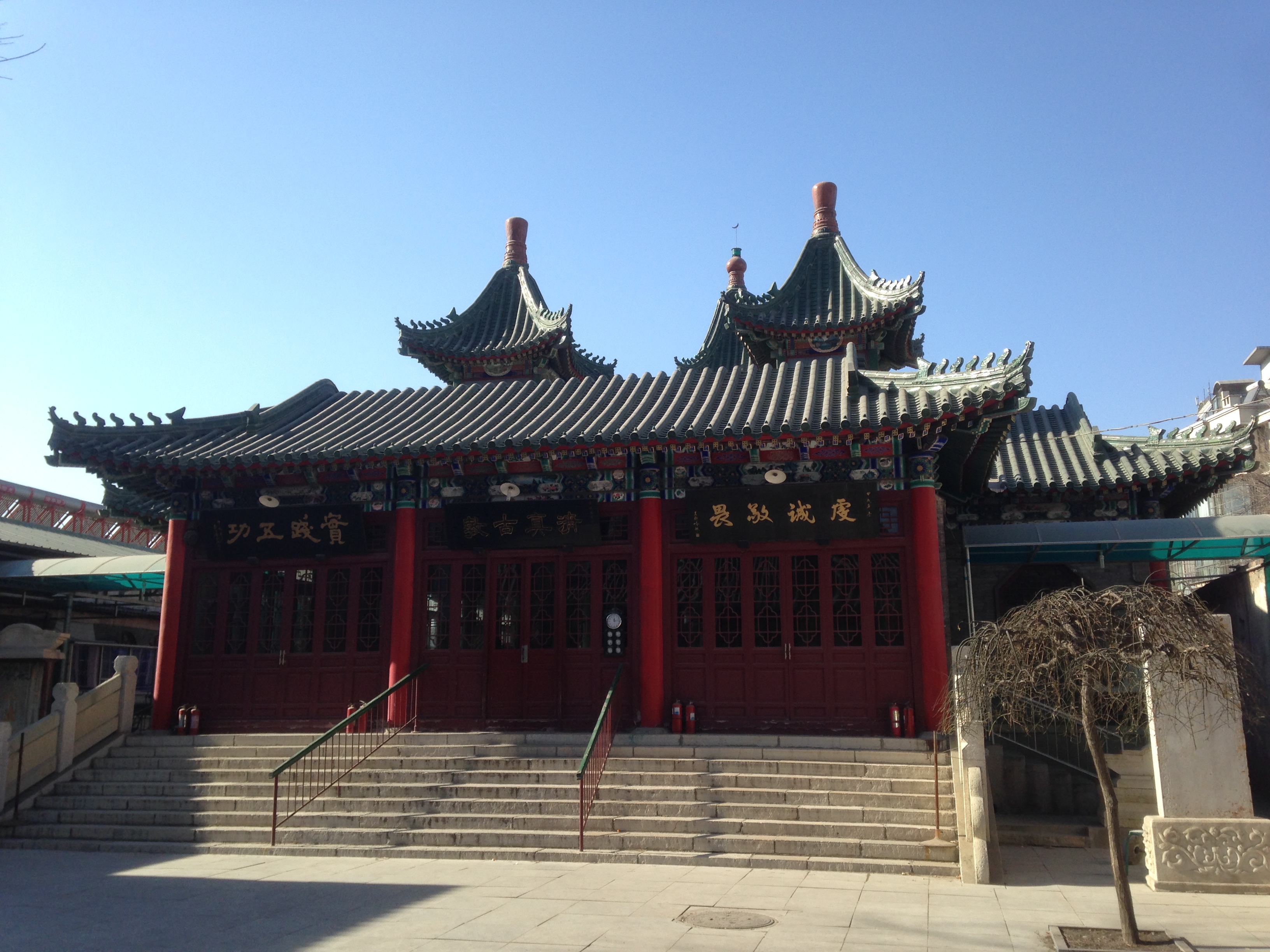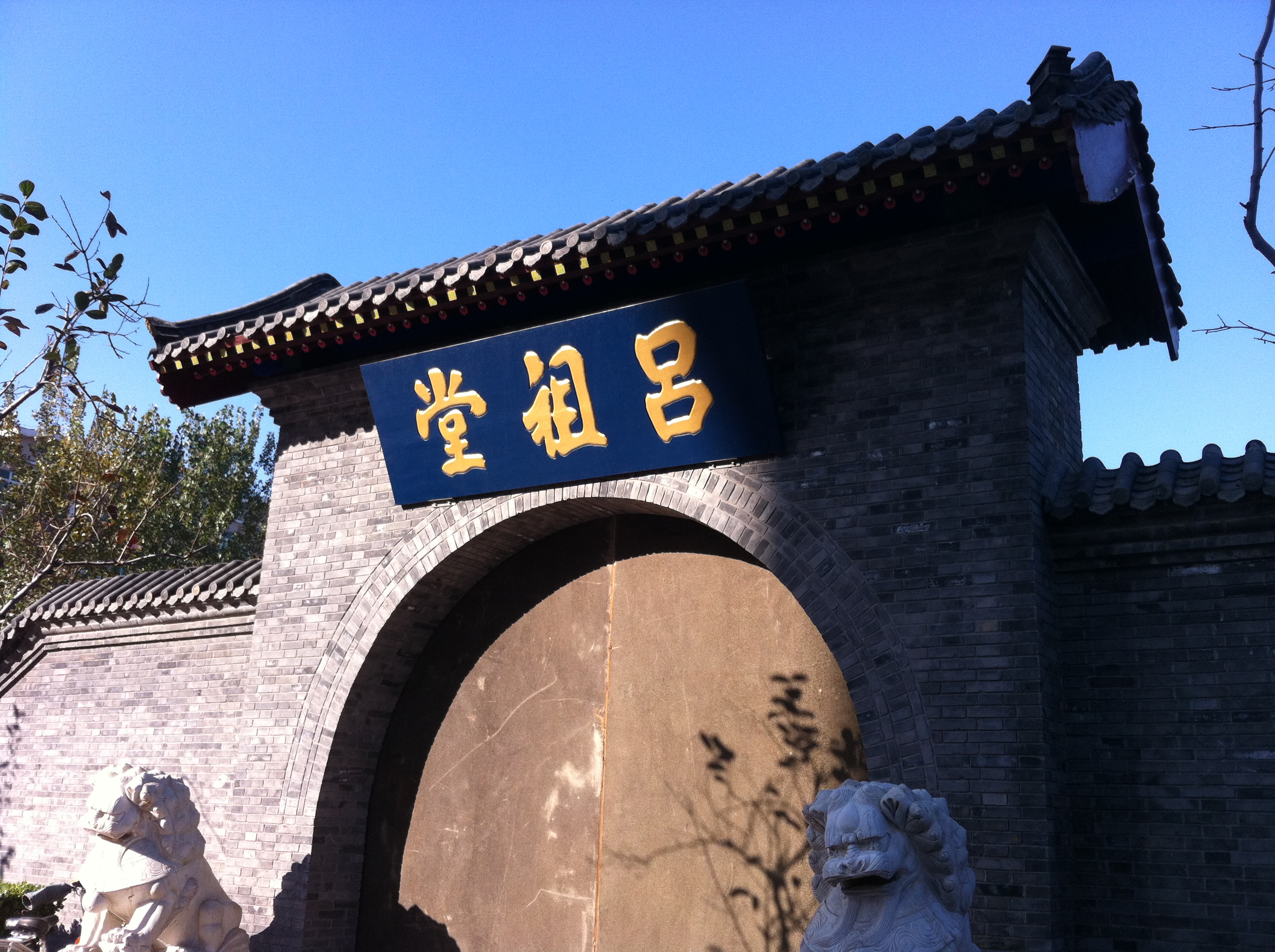
Tianjin Guangdong Guild Hall
China · Gulou Subdistrict · Landmarks
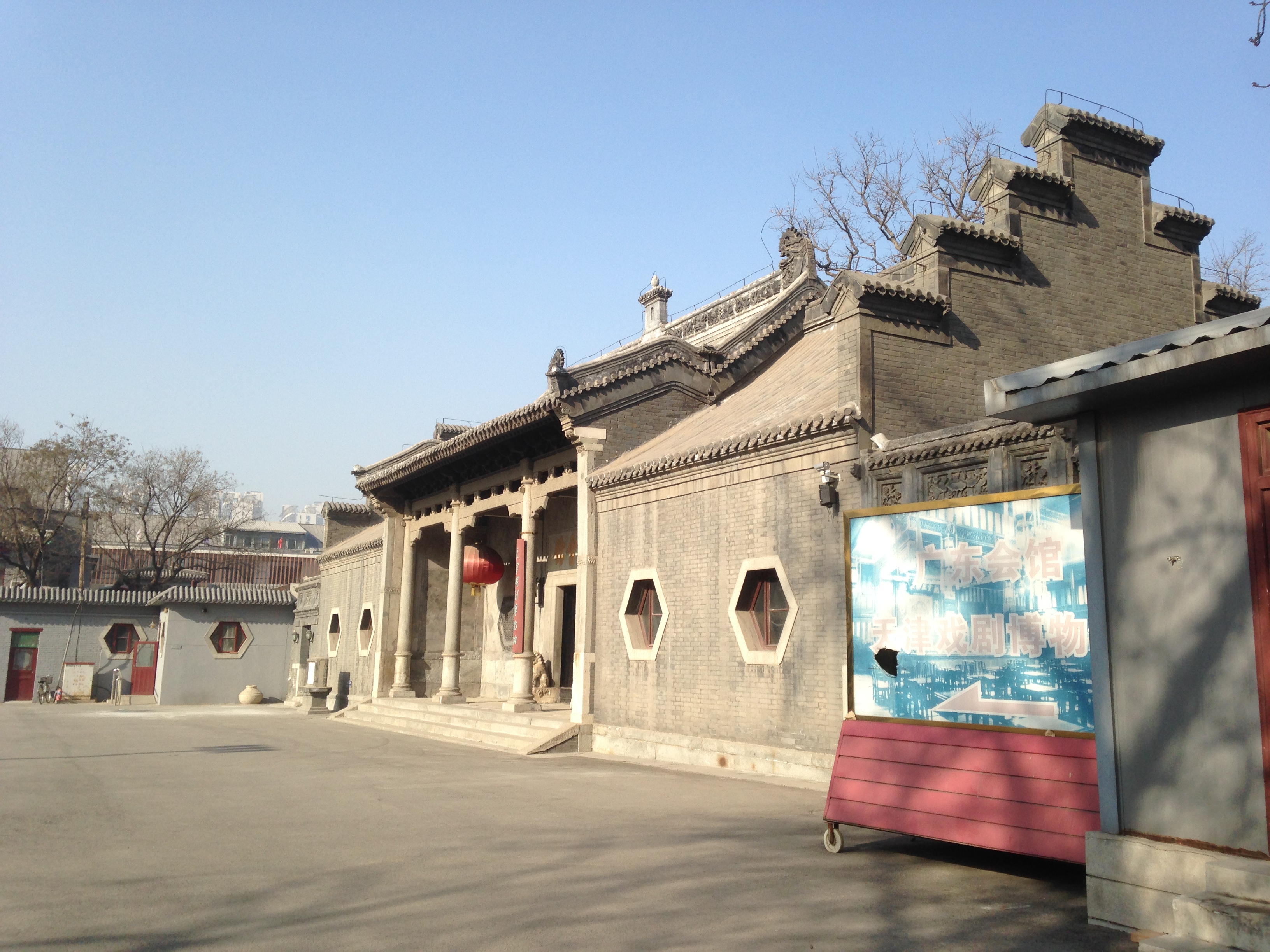
Image source: Wikimedia Commons; license credits as shown.
Overview
The Tianjin Guangdong Guild Hall is located at No. 31, Nanmenli Street, Gulou Street, Nankai District, Tianjin. Established in 1907, it is one of the largest and most well-preserved Qing Dynasty guild hall buildings in Tianjin and is now the Tianjin Drama Museum. This building combines Lingnan architectural style with the northern courtyard layout and was an important venue for gatherings of Guangdong compatriots, business negotiations, and opera performances, also witnessing the history of modern revolutionary activities in Tianjin.
Getting There
You can take the Tianjin Metro to the Gulou area and walk there. It is about a 10-minute walk from the Gulou shopping district; you can also take a bus to the stops near Nanmenli Street and Gulou and then walk to the venue.
Highlights
One of the largest and most well-preserved Qing Dynasty guild hall buildings in Tianjin. A combination of Lingnan architecture and northern courtyard layout, featuring blue brick facades, Luohan gables, and exquisite brick and wood carvings as the main highlights. Once a gathering place for Guangdong compatriots and a venue for opera performances, it also witnessed the history of modern revolution and labor movements in Tianjin. Now the Tianjin Drama Museum, it holds historical, architectural, and cultural value related to opera.
What to See
Main Theater: The core building of the guild hall, an important space for opera performances and cultural activities. Courtyard: Composed of gates, halls, and side rooms, showcasing the traditional guild hall layout. Luohan Gables and Blue Brick Facade: Reflecting the characteristics of Lingnan architecture, also a key photo spot. Brick and Wood Carvings: Important rooms and window details are well-preserved, suitable for close observation.
Hours & Admission
Generally free or low admission fees, subject to on-site announcements. Opening hours may vary according to museum arrangements and events, so it is recommended to check for the latest notices before visiting; there may be temporary changes during holidays, performances, and maintenance periods.
Address
No. 31, Nanmenli Street, Gulou Street, Nankai District, Tianjin.
Travel Tips
Spring and autumn are more comfortable, suitable for a half-day tour combined with the Gulou and Ancient Culture Street areas. If you want to see the interior of the theater and exhibition content, it is advisable to avoid temporary closures or event times. The surrounding area has mature living facilities, with convenient dining, convenience stores, and transportation, making it suitable for a visit to the old city of Tianjin. There are many architectural details inside and outside the hall, so it is recommended to bring a camera and take your time exploring.
Nearby Dining
There are many local snack and tea shops around the Gulou shopping district, convenient for dining on the way. The Ancient Culture Street area has more restaurants featuring Tianjin specialties, suitable for dining after visiting. There are chain coffee shops and casual dining places around Nanmenli Street, convenient for a short break.
FAQ
Q: What is the Tianjin Guangdong Guild Hall? A: The Tianjin Guangdong Guild Hall is a Qing Dynasty guild hall building established in 1907, now serving as the Tianjin Drama Museum. Q: Where is the Tianjin Guangdong Guild Hall located? A: The Tianjin Guangdong Guild Hall is located at No. 31, Nanmenli Street, Gulou Street, Nankai District, Tianjin. Q: What are the highlights of the Tianjin Guangdong Guild Hall? A: The highlights of the Tianjin Guangdong Guild Hall include its Lingnan-style architecture, theater space, courtyard layout, and cultural value related to opera and modern revolutionary history. Q: How long should I plan to visit the Tianjin Guangdong Guild Hall? A: Generally, you can plan to spend about 1 to 1.5 hours visiting the Tianjin Guangdong Guild Hall; if you are also viewing exhibitions or waiting for performances, you may want to allow more time.