Donglin East Well
Taiwan · Kinmen County · 烈嶼鄉 · Historic Sites
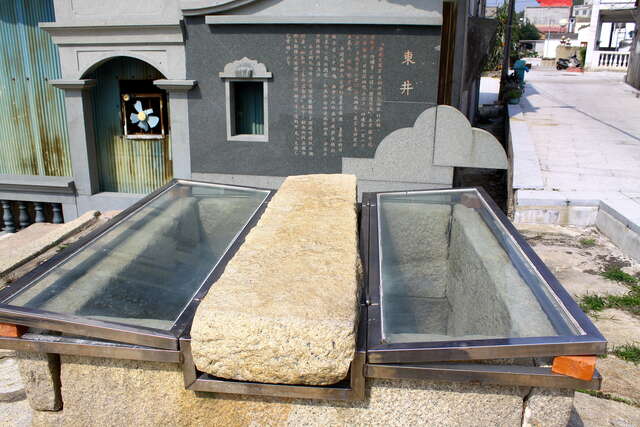
Image source: Taiwan_Opendata; license credits as shown.
Overview
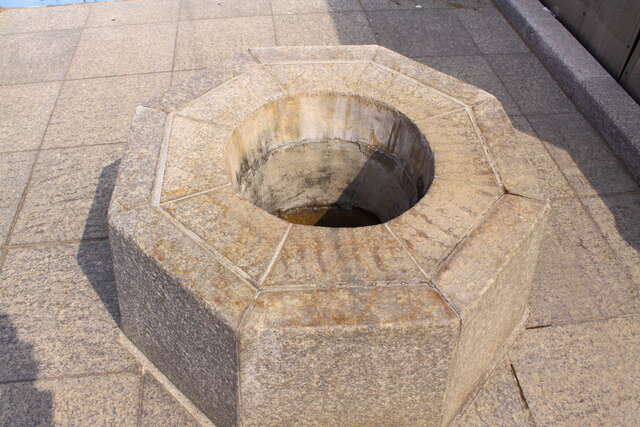
The Donglin East Well in Donglin Settlement, Lieyu Township, was excavated in 1204 during the Song dynasty by Lin Yanzhi and has a history of more than 800 years. It is the largest ancient well in Kinmen and is notable for its unusual construction. In 2004, as part of rural redevelopment, steps and a granite-paved surface were added around the well, and an stainless-steel protective frame and transparent glass were installed above it. It is designated as a county-level historic site.
Highlights
Donglin East Well is an ancient well excavated in 1204, during the Southern Song dynasty, and has more than 800 years of history. It is also one of the largest and rarest traditional wells in Kinmen. Built with granite, the square well platform has a distinctive structure that reflects both everyday life and the historical development of the settlement. It has been designated as a Kinmen County historic site, and the current protective facilities and walkway make it easy for visitors to view up close.
What to See
Admire the Song-dynasty inscriptions and stone carving on the wellhead: the north side of the well curb is engraved with the clerical-script inscription "Jiatai jiayin spring, Lin Yanzhi donated," and the south side bears "Dageng yisi repaired," clearly recording the dates of the original Southern Song excavation and later Yuan-dynasty restoration. These inscriptions are well preserved and are worth examining closely for their calligraphy and stone-carving technique. Observe the distinctive well opening and platform structure: the well opening is square, with an inner edge measuring about 130 centimeters, and the opening and the surrounding curb are almost the same size, making it particularly prominent among similar ancient wells in Kinmen. The square platform is built in four tiers, and the top layer is arranged with stone slabs radiating outward from the opening, a design often interpreted as symbolizing the 24 solar terms. It is one of the most recognizable features of Donglin East Well. Experience the settlement's daily life and beliefs: for a long time, the East Well served as the main water source for Donglin residents, with clear and sweet water that supported everyday life and the settlement's survival. Walking through the surrounding traditional homes and lanes, visitors can imagine the scenes of villagers drawing water and chatting together, and feel the cultural atmosphere of Lieyu's overseas Chinese community and clan-based settlement. Experience the renovated walkway and protective features: under the rural redevelopment project, granite paving and steps were added around the ancient well, and a stainless-steel guard frame with transparent glass was installed at the opening. This preserves the view into the well while improving safety. Visitors can stand on the transparent glass to observe the interior structure of the well and take photos easily.
Address
No. 664, Donglin Section, Lieyu Township, Kinmen County 894 Phone: (08) 2362500
Travel Tips
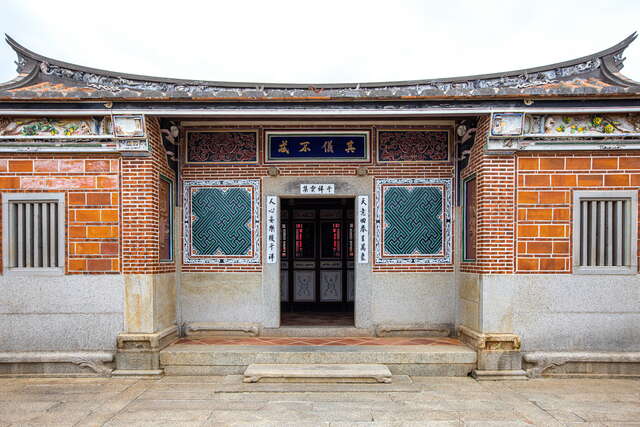
It is recommended to include Donglin East Well in a half-day or full-day trip to Lieyu (Little Kinmen), together with Donglin Settlement, battlefield relics, and coastal sights, so you can experience both natural scenery and settlement culture. A visit on a clear day with strong sunlight is recommended, as the stone patterns and inscriptions on the platform appear more clearly and the site is better for photography. On rainy days, the stone slabs can become slippery, so please slow down and pay attention to safety on the steps and around the well platform. The East Well is currently preserved and displayed as a cultural asset and is no longer used as a source of drinking water. Please do not draw water or throw objects into the well when visiting, so as to protect the historic site and keep the water clean. The surrounding area is a traditional settlement and a living residential space, so please remain quiet and courteous when taking photos or moving around, and avoid disturbing local residents. It is also worth paying attention to the settlement's lanes, traditional house gate towers, and ancestral hall architecture. In summer, the sun is strong and the granite surface can reflect heat, so it is advisable to bring a sun hat, sunscreen, and drinking water. In winter, when the northeast monsoon is blowing, it can feel cool, so a light jacket will help keep you comfortable.
FAQ
Q:What is special about Donglin East Well? A:The most special feature of Donglin East Well is that it was first excavated in 1204 during the Song dynasty and has a history of more than 800 years. Its large square opening and radiating stone slabs on the platform form a unique well structure. The well curb preserves complete inscriptions from the Southern Song and Yuan dynasties, giving it historical, architectural, and settlement-life value. It has therefore been designated a county-level historic site and is an important place for understanding the development of Lieyu settlements. Q:What can visitors do at Donglin East Well? A:Visitors can closely observe the Song-dynasty inscriptions and the stone-built well curb, appreciate the radiating stone platform and the well interior beneath the protective glass, and walk up and down the surrounding steps and paths to photograph the well and settlement scenery from different angles. Travelers can also stroll through the settlement lanes, imagine the early residents drawing water in relation to the well's age, and deepen their understanding of Lieyu's history and water culture. Q:Can water still be drawn from Donglin East Well or drunk? A:Donglin East Well is currently preserved and displayed mainly as a cultural heritage site, and it is no longer used as an everyday drinking water source. Visitors are not advised to draw water or drink from it. Although the well water was once known for being clear and sweet, modern groundwater conditions and heritage conservation mean that it is generally intended only for viewing and study. Visitors should observe and take photos from a distance to avoid damaging the well structure and water quality. Q:Is transportation to Donglin East Well convenient? A:Donglin East Well is located in Donglin Settlement, Lieyu Township. For travelers who have already arrived in Lieyu (Little Kinmen), access is relatively convenient, and the site can be reached on foot or by car using local signs or map guidance. The settlement roads are mostly local roads and small lanes, so it is recommended to drive slowly, be careful when passing other vehicles, and respect neighborhood parking rules. If arriving on foot, you can also enjoy the settlement scenery along the way as part of a deeper walking route through Lieyu communities.