Hibiya Shrine
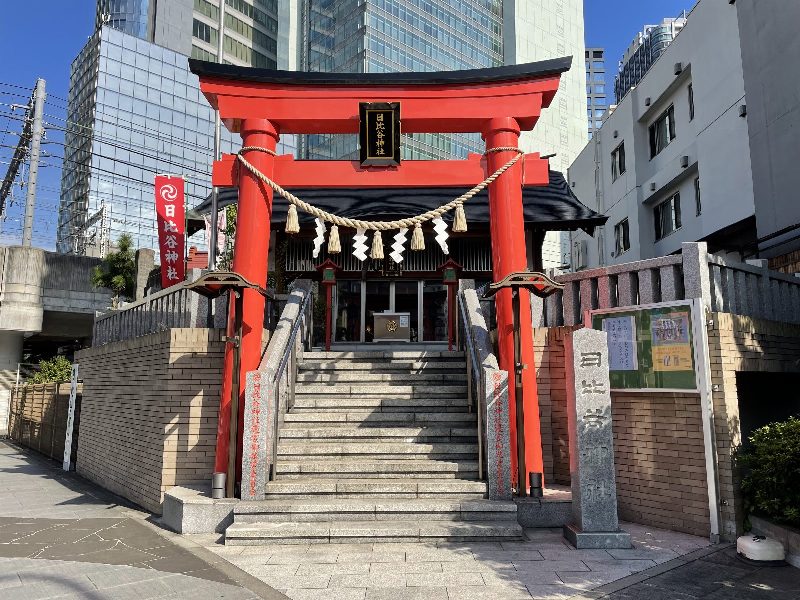
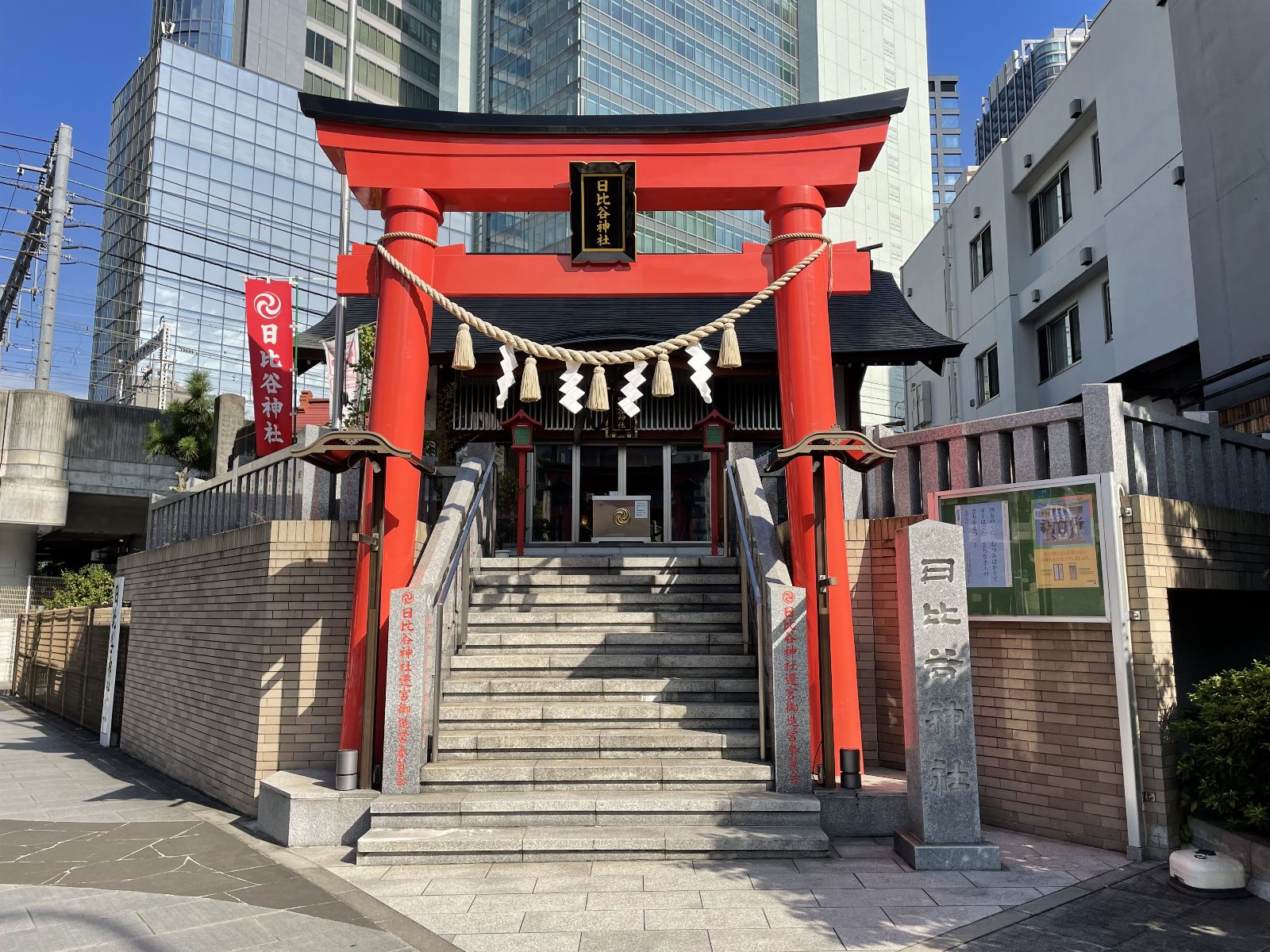
Image source: Wikimedia Commons; license credits as shown.
Overview
Hibiya Shrine is located in the Minato ward of Tokyo, nestled between the skyscrapers and elevated railways of the Shiodome and Shinbashi areas. It is a rare small shrine in the city center. This shrine is famous for enshrining Toyouke-ōmikami and the four deities of purification, attracting visitors who seek blessings for health, business safety, and even 'prevention of cavities.'
Getting There
You can take the Yurikamome Line to Shiodome Station and walk about 3 minutes, or walk about 5 minutes from JR Shinbashi Station; some sources also indicate that it is about an 8-minute walk from JR Hamamatsucho Station or Toei Oedo Line Daimon Station.
Highlights
Located in Tokyo's core business district, surrounded by office buildings and elevated railways, creating a strong urban shrine landscape. Famous for enshrining Toyouke-ōmikami of Ise Jingu Geku and the four deities of purification, focusing on health, purification, and business-related prayers. The folk belief in 'prevention of cavities' also attracts travelers wanting to experience local faith culture in Tokyo.
What to See
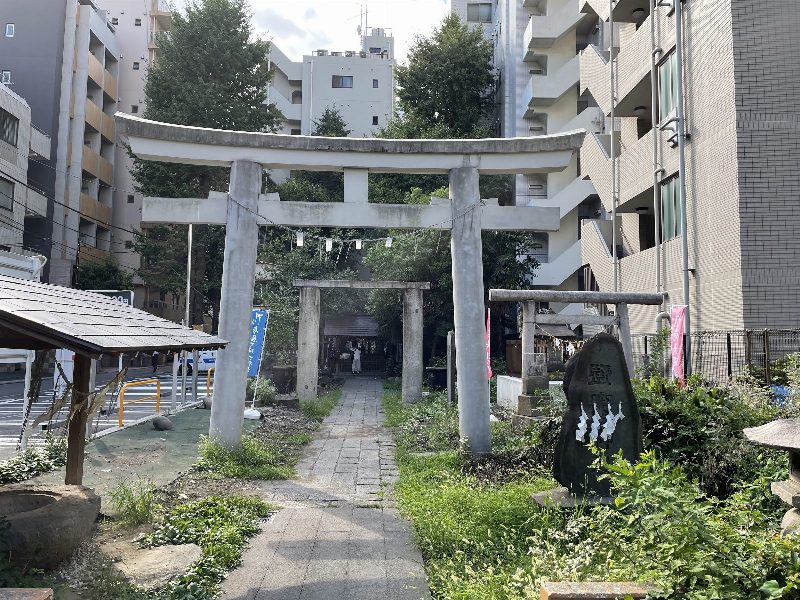
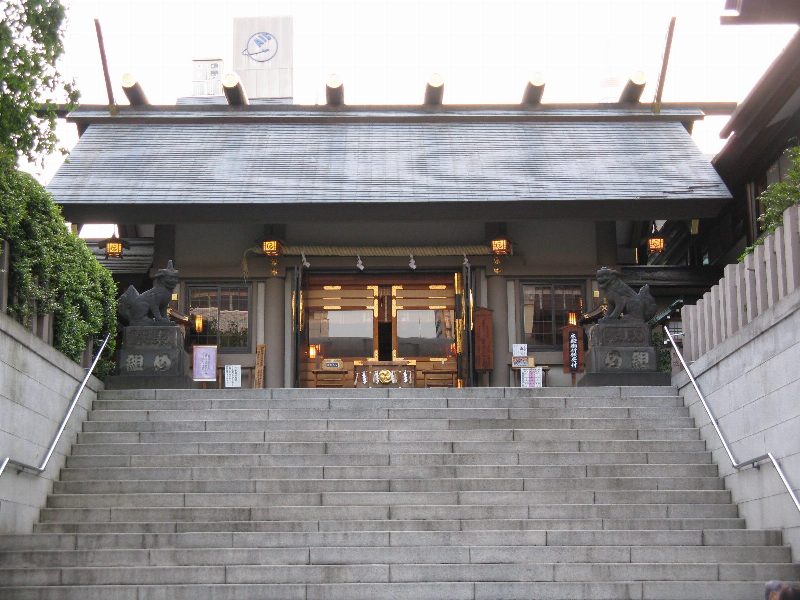
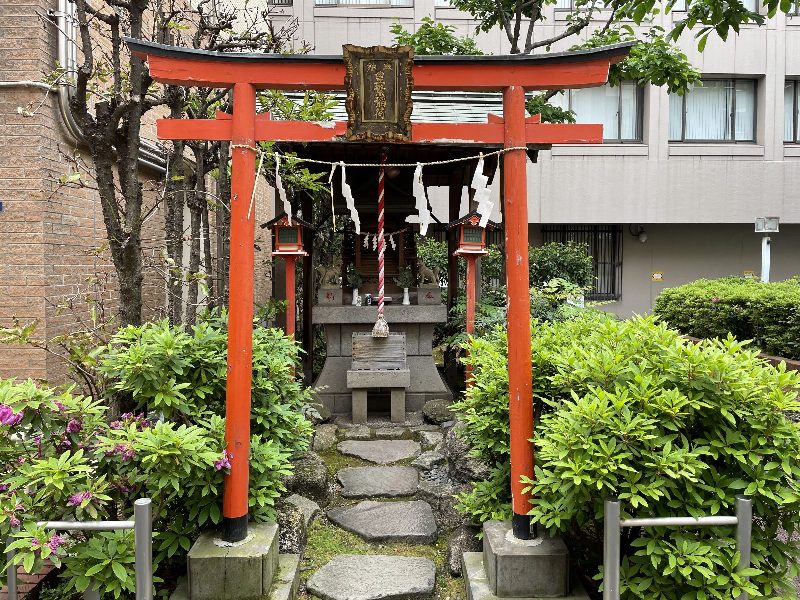
Main shrine and approach: Not large in scale, but has a strong urban feel surrounded by skyscrapers. Torii gate and inner space: Suitable for a quick visit and capturing the scenery of a city center shrine. Surrounding elevated roads and skyscrapers: One of the most recognizable backgrounds of Hibiya Shrine.
Hours & Admission
Opening hours: 9:00 AM to 5:00 PM. Visiting is free; general admission ticket information is not provided in the materials. If you need a goshuin (shrine stamp), prayers, or other services, it is recommended to check the shrine's announcements or arrangements on-site in advance.
Address
2-1-1 Higashi-Shinbashi, Minato, Tokyo.
Travel Tips
Visiting during spring and autumn is the most comfortable, while summer requires attention to high temperatures and sunlight, as the surrounding area consists mostly of open roads and business districts. You can arrange a city walking itinerary that includes Shiodome, Shinbashi, and Hamamatsucho, as transportation connections are convenient. The shrine is not large, so it is advisable to reserve about 15 to 30 minutes for visiting and taking photos. There are many offices, hotels, and dining facilities nearby, making it suitable for a visit during lunch breaks or after work.
Nearby Dining
Due to its location in the Shiodome and Shinbashi business districts, dining options nearby mainly consist of cafes, ramen shops, and lunch restaurants within office buildings. You can also head to cafes and casual dining spots around Shinbashi Station or Shiodome Station as resting places before or after your visit.
FAQ
Where is Hibiya Shrine? Hibiya Shrine is located at 2-1-1 Higashi-Shinbashi, Minato, Tokyo, near the Shiodome and Shinbashi areas. Is there an admission fee for Hibiya Shrine? Visiting Hibiya Shrine is free, and general admission fees are not indicated in the materials. What are the opening hours of Hibiya Shrine? Hibiya Shrine is open from 9:00 AM to 5:00 PM. Why is Hibiya Shrine famous? Hibiya Shrine is noted for being a small shrine in the city center, its urban landscape, and the beliefs surrounding prevention of cavities and health prayers.