Shiogama Shrine
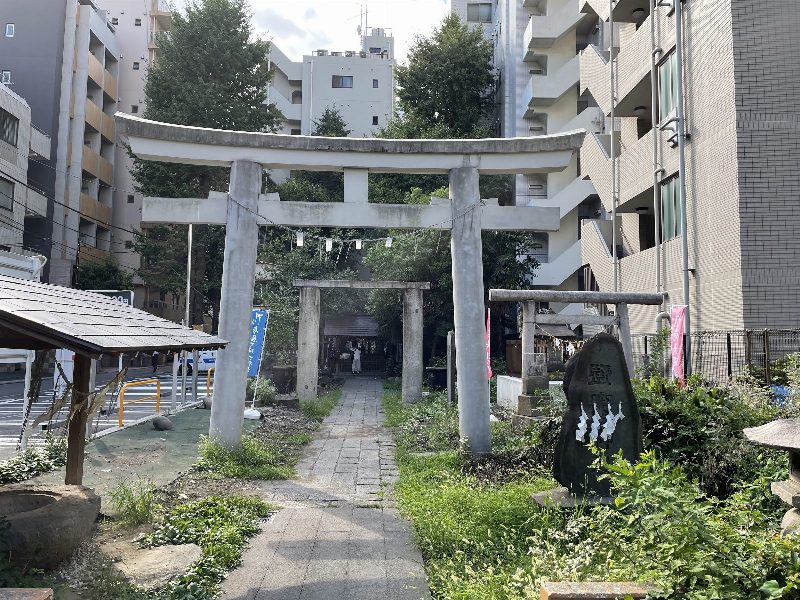
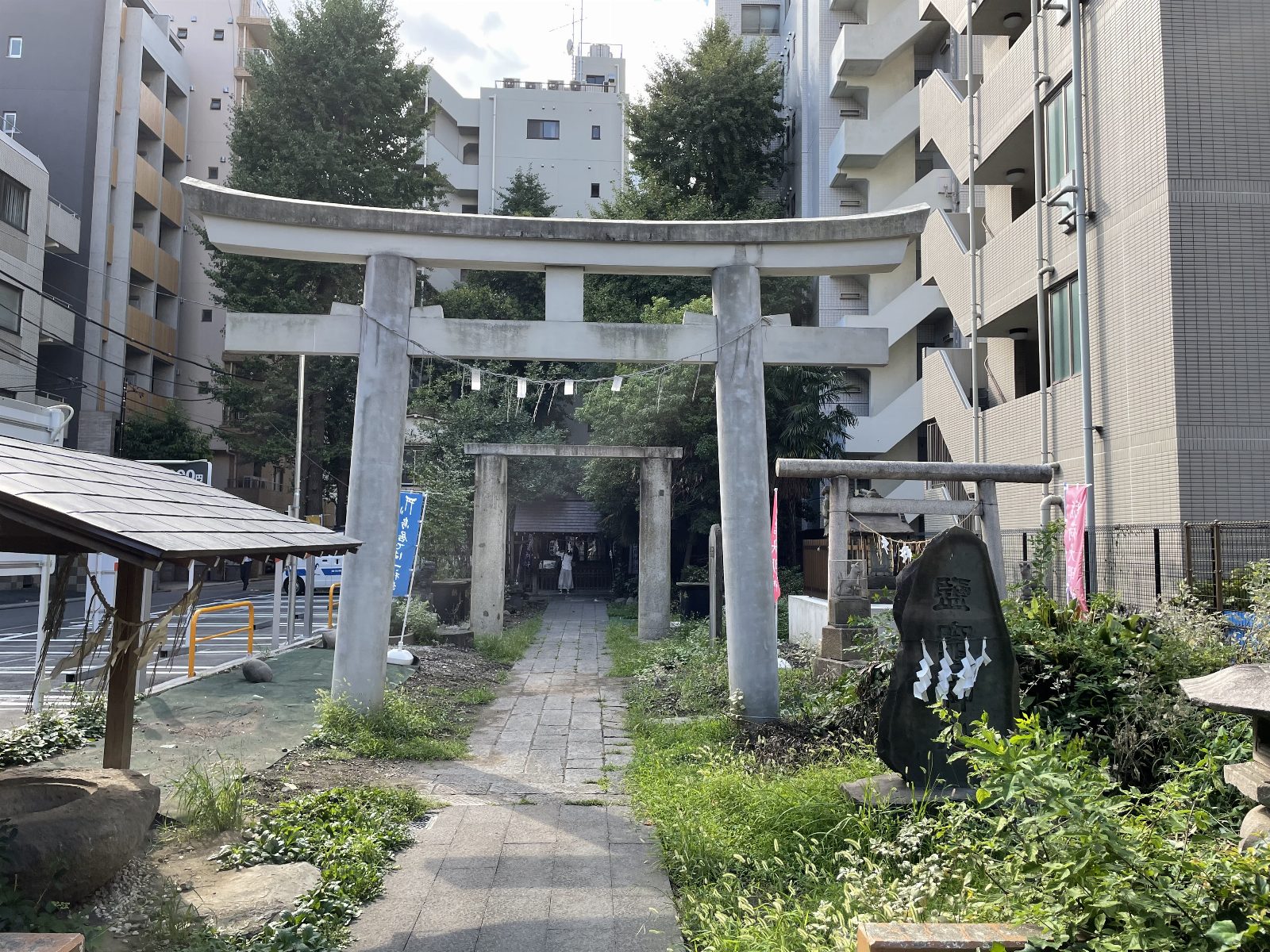
Image source: Wikimedia Commons; license credits as shown.
Overview
Shiogama Shrine is a large shrine complex located on a hill in the center of Shiogama City, Miyagi Prefecture. It is one of the oldest and most prestigious ancient shrines in the Tohoku region. The shrine primarily enshrines deities for maritime safety, protection of fisheries, and safe childbirth. It serves as the head shrine for all 'Shiogama Shrines' across the country, and fifteen Edo-period buildings within the shrine grounds have been designated as Important Cultural Properties of Japan. In spring, around three hundred cherry blossom trees of over thirty varieties bloom, with the 'Shiogama Cherry' — designated as a national natural monument — being particularly precious. The blooming period lasts from mid-April to early May, making it a famous cherry blossom viewing spot. The small hill where the shrine is located offers a distant view of Matsushima Bay, combined with sea breezes and ancient architecture, creating a serene and solemn atmosphere.
Getting There
The most convenient way to reach Shiogama Shrine is to take the JR Senseki Line to 'Hon-Shiogama Station', and then walk about 10 to 15 minutes to the entrance of the approach. If walking from Hon-Shiogama Station, it takes about 15 minutes to reach the stone torii gate via the main approach (Omote-zaka) and about 7 minutes via the eastern approach (Ura-zaka). You can also take the local shuttle bus or drive directly to the parking lot near the hillside.
Highlights
The most significant feature of Shiogama Shrine is its over 1,200 years of history and its esteemed status as one of the Ichinomiya (the primary shrine) of the former Mutsu Province, long protecting the peace of fishermen and pregnant women. The shrine grounds include the main hall, worship hall, stone torii gates, and fifteen Edo-period buildings, designated as Important Cultural Properties of Japan, with a striking aesthetic of vibrant vermilion and white walls. The Omote-zaka approach features a stone staircase with 202 steps, flanked by lush greenery, making it a ceremonial route that is essential for worshippers, though it is quite challenging due to its steepness. Approximately three hundred cherry blossom trees, including the nationally designated natural monument 'Shiogama Cherry', make the shrine a famous cherry blossom viewing spot, with the blooming period extending from mid-April to early May due to the variety of species. Additionally, the shrine hosts numerous annual festivals, including the Yabusame (horseback archery) and salt industry festival in July, showcasing the culture and traditional rituals of the port town.
What to See
・Main Hall and Worship Hall: The main hall and worship hall of Shiogama Shrine were built during the Edo period, featuring a magnificent Gongen-zukuri style. The striking contrast of the vermilion structure against the white walls has been designated as an Important Cultural Property of Japan, serving as the spiritual core and architectural highlight of the entire shrine. ・Stone Torii and Omote-zaka Stone Steps (202 steps): The Omote-zaka leading to the main gate of the shrine has 202 stone steps. Along the way, visitors can enjoy views of the port and city, culminating in the solemn stone torii gate and tower gate, making it a classic scene for photography and experiencing the traditional approach atmosphere. ・Shiogama Cherry and Cherry Blossom Grove: There are about three hundred cherry blossom trees within the grounds, with over thirty varieties. The 'Shiogama Cherry' is a double-flowered cherry with rich petal layers and has been designated as a national natural monument. The best viewing period is typically around late April, when the entire shrine seems to be surrounded by a sea of pale pink blossoms. ・Shiogama Shrine Museum: The Shiogama Shrine Museum showcases local historical documents, swords, armor, and artifacts related to salt production and fisheries, allowing visitors to gain a deeper understanding of the development of the port town and the shrine, making it a great complement to the worship experience. ・Shiwahiko Shrine (adjacent): On the same hill, there is also the ancient Shiwahiko Shrine, which is often visited together with Shiogama Shrine. The environment is tranquil, with lush greenery, making it a great place for a leisurely walk and photography.
Hours & Admission
The shrine grounds of Shiogama Shrine are open year-round, with opening and closing times adjusted according to the seasons. There is no admission fee for worship. The general opening time is around 5:00 AM, with closing times from March to October around 6:00 PM, and from November to February around 5:00 PM. Some tourist information indicates that the main gate may remain open until around 8:00 PM, but this is subject to on-site announcements. Worship and walking within the grounds are free, but there may be additional fees for visiting the museum or special exhibitions, with costs and opening hours based on on-site or official information.
Address
1-1 Moriyama, Shiogama City, Miyagi Prefecture, Japan (Postal Code 985-8510)
Travel Tips
The most popular season to visit Shiogama Shrine is during the cherry blossom season in spring, approximately from mid-April to early May, especially when the Shiogama Cherry is in full bloom in late April. The shrine hosts a cherry blossom festival and nighttime illuminations, creating a lively and romantic atmosphere. Summer festivals such as Yabusame and the Salt Festival around July are suitable for travelers interested in traditional Japanese archery and port town culture; autumn foliage and winter snow scenes present a distinctly serene beauty of the sacred grounds, making it a year-round destination. For those with limited mobility or pushing strollers, it is advisable to avoid the 202 steps of the Omote-zaka and instead take the gentler Ura-zaka or directly take a taxi or drive to the parking lot near the shrine office for a more relaxed and safer visit. The shrine is located on a small hill, and the weather can be changeable, especially in winter and during early mornings and evenings, so it is recommended to prepare warm clothing and non-slip shoes. You can also plan a half-day to full-day itinerary that includes nearby Matsushima Bay boat tours and renowned sushi restaurants.
Nearby Dining
Shiogama City, being close to Matsushima Bay and the Sanriku coast, is famous for its seafood and sushi. Visitors to Shiogama Shrine can conveniently enjoy fresh sushi and seafood dishes in the city. There is a high density of sushi restaurants around Hon-Shiogama Station, many of which offer sushi and seafood bowls made with freshly caught fish from the local port, with a variety of price ranges suitable for lunch or dinner before or after worship. Near the shrine, there are also wagashi shops selling salt-themed snacks and souvenirs, such as salt yokan and salt senbei; some tea houses offer matcha and Japanese sweets, allowing visitors to relax while enjoying the scenery. If time permits, you can also take a train from Shiogama to Sendai City to enjoy local specialties like beef tongue and sasakamaboko, extending your culinary journey.
FAQ
Q: What deities are primarily enshrined at Shiogama Shrine? A: Shiogama Shrine primarily enshrines deities that protect maritime safety, ensure bountiful fisheries, and provide safe childbirth. It is regarded as the 'God of Salt and Fish' and a guardian deity for pregnant women and families. The shrine has historically been an important center of faith for fishermen and maritime workers along the Tohoku coast, and it is revered by those praying for safe childbirth, offspring, and family safety, with many ema (wish plaques) and omamori (amulets) related to safe childbirth and peace visible throughout the grounds. Q: How do I get to Shiogama Shrine from Sendai? A: The simplest way to reach Shiogama Shrine from Sendai is to take the JR Senseki Line to 'Hon-Shiogama Station', then walk about 10 to 15 minutes to the entrance of the shrine approach. The train ride from Sendai Station to Hon-Shiogama Station takes about half an hour, with frequent train services, making it suitable for a half-day or full-day round trip. After arriving at Hon-Shiogama Station, you can choose to walk via Omote-zaka or Ura-zaka according to the signs, or take a taxi up the hill for convenience. Q: Is there an admission fee for Shiogama Shrine? A: Basic worship and walking within Shiogama Shrine are completely free, and no admission ticket is required. The shrine's halls, approaches, and cherry blossom grove can be freely visited, with additional fees only for lottery draws, purchasing omamori, participating in special blessings, or entering the museum, with specific costs based on on-site announcements. Q: When is the best time to visit Shiogama Shrine for cherry blossom viewing? A: The best time to visit Shiogama Shrine for cherry blossom viewing is typically from mid-April to early May, with slight variations depending on the year's climate. Generally, early and mid-blooming varieties bloom from mid to late April, while the national natural monument 'Shiogama Cherry' is a late-blooming variety, often reaching full bloom around late April, allowing for a longer overall cherry blossom season compared to other viewing spots, making it suitable for flexible itinerary planning. Q: Are the 202 steps of Omote-zaka suitable for the elderly or those with limited mobility? A: The 202 steps of Omote-zaka at Shiogama Shrine are quite steep and not recommended for the elderly, young children, or those with limited mobility to climb entirely on foot. If mobility is an issue, it is advisable to take the gentler Ura-zaka, use the local shuttle bus, take a taxi, or drive to the parking lot near the shrine to reduce the burden of climbing and enhance safety.