Shiba Daijingu
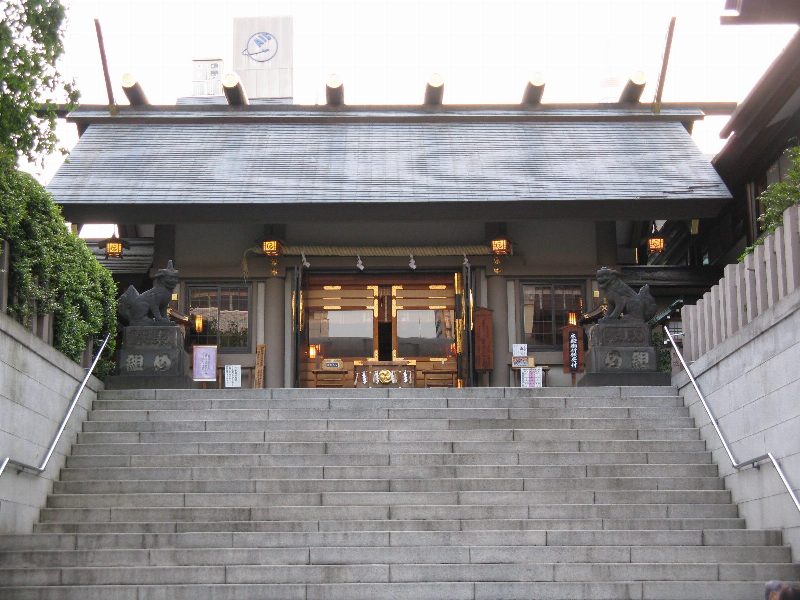
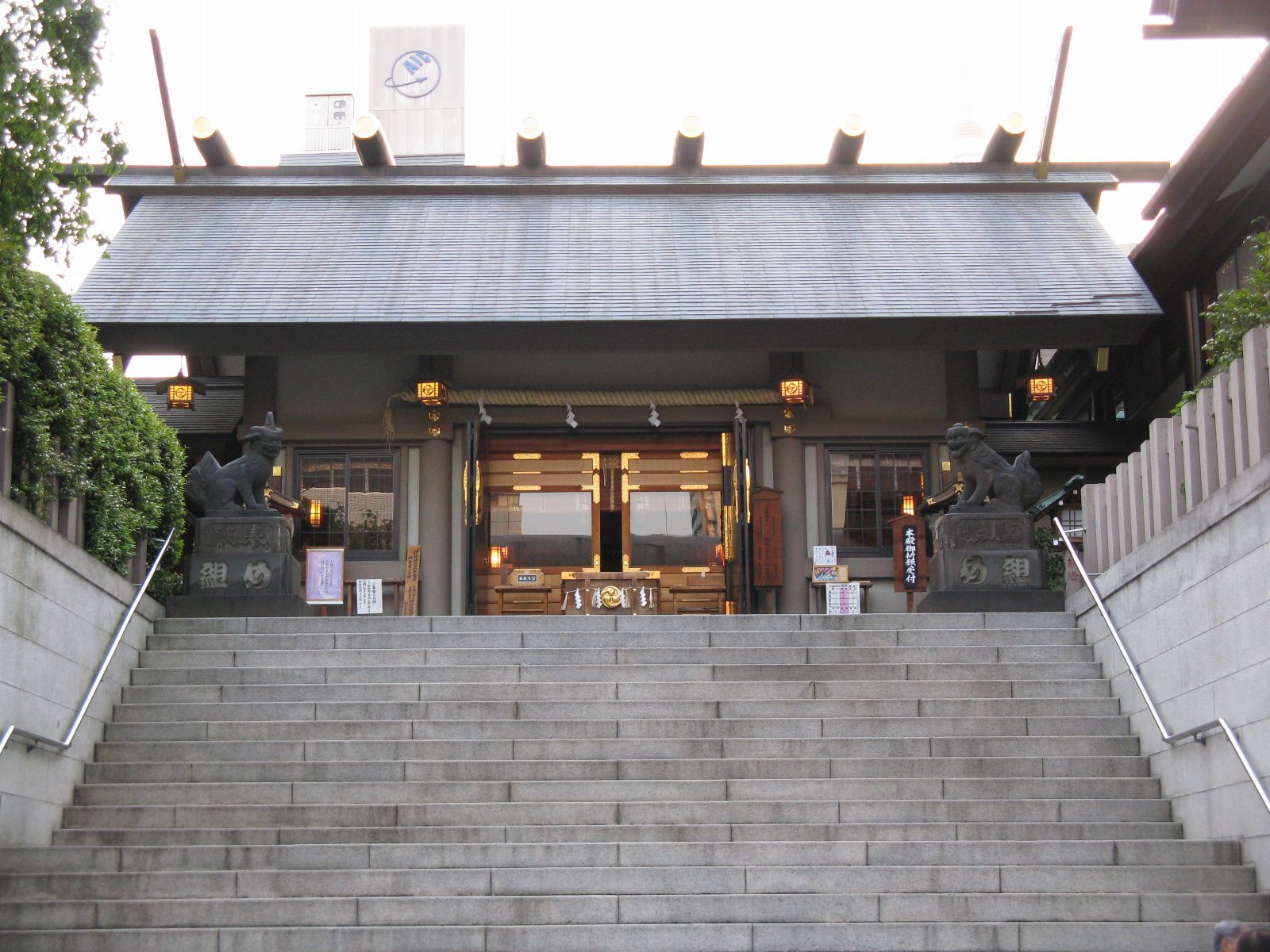
Image source: Wikimedia Commons; license credits as shown.
Overview
Shiba Daijingu is a shrine located in the Shiba Daimon area of Minato, Tokyo, with a history spanning over a thousand years, recognized as one of the few ancient shrines in Tokyo. The main deities worshipped here are Amaterasu Omikami from Ise Jingu's inner shrine and Toyouke Omikami from the outer shrine, earning it the nickname 'Kanto's Ise Jingu'. The shrine was established in the year 1005 (the second year of the Kan'ei era), originally named 'Shiba Shinmei Shrine' and 'Iikura Shinmei Shrine', and was renamed 'Shiba Daijingu' during the Meiji period. Every September, the 'Shiba Shinmei Daradara Festival' and ginger market are held for about ten days, showcasing a vibrant Edo-style folk festival.
Getting There
The most convenient way to reach Shiba Daijingu is to take the JR or subway to Hamamatsucho or Daimon Station and then walk. From the north exit of Hamamatsucho Station on the JR Yamanote Line or Keihin-Tohoku Line, it takes about 5 minutes on foot. From exit A6 of Daimon Station on the Toei Asakusa Line or Oedo Line, it takes about 1 minute on foot. From exit A2 of Onarimon Station on the Toei Mita Line, it takes about 5 minutes on foot to reach the shrine's approach.
Highlights
The most distinctive feature of Shiba Daijingu is its role as 'Kanto's Ise Jingu', preserving the solemn atmosphere of Ise faith and the architectural style of the main shrine amidst urban skyscrapers. With over a thousand years of history, it was once a quasi-imperial shrine and is listed among the 'Ten Shrines of Tokyo', holding an important place in the religious history of Edo and modern Tokyo. The 'Shiba Shinmei Daradara Festival', held every September, is famous for its long duration, ginger market, and sweet sake tea houses, making it a popular Edo folk festival alongside the 'Bettara Market' in Kodenmacho. The shrine grounds feature a half-bell and anecdotes related to the famous Kabuki play 'Megumi no Kenka', as well as a large stone known as 'Chikaraishi', allowing visitors to experience the customs and competitive culture of the Edo period.
What to See
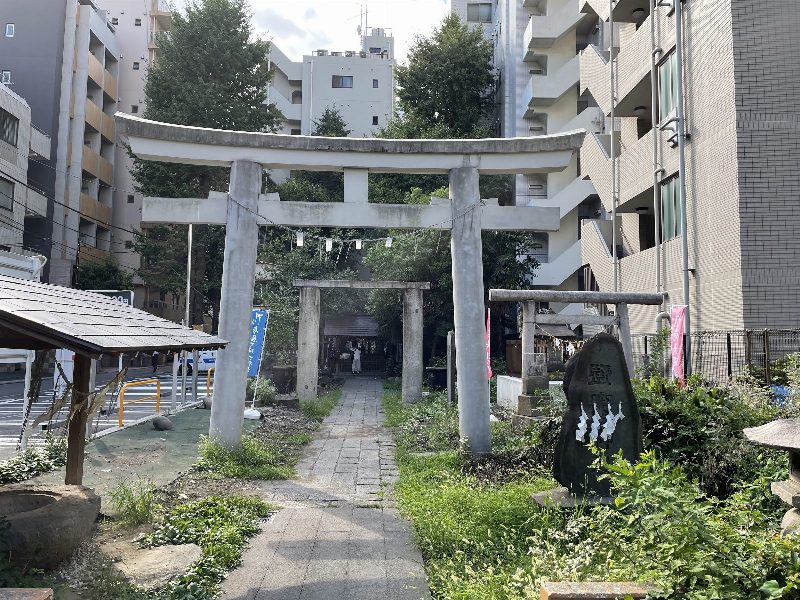
Although the grounds of Shiba Daijingu are not large, they create a tranquil sacred space amidst the office buildings of the Shiba Daimon area, making it suitable for a visit and a leisurely stroll. The main approach starts from the entrance on the Daimon side, where visitors can see the stone torii gate, the approach path, and the solemn haiden (worship hall). The main shrine is built in the style of the deities, enshrining Amaterasu Omikami and Toyouke Omikami. The grounds preserve treasures related to the Edo period's 'Megumi no Kenka', as well as the 'Chikaraishi', symbolizing ancient competitive culture, making it a highlight for understanding Edo folk culture. During festival periods, the grounds and surrounding areas are filled with ginger stalls, sweet sake tea houses, and various food stalls, presenting a lively scene that is distinctly different from everyday life, especially vibrant during the 'Daradara Festival'.
Hours & Admission
Shiba Daijingu is open for worship throughout the day, and general visits do not require an admission fee. The office for administrative matters and offerings is usually open from 9:00 AM to 5:00 PM, with prayer acceptance from about 9:00 AM to 4:30 PM. It is recommended to visit during the day for worship and to obtain goshuin (temple stamps) and omamori (amulets). The annual festival day is September 16, and during the activities related to the 'Shiba Shinmei Daradara Festival' held from September 11 to 21, some dates may have restricted access due to events or larger crowds. Individuals participating in formal prayer ceremonies need to offer a separate initial fee, typically starting from 10,000 yen, with different standards for companies and groups; details can be found in official announcements or by calling in advance.
Address
1-12-7 Shiba Daimon, Minato, Tokyo 105-0012, Japan
Travel Tips
It is recommended to visit Shiba Daijingu on weekdays during the day to experience the contrast between the shrine and the skyscrapers in a quieter atmosphere, allowing ample time for worship and obtaining goshuin and omamori. If you wish to experience traditional festivals, consider visiting during the mid-September 'Shiba Shinmei Daradara Festival', when ginger markets and food stalls appear, but be prepared for large crowds and allow time for queuing and walking. The shrine is within a 5-minute walk from several stations, including Hamamatsucho, Daimon, and Onarimon, making it possible to connect with other attractions in Minato, such as Hamarikyu Gardens, Zojoji Temple, and Tokyo Tower for a day of walking. The shrine also offers services for Shinto weddings; if a wedding or prayer ceremony is taking place, please be respectful and maintain distance when taking photos, and try to avoid disrupting the ceremony and worship flow.
Nearby Dining
The area around Shiba Daijingu is a commercial district, and within a few minutes' walk, you can find a variety of dining options, including Japanese izakayas, business lunch restaurants, and cafes, making it a suitable place to rest and dine before or after your visit. There are many chain coffee shops and Japanese and Western restaurants from Daimon Station and Hamamatsucho Station to the shrine area, bustling during lunchtime on weekdays and ideal for dining in izakayas in the evening. If you visit during the 'Shiba Shinmei Daradara Festival', there will be festival stalls and sweet sake tea houses in the shrine and surrounding areas, where you can taste traditional flavors and ginger-related snacks associated with the festival.
FAQ
Q: Who are the main deities worshipped at Shiba Daijingu? A: Shiba Daijingu primarily worships Amaterasu Omikami and Toyouke Omikami from Ise Jingu, regarded as 'Kanto's Ise Jingu'. Amaterasu Omikami symbolizes light and the protection of the nation, while Toyouke Omikami oversees necessities such as food, clothing, and shelter, leading many worshippers to pray for family safety, business prosperity, and abundant harvests. Q: What is the founding date and historical significance of Shiba Daijingu? A: Shiba Daijingu was founded in the year 1005 (the second year of the Kan'ei era) and is one of the few ancient shrines in Tokyo with a history traceable to the Heian period. The shrine was built as a branch of Ise Jingu and became a center of Edo folk faith during the Edo period. After the Meiji period, it was renamed to its current name and was once listed as a quasi-imperial shrine and one of the 'Ten Shrines of Tokyo', celebrating its 1000th anniversary in 2005. Q: How do I get to Shiba Daijingu? What is the nearest station? A: The most convenient way to reach Shiba Daijingu is to take the JR or Toei subway to Hamamatsucho or Daimon Station and then walk. From the north exit of Hamamatsucho Station on the JR Yamanote Line or Keihin-Tohoku Line, it takes about 5 minutes on foot. From exit A6 of Daimon Station on the Toei Asakusa Line or Oedo Line, it takes about 1 minute on foot. From exit A2 of Onarimon Station on the Toei Mita Line, it takes about 5 minutes on foot to reach the shrine entrance. Q: Is there an admission fee for Shiba Daijingu? What are the opening hours? A: General visits to Shiba Daijingu are free, and no admission fee is required. The shrine is generally open for public worship throughout the day. The office for administrative matters and prayer acceptance is typically open from 9:00 AM to 4:30 PM, and it is recommended to visit during the daytime for obtaining goshuin, omamori, and prayers. Q: What festivals or events are worth seeing at Shiba Daijingu? A: The most famous event at Shiba Daijingu is the 'Shiba Shinmei Daradara Festival', held every September, approximately from the 11th to the 21st, known for its long duration. This traditional festival has continued since the Edo period, with ginger markets and sweet sake tea houses held in the shrine and surrounding areas, known as the 'Ginger Festival', and is comparable to the 'Bettara Market' in Kodenmacho. It has also been depicted in ukiyo-e, making it a great opportunity to experience Edo folk culture. Q: Can Shiba Daijingu host Shinto weddings? How do I make a reservation? A: Shiba Daijingu offers Shinto wedding ceremonies and is one of the popular venues for traditional Japanese weddings in Tokyo. For information regarding wedding plans, costs, and availability, it is necessary to inquire and make reservations in advance via phone or through designated wedding planning companies. The official website also provides transportation and contact information, so it is advisable to allow ample time for planning.