Hung Hom Kwun Yum Temple
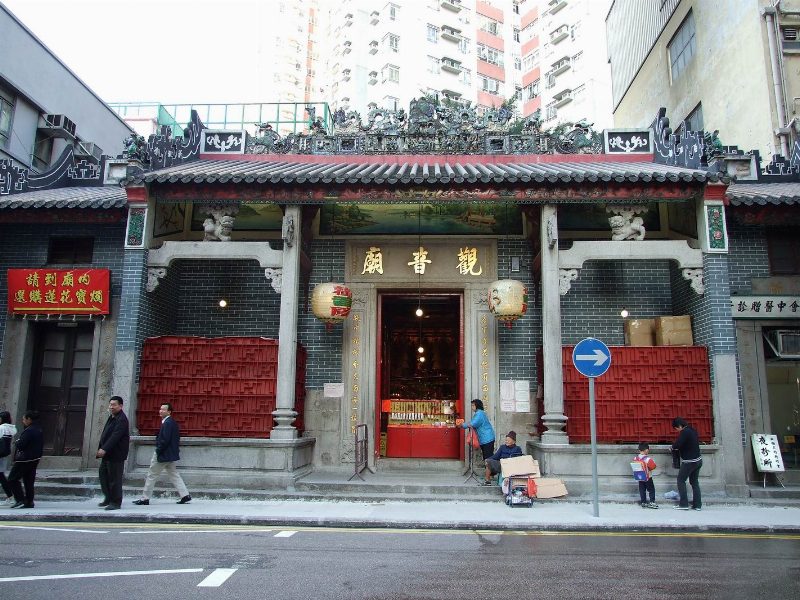
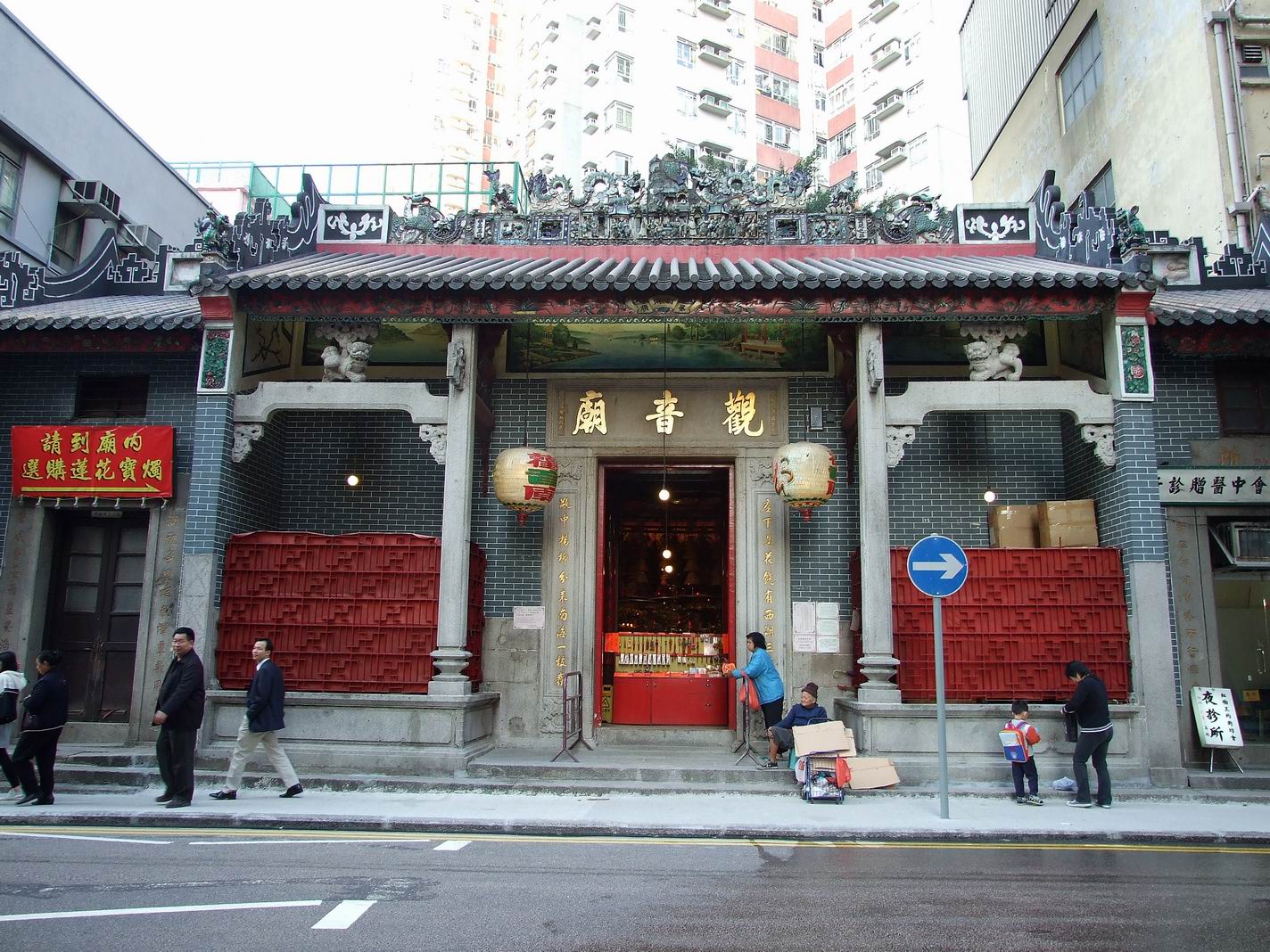
Image source: Wikimedia Commons; license credits as shown.
Overview
Hung Hom Kwun Yum Temple is the largest Kwun Yum temple on the Kowloon Peninsula and is also one of Hong Kong's Grade I historic buildings, located in Hung Hom, Kowloon City District, with a bustling atmosphere. The temple was built in the 12th year of the Tongzhi era of the Qing Dynasty (1873) with funding from residents of Hung Hom, Ho Man Tin, and To Kwa Wan, serving both religious and community functions throughout its history. The architecture features a traditional layout with two courtyards and three bays, adorned with exquisite Foshan ceramic and plaster decorations on the roof ridge. The temple also preserves many ancient plaques, couplets, and cultural relics, allowing visitors to worship while appreciating history. During the Kwun Yum's birthday and the 26th day of the first lunar month, known as 'Kwun Yum Opens the Treasury', the temple is particularly crowded, making it a popular spot to experience Hong Kong's folk belief culture.
Getting There
The most convenient way to reach Hung Hom Kwun Yum Temple is to take the MTR to Ho Man Tin Station, exit B1, walk across the pedestrian bridge to Wu Hu Street, then turn onto Kwun Yum Street, taking about 10 minutes in total. Alternatively, you can take bus routes 6C, 6F, 30X, 212, or tunnel buses 106, 115, and get off near Wu Hu Street or Kwun Yum Street, then walk about 5 minutes to the entrance of the temple.
Highlights
The most distinctive feature of Hung Hom Kwun Yum Temple is its status as the largest Kwun Yum temple in Kowloon and a Grade I historic building in Hong Kong, embodying both religious and cultural significance. The temple's architecture is designed with two courtyards and three bays, featuring a hard hill-style tiled roof and a front porch that showcases traditional Southern Chinese temple style. The ceramic decorations on the roof ridge depict scenes from the novel 'The Legend of the Flying Dragon', showcasing exquisite craftsmanship. The temple primarily enshrines Kwun Yum Bodhisattva, along with various deities such as Dou Mu Yuan Jun, the 60 Tai Sui, Hung Sheng, Cai Bo Xing Jun, Guan Di, Bei Di, Hua Guang Xian Shi, San Guan Da Di, Wen Chang Di Jun, Cheng Huang, and Qi Tian Da Sheng, making it a one-stop center for worshippers to pray for blessings, wealth, education, and safety. On the 26th day of the first lunar month, known as 'Kwun Yum Opens the Treasury', and during the four occasions of Kwun Yum's birthday, the temple is filled with devotees coming to offer incense and seek wealth, creating a vibrant local festive atmosphere. Additionally, legends about the temple's resilience during World War II bombings and fires add to its reputation for miraculous occurrences, making it an excellent window for understanding Hong Kong's urban development and folk beliefs.
What to See
1. Mountain Gate and Front Porch: The entrance features a porch design, with the words 'Kwun Yum Temple' carved on the lintel, flanked by drum platforms, creating a solemn ceremonial atmosphere and serving as a representative photo spot. 2. Main Hall and Courtyard: The temple is designed with two courtyards and three bays, with the central courtyard allowing natural light and ventilation. The incense altar in the main hall is often shrouded in smoke, reflecting a thriving incense offering scene. 3. Roof Ridge Plaster and Foshan Ceramics: The main ridge is a 'flower ridge', with Foshan ceramics added in the first year of the Xuantong era (1909), depicting scenes from the novel 'The Legend of the Flying Dragon', complemented by Shiwan ceramics and plaster decorations, highlighting the architectural artistry. 4. Ancient Bell, Plaques, and Couplets: The temple preserves an ancient bell from the 12th year of the Tongzhi era (1873), along with several wooden plaques and couplets offered by devotees, providing insights into the past merchants, guilds, and clans of Hung Hom, serving as important clues for studying local social history. 5. Multi-Deity Shrines: In addition to Kwun Yum, the temple features separate shrines for Tai Sui, the God of Wealth, Guan Di, and Bei Di, allowing worshippers to pray according to their specific needs, such as health, wealth, career, and academic success. 6. Festive Fireworks and Lion Dance: During the lunar calendar's 19th day of the second month, known as 'Head Birthday', members of the fireworks team perform lion dances around the nearby Fude Temple and municipal building, accompanied by flower banners, incense, and stalls, creating a vibrant temple fair atmosphere.
Hours & Admission
Hung Hom Kwun Yum Temple is open daily from 8:00 AM to 5:45 PM, making it suitable for morning or afternoon visits. There is no admission fee, and both devotees and visitors can freely enter to worship and offer incense, but it is recommended to donate incense oil as per personal wishes. The temple also supports electronic donation methods, including Alipay Hong Kong. During major festivals such as Kwun Yum's birthday, 'Kwun Yum Opens the Treasury', and the seventh lunar month’s Ullambana Festival, the temple can become very crowded, so it is advisable to allow extra time for worship.
Address
15 Chai Wan Li, Hung Hom, Kowloon, Hong Kong
Travel Tips
When visiting Hung Hom Kwun Yum Temple, it is recommended to dress modestly and avoid overly revealing clothing to show respect for the deities and other worshippers. Maintain a quiet demeanor inside the temple and turn off flash photography. If you wish to experience the liveliest atmosphere, consider visiting on the 26th day of the first lunar month for 'Kwun Yum Opens the Treasury' or during the four occasions of Kwun Yum's birthday (the 19th day of the second, sixth, ninth, and eleventh lunar months), but be prepared for crowds and queues. For a more leisurely visit and photography, consider going on weekday mornings or non-festival days, which allows for a more detailed appreciation of the roof art and plaques in a quieter setting. The areas around Kwun Yum Street and Wu Hu Street are traditional neighborhoods with street markets, tea restaurants, and small shops, providing an opportunity to experience local community life. You can also combine visits to nearby attractions such as To Kwa Wan, Whampoa, and the Hung Hom waterfront promenade for a half-day or full-day walking route. On rainy days, be cautious as the ground in front of the temple and the courtyard tiles may be slippery; wearing non-slip shoes and being mindful of your steps is advisable.
Nearby Dining
The areas around Hung Hom Kwun Yum Temple, including Kwun Yum Street, Wu Hu Street, and the Hung Hom Municipal Building, are home to many traditional congee and noodle shops as well as tea restaurants, making them great choices for enjoying authentic Hong Kong-style breakfasts and afternoon teas. Visitors can savor milk tea, pineapple buns, and char siu rice at popular nearby tea restaurants before or after worshipping, experiencing the daily rhythm of the old district. A 10 to 15-minute walk will take you to Whampoa Garden and Whampoa Plaza, where there are various international cuisine restaurants and cafes, ideal for travelers looking to dine in a cool environment. If you enjoy street food, you can stroll along Wu Hu Street and Tak Man Street, sampling fish balls, rice rolls, and other snacks, while enjoying a walk around the temple, old district, and waterfront, providing a deeper experience of life in Hung Hom.
FAQ
Q: What are the opening hours of Hung Hom Kwun Yum Temple? A: Hung Hom Kwun Yum Temple is open daily from 8:00 AM to 5:45 PM, allowing visitors and devotees to freely enter for worship and sightseeing during this time. During major festivals or events, crowds may be larger, so it is advisable to arrive early to avoid peak times or allow extra time for queuing. Q: What is the most convenient way to get to Hung Hom Kwun Yum Temple? A: The most convenient way to reach Hung Hom Kwun Yum Temple is to take the MTR to Ho Man Tin Station, exit B1, walk across the pedestrian bridge to Wu Hu Street, then turn onto Kwun Yum Street and walk to Chai Wan Li, taking about 10 minutes. Alternatively, you can take bus routes 6C, 6F, 30X, 212, and tunnel buses 106, 115, and get off near Wu Hu Street or Kwun Yum Street, then walk about 5 minutes following the signs. Q: Is there an admission fee for Hung Hom Kwun Yum Temple? A: There is no admission fee for Hung Hom Kwun Yum Temple; both locals and tourists can enter freely for worship and sightseeing. The temple has incense donation boxes and electronic donation channels, encouraging visitors to support the temple's maintenance and daily operations through voluntary donations. Q: What special festive activities are held at Hung Hom Kwun Yum Temple? A: The most notable event at Hung Hom Kwun Yum Temple is 'Kwun Yum Opens the Treasury' on the 26th day of the first lunar month, when it is said that Kwun Yum Bodhisattva opens the treasury to lend money to the public, attracting many devotees to 'borrow from the treasury' to pray for wealth. Additionally, the birthdays of Kwun Yum on the 19th days of the second, sixth, ninth, and eleventh lunar months, as well as the Ullambana Festival in the seventh lunar month, feature activities such as worship, lion dances, and fireworks, making it a great time to experience local folk beliefs and festive culture. Q: Are there any dress code or etiquette requirements for visiting Hung Hom Kwun Yum Temple? A: It is recommended to dress neatly and modestly when visiting Hung Hom Kwun Yum Temple, avoiding overly revealing clothing to show respect for the religious site. When entering the main hall, keep your voice down, refrain from eating or making noise indoors, and turn off flash photography to protect personal privacy and avoid disrupting rituals. Q: Is Hung Hom Kwun Yum Temple suitable for visiting with children or the elderly? A: Hung Hom Kwun Yum Temple is very suitable for visiting with children and the elderly. In addition to worshipping for blessings, it also provides an opportunity to teach children about Hong Kong's local culture through explanations of the temple's history and architectural details. The temple grounds have steps and stone tiles, so extra care should be taken when pushing wheelchairs or strollers due to elevation changes and crowds; it is advisable to visit during less crowded times for a more comfortable and safe experience.