Kinmen County Ceramics Factory
Taiwan · Kinmen County · Jinhu Township · Museums, Culture & Arts

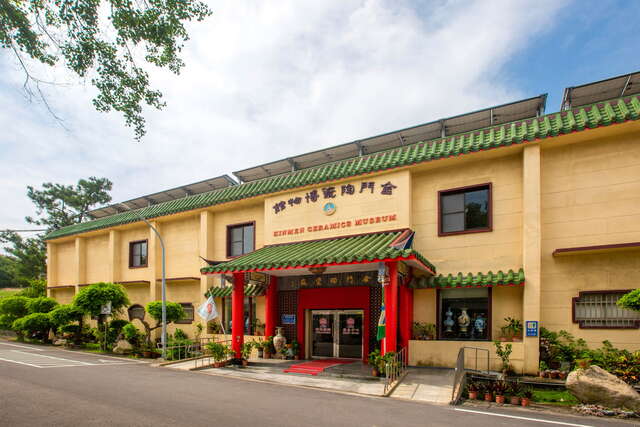
Image source: Taiwan_Opendata; license credits as shown.
Overview
Located beside Huan Dao South Road, the Kinmen County Ceramics Factory was established in 1963 and is the only official kiln in the country. Using high-quality porcelain clay as raw material, combined with the craftsmanship of artists' hand-painted designs, it has become a model of Kinmen ceramics.
Highlights
The Kinmen County Ceramics Factory is the only official kiln in the country and an important representative site that witnesses Kinmen's craftsmanship and sorghum liquor culture. Established in 1963, the factory uses high-quality porcelain clay produced in Kinmen as raw material, combining artists' pure hand-painted designs and various glazing techniques to create exquisite and elegantly shaped wine vessels and artworks, making it a model of Kinmen ceramics and a place sought after by collectors. Visitors can not only admire various floral and bird designs, landscape celadon, and plain glazed works up close but also experience the unique historical status and artisan atmosphere of the 'official kiln,' making it a must-visit spot to understand local culture and craftsmanship aesthetics in Kinmen.
What to See
1. Background of the Official Kiln and Park Environment: The Kinmen County Ceramics Factory is located beside Huan Dao South Road in Jincheng Township and is a public ceramics business unit established by the Kinmen County Government. It is the only county-level official kiln in the Republic of China, with a spacious park area where the factory buildings and exhibition spaces are concentrated, making it convenient for walking tours. 2. Ceramics Museum Exhibition Area: The factory has a ceramics museum that displays representative works and collectible liquor bottles from various periods since its establishment, including celadon, plain glazed pottery, and various shaped ceramic bottles. Through display cases and explanations, visitors can understand the development context and technical evolution of Kinmen ceramics. 3. Display of Sorghum Liquor Bottles: The museum prominently features various wine vessels and commemorative liquor bottles made for Kinmen sorghum liquor, showcasing diverse designs that combine practicality and collectible value. Visitors can see themed liquor bottles and limited edition designs developed through collaboration between the official kiln and liquor factories. 4. Celadon and Plain Glaze Craftsmanship: Among the exhibits, one can see celadon works painted with floral and landscape designs, as well as intricately crafted plain glazed ceramics. The whiteness of the clay body, the layers of glaze color, and the details of brush strokes all reflect the deep painting and firing skills of the artists. 5. Renowned Creators and Historical Stories: The park and exhibitions introduce renowned artists who have collaborated with the ceramics factory or have created works on-site, as well as stories from the military and cultural sectors promoting 'Culture on the Front Line' in earlier years, allowing visitors to appreciate ceramics while learning about the unique culture nurtured in Kinmen during wartime. 6. Product Display and Purchase Area: The ceramics factory has a retail area displaying various wine bottles, tea sets, cups, plates, and commemorative porcelain items, neatly arranged for easy selection by visitors looking for souvenirs or collectibles. Visitors can observe the glaze colors and painting details up close.
Travel Tips
1. Recommended Duration: If only visiting the exhibition area and retail store, about 1–1.5 hours is needed; if planning a DIY experience and in-depth factory tour, it is recommended to reserve over 2 hours for a more relaxed visit. 2. Visiting Hours and Flow: Weekdays are the main operating hours for the factory, providing a better chance to experience the production and working atmosphere; if wanting to avoid group tourists, it is suggested to visit in the morning or on weekdays, and follow the park's directional signs for visiting while respecting restricted work areas. 3. Reservation for Tours and DIY: If you want to learn more about the bottle-making process or experience hands-on crafting, it is recommended to make a reservation in advance by phone or online with the ceramics factory and confirm whether the factory is open for tours or DIY slots on that day to avoid disappointment. 4. Suggested Items to Bring: The indoor exhibition area mainly consists of glass display cases and fragile works, so it is advisable to enter lightly and avoid large backpacks or strollers that may bump into items; photography enthusiasts can bring cameras but should comply with any restrictions on flash photography. 5. Family and Child-Friendly Visits: The museum contains many fragile ceramics, so when visiting with children, it is advisable to communicate beforehand about 'looking only, not touching,' and choose age-appropriate simple pottery experience activities to allow children to safely engage with clay. 6. Transportation and Parking: The Kinmen County Ceramics Factory is located in Jincheng Township, near major roads, making it suitable for driving or taking a taxi. Parking spaces are usually available nearby, and it is recommended to plan a half-day or full-day itinerary that includes nearby attractions. 7. Shopping and Packaging: When purchasing wine bottles and ceramics, you can ask the retail staff for assistance in enhancing protective packaging. If luggage space is limited, prioritize selecting smaller or combination items, and keep fragile items in carry-on luggage for easier protection. 8. Rainy Day Backup Attractions: The ceramics factory mainly features indoor exhibition areas, making it a suitable backup attraction for rainy days or during the winter northeast monsoon, allowing visitors to slowly appreciate ceramics and cultural displays indoors.
FAQ
question: What does the Kinmen County Ceramics Factory mainly do? answer: The Kinmen County Ceramics Factory mainly produces porcelain bottles for Kinmen sorghum liquor and various ceramic artworks, showcasing the craftsmanship and history of the Kinmen official kiln. The factory uses high-quality porcelain clay sourced locally in Kinmen, with artists hand-painting and firing the products, creating a variety of bottle shapes and commemorative liquor vessels for Kinmen sorghum liquor over the years. It also features a ceramics museum and exhibition space for visitors to learn about the background of the official kiln, appreciate collectible works, and purchase souvenirs. question: Do I need to make a reservation to visit the Kinmen County Ceramics Factory? answer: Generally, visiting the exhibition and retail store does not require a reservation, but it is recommended to make one in advance if you want to see the bottle-making process or participate in a DIY experience. If you are just entering the exhibition area and retail store during open hours, you can usually enter directly; however, if you wish to closely understand the bottle-making process, visit the kiln, or arrange activities like hand-throwing, painting, or clay modeling, reservations are often required. It is advisable to confirm the opening status and visitor limits for that day through phone or official contact channels. question: Is the Kinmen County Ceramics Factory suitable for visiting with children? answer: The Kinmen County Ceramics Factory is suitable for family visits, but extra attention should be paid to children's safety and not touching the exhibits. The museum displays a large number of fragile ceramic works, and children may be curious and approach the display cases or products. Parents can set rules for the visit in advance and prioritize age-appropriate DIY activities, such as simple clay modeling or painting, allowing children to learn about pottery and the culture of Kinmen sorghum liquor bottles through experience. question: What kind of souvenirs can I buy at the Kinmen County Ceramics Factory? answer: At the Kinmen County Ceramics Factory, you can purchase various sorghum liquor bottles, tea sets, and commemorative porcelain items as souvenirs. The retail store displays different shapes and glaze colors of wine bottles, cup and plate tea sets, decorative porcelain, and commemorative items with Kinmen imagery. Some styles are collectible or specially designed themed liquor bottles. When purchasing, you can ask the staff to assist with introducing the features of the styles and packaging methods, making it convenient to take back to the main island or for gifting.