Kinmen Stone Sculpture Park
Taiwan · Kinmen County · Jincheng Township · Amusement & Leisure
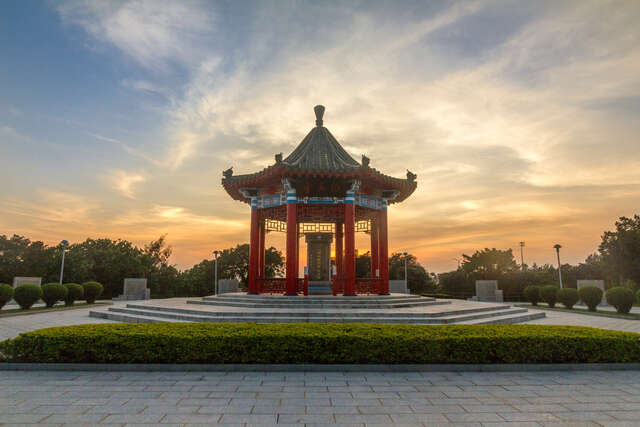
Image source: Taiwan_Opendata; license credits as shown.
Overview
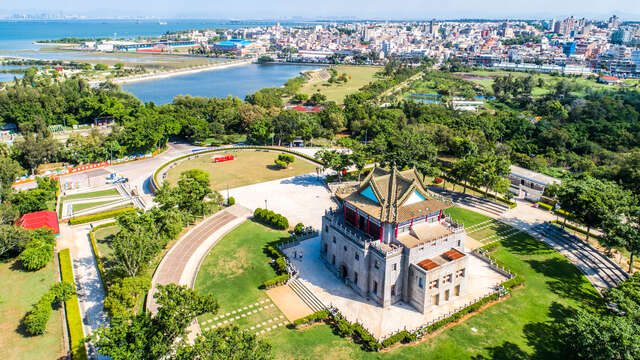
Located on the southern bank of the Wu River estuary, the park features numerous large sculptures by renowned artists, all created using the unique granite of Wu Island. The works present Kinmen's rich cultural atmosphere through three main themes: 'This Land', 'Edge', and 'Historical Trajectory'. The park also includes a small bridge, flowing water, and the Boyu Pavilion commemorating General Hu Lian, surrounded by the 'Jinshi Wall' and 'Doctor Wall', which are inscribed with the names of scholars who have achieved success in the imperial examinations and those who have earned doctoral honors both domestically and internationally, witnessing the talents of Wu Island.
Highlights
Kinmen Stone Sculpture Park is a waterfront park themed around granite stone sculpture art and local cultural history. The park showcases the unique natural environment and cultural elegance of Kinmen Wu Island through large sculptures, commemorative pavilions, and named stone walls, centered around the three themes of 'This Land', 'Edge', and 'Historical Trajectory'. Visitors can enjoy the scenic waterfront views of the Wu River estuary while strolling among the stone sculptures and flowing water, experiencing the essence of Kinmen's 'talents and spirits'.
What to See
1. Large Granite Sculptures: The park features many large sculptures created by renowned artists, all made from the unique granite of Wu Island, revolving around the themes of 'This Land', 'Edge', and 'Historical Trajectory', showcasing Kinmen's natural landscapes, battlefield memories, and cultural stories. 2. Wu Island Cultural Theme Area: The 'This Land' theme draws inspiration from Kinmen's landscapes, rural scenes, and island imagery; 'Edge' often resonates with battlefield and frontline imagery; 'Historical Trajectory' uses shapes and compositions to metaphorically represent Kinmen's diverse historical context, suitable for leisurely exploration and photography. 3. Boyu Pavilion: The 'Boyu Pavilion' in the park is built to commemorate General Hu Lian, standing by the water and serving as one of the visual focal points of the park, symbolizing Kinmen's important role in battlefield history. 4. Jinshi Wall and Doctor Wall: Surrounding the Boyu Pavilion are the 'Jinshi Wall' and 'Doctor Wall' stone tablets, inscribed with the names of scholars who have achieved success in the imperial examinations throughout history, as well as the names of Kinmen students who have earned doctoral degrees both domestically and internationally, marking an important site witnessing the emergence of talents from Wu Island. 5. Small Bridge and Waterfront Landscape: The park features small bridges and waterways, complemented by the expansive views of the southern bank of the Wu River estuary, creating a walking path with an Eastern garden imagery. During dusk, visitors can stroll while enjoying the reflections on the water and the changing light of the sky. 6. Nighttime Lighting and Photo Spots: During certain seasons, the park is adorned with festive lighting and installation art, creating a romantic atmosphere at night, making it a popular spot for photos in recent years, suitable for pairing with nearby attractions in Jincheng Town.
Address
893 Kinmen County, Jincheng Town, West Sea Road, Section 3, Kinmen Stone Sculpture Park Phone: (08)2318823
Travel Tips
Kinmen Stone Sculpture Park is ideal for a visit when exploring Jincheng Town and the Wu River estuary area, with a recommended stay of about half an hour to an hour. It is suggested to visit in the evening to avoid direct sunlight while enjoying the sunset and nighttime lighting. The park is mostly an outdoor open space; during summer, the sunlight is strong, and in winter, the northeast monsoon can be strong. It is advisable to bring a sun hat, sunscreen, and a light jacket, and to wear comfortable shoes for walking on the stone paths and bridges within the park. The park is located on the southern bank of the Wu River estuary, where it can be windy, and some areas near the water may be slightly slippery due to moisture. When visiting with children or elderly companions, please be cautious while walking, especially when taking photos near the small bridges and water. On rainy or windy days, the park's landscape can still be enjoyed, but visibility and photo quality may be slightly affected. If visiting during festive lighting periods, nighttime visits can provide a different light and shadow experience compared to daytime. The park is an open public space, and generally, no reservation is required for visits. However, during maintenance or large events, some areas may be temporarily restricted. It is advisable to check for announcements from the Kinmen County Government or related tourism information before departure.
FAQ
How long should I plan to stay at Kinmen Stone Sculpture Park?: It is generally recommended to spend about thirty minutes to an hour to complete the main route of Kinmen Stone Sculpture Park. The park is not large, but if you wish to carefully appreciate each stone sculpture, read the inscriptions on the Jinshi Wall and Doctor Wall, and take photos while strolling by the water, you can flexibly extend your stay and connect with nearby attractions. Is there an admission fee for Kinmen Stone Sculpture Park?: Kinmen Stone Sculpture Park is an open public space, usually allowing free entry without a ticket. The main features are outdoor paths and stone sculptures, similar to a typical city park. If there are special events or performances with additional regulations, please follow the on-site announcements. Is it safe to bring children to Kinmen Stone Sculpture Park?: The overall environment of Kinmen Stone Sculpture Park is open and flat, suitable for family walks. However, since it is close to the river estuary and has small bridges and flowing water, please be cautious of children near the water and stone steps. It is recommended that adults accompany children to ensure safety while enjoying the scenery and taking photos. What other attractions can I visit near Kinmen Stone Sculpture Park?: Kinmen Stone Sculpture Park is located on the southern bank of the Wu River estuary in Jincheng Town, and can be paired with attractions such as Jincheng Old Street, Juguang Tower, and Mofan Street, allowing for a half-day or full-day itinerary that combines history, culture, and nature.