Kuige (Kuixing Tower)
Taiwan · Kinmen County · 金城鎮 · Historic Sites
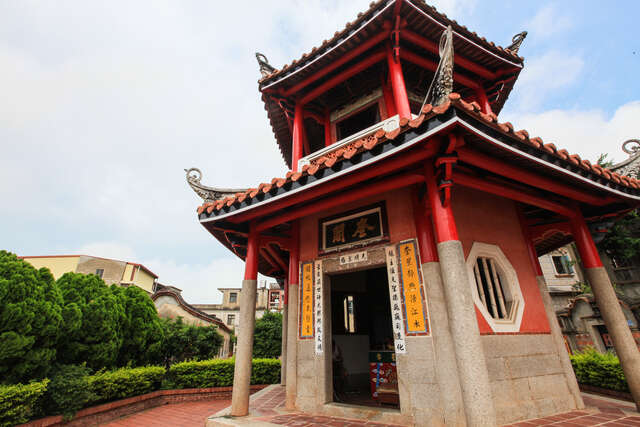
Image source: Taiwan_Opendata; license credits as shown.
Overview
Kuige, known locally in Kinmen as the "Kuixing Tower," is also called Kuigou or the Bagua Tower. It is a place of worship dedicated to Kuixing, one of the Five Wenchang deities in Chinese tradition. Because Kinmen was formerly not a county and therefore could not build a Confucius Temple, local people created this site so students would have a place to pray for good fortune before taking the imperial examinations. It was proposed by Lin Feizhang, a local notable from Houpu who had earned the degree of gongsheng, and he donated 1,000 taels of silver to fund its construction. The tower was built in 1836 during the 16th year of the Daoguang reign of the Qing dynasty at Tushan Head in Houpu, near what is now the Chen Shiyin Western-style house. It has a refined, rustic appearance and more than 180 years of history. Although it was renovated twice in 1955 and 1963, its original appearance was preserved, and it is listed as a county-designated historic site.
Highlights
Kuige (Kuixing Tower) is a traditional tower-style temple dedicated to Kuixing and to prayers for success in examinations. It is the only Kuixing Tower in Kinmen and is designated as a county-level historic site. Built during the Qing Daoguang period in the Tushan Head area of Houpu Old Street in Jincheng Township, it has a refined, rustic look, with a regular hexagonal plan and a double-eaved pyramidal roof, combining religious significance with historic architectural value. For local residents, Kuige is an important place for students to pray for exam success before tests, and it is a cultural landmark not to be missed while walking through the old street.
What to See
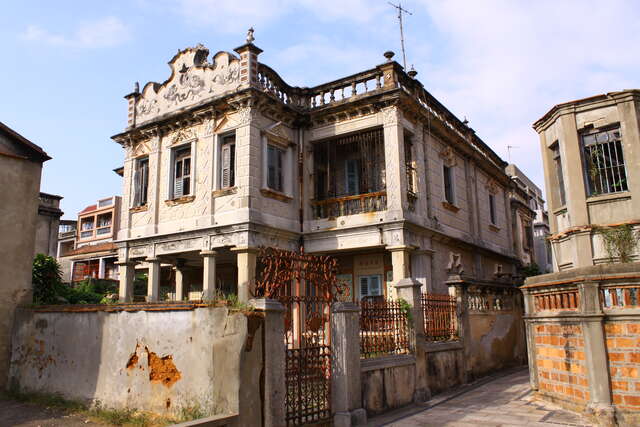
1. Main altar to Kuixing: Kuige primarily worships Lord Kuixing, one of the Five Wenchang deities. Many students come to burn incense before important exams and pray for smooth progress and peace of mind. 2. Regular hexagonal tower structure: The building has two stories and is about 10 meters tall. Its floor plan is a regular hexagon, and the facade is mainly made of wooden screens. The structure is simple and clear, showing the craftsmanship of traditional Minnan tower-style architecture. 3. Double-eaved pyramidal roof: The roof uses a double-eaved, pyramidal design. Its elegant lines and hexagonal plan make the overall appearance especially striking, making it a good subject for photos of architectural details and silhouettes. 4. Rustic wooden structural details: The main components, including columns, beams, and trusses, have been well preserved. Visitors can closely observe traditional timber construction methods, mortise-and-tenon joints, and traces of painted decoration, while feeling the accumulated texture of nearly two centuries of history. 5. Atmosphere around Houpu Old Street: Kuige is located in the Houpu Old Street area of Jincheng Township. The surrounding old-house cluster, Western-style mansions, and alley scenery are rich and varied, making it ideal for a walking route that lets visitors experience the traditional streetscape of Kinmen.
Address
In front of No. 43, Zhubu East Road, Jincheng Township, Kinmen County 893 Phone: (08)2328638
Travel Tips
1. Suggested visit time: Allow about 30 minutes to 1 hour for a general visit, including worship inside, taking photos, and strolling around the old street. 2. Worship and exam blessings: Simple offerings or incense are enough for a sincere prayer. Students may carry a copy of their admission ticket or a small note with their name and exam information to ask for Kuixing's blessing, subject to on-site rules. 3. Dress and etiquette: As this is a religious space, visitors should dress neatly and avoid revealing clothing. Keep your voice low while worshipping and respect local beliefs and other worshippers. 4. Photography and circulation: The exterior and surrounding area are excellent for photography. When taking pictures, do not block entrances or the worship route, and follow signs if any areas prohibit photography. 5. Best time to visit: Daytime offers better natural light for seeing the wooden structure and roof details. If your schedule is flexible, avoid long holiday periods and exam season crowds for a quieter visit. 6. Nearby attractions: Combine the visit with Houpu Old Street, nearby historic residences, and Western-style buildings to enjoy a walking route that reflects Kinmen's blend of commerce, streetscape, and religious culture. 7. Weather and safety: On rainy days, the ground and stone steps may be slippery, so wear non-slip shoes and watch your step. In summer, strong sunlight is common, so bring a hat and water.
Nearby Dining
The Houpu Old Street area has many local snack shops and traditional eateries. Within walking distance of Kuige, you can find places selling noodles, snacks, and drinks, making it convenient to sample Kinmen specialties and buy souvenirs before or after your visit.
FAQ
Q: Which deity is mainly worshipped at Kuige (Kuixing Tower)? A: Kuige (Kuixing Tower) mainly worships Lord Kuixing, the deity associated with literary success and examinations. Kuixing is one of the Five Wenchang deities, and many Kinmen students make a special trip here before important exams to pray for success and good fortune. It is an important local center for exam-related and study-related worship. Q: What are the architectural features of Kuige (Kuixing Tower)? A: Kuige (Kuixing Tower) is a traditional Minnan tower-style building with a regular hexagonal plan, two stories, and a double-eaved pyramidal roof. The structure is mainly timber, with a simple and clean screen-wall facade and column-and-beam framework. Its refined, rustic appearance combines religious function with historic architectural value, making it one of the representative sites for photographing traditional Kinmen architecture. Q: Why did Kuige (Kuixing Tower) become an important blessing site for exam takers in Kinmen? A: Kuige (Kuixing Tower) became an important blessing site for exam takers in Kinmen because Kinmen was not formerly a county-level administrative area, so a Confucius Temple could not be built there. Instead, a tower dedicated to Kuixing was constructed so scholars could pray for exam success. It was initiated by Lin Feizhang, who had earned the gongsheng degree, and he donated the funds to build Kuige during the Daoguang period of the Qing dynasty. Since then, it has become a place that Kinmen students traditionally visit before taking exams. Q: Is Kuige (Kuixing Tower) worth adding to a Kinmen itinerary? A: Kuige (Kuixing Tower) is well worth adding to a Kinmen itinerary, especially for travelers interested in historic architecture, religious culture, and old-street walks. It is not only a county-designated historic site but also the only Kuixing Tower in Kinmen. Located near Houpu Old Street and several historic buildings, it can easily be combined into a walking route with a rich cultural atmosphere.