Chen Shiyin Mansion
Taiwan · Kinmen County · 金城鎮 · Historic Sites
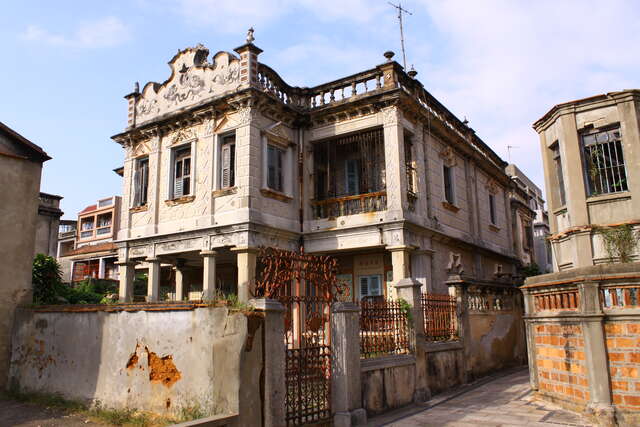
Image source: Taiwan_Opendata; license credits as shown.
Overview
Chen Shiyin Mansion was built in 1932 with an investment of 30,000 silver dollars by Chen Shiyin of Gaokeng, Kinmen, who made his fortune through business in Singapore and Indonesia after going abroad in 1903 during the late Qing dynasty. It was designated a county-level historic site in 2006.
Highlights
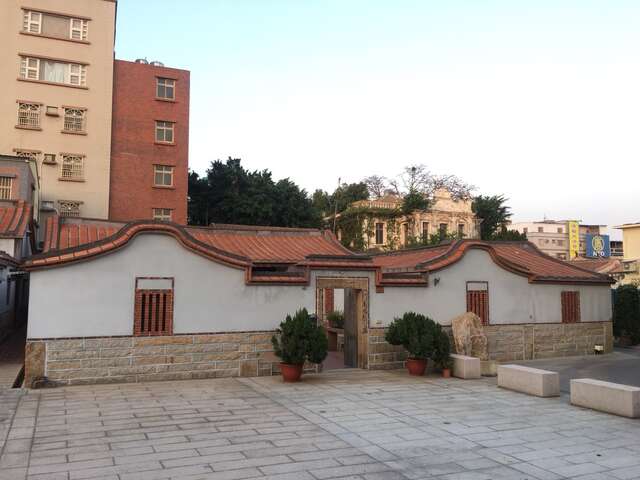
Chen Shiyin Mansion is a county-designated historic mansion that combines Chinese and Western styles and bears witness to the history of Kinmen’s overseas Chinese communities and the story of wealth earned in Nanyang. It was funded by Chen Shiyin of Gaokeng, Kinmen, who made his fortune through business in Singapore and Indonesia, and it reflects the prosperity and taste of Kinmen’s mansions during the era of overseas remittances. The building follows the typical “outward-projecting turtle-back mansion” layout, with brick walls and rubble-stone walls forming the structure, and a hard-gabled roof with exposed purlins. Its exterior blends a Western-style façade, colorful decorative tiles, and traditional Minnan ornamentation, with highly refined carved details. During wartime and the military administration period, the mansion served successively as quarters for military and government units and as teachers’ housing for Kinmen Senior High School. After weathering the decades, it is now preserved as a county-level historic site for its architectural and historical value.
What to See
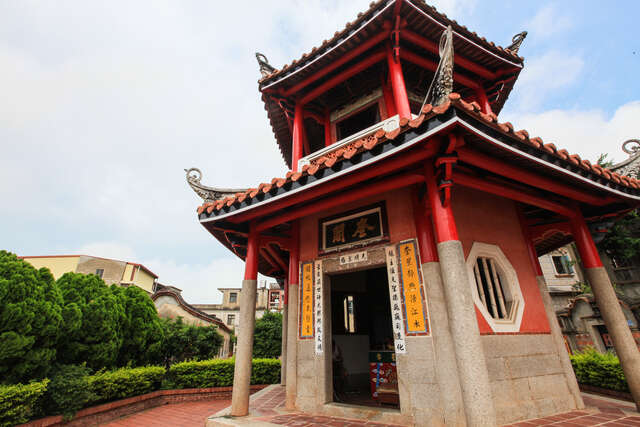
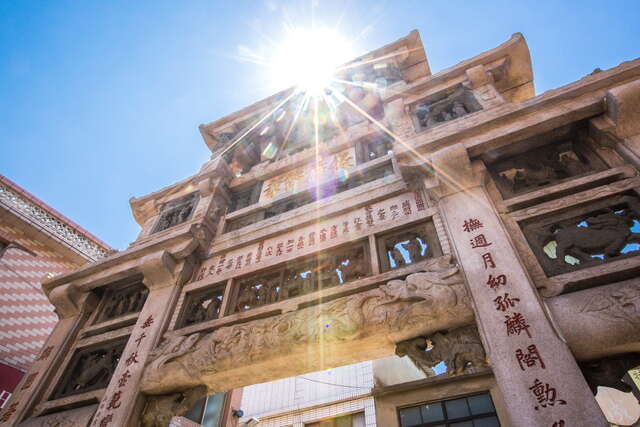
1. Main façade and outward-projecting turtle-back layout: The front façade of Chen Shiyin Mansion follows the traditional “outward-projecting turtle-back mansion” plan, with two connected sections front and back and two stories in height, giving it a grand presence. It is the best place for photos and for appreciating the scale and proportions of Kinmen mansions. The exterior combines a Western-style gable, column capitals, and traditional Minnan elements, creating the distinctive Sino-Western appearance typical of overseas Chinese mansions. 2. Glazed tiles and Western decorative tiles: The outer corridor walls are covered with glazed tiles decorated with floral and fruit motifs, and the walls also feature vividly colored Western-style tiles, making them one of the mansion’s most eye-catching decorative highlights. Visitors can view the patterns and colors up close and sense the homeowner’s taste and sense of fashion. 3. Stone-carved capitals and wall details: The wall columns of the mansion are covered with finely carved stone ornaments. From the capitals to the lintels, the craftsmanship is meticulous, reflecting the skill of traditional artisans and the status of the owner. Close inspection reveals different auspicious motifs and symbolic meanings, making it ideal for slow observation and photography. 4. Bamboo-joint shaped exposed drainage pipes: On the side walls, the building has exposed ceramic drainage pipes shaped like bamboo joints, combining practicality and aesthetics. This is a distinctive feature of the mansion. Such exposed drainage systems are quite representative of Kinmen mansions and are worth noticing. 5. Bullet holes and defensive features in the walls: The walls preserve bullet holes and other defensive features, reflecting Kinmen’s strategic location and turbulent times, when residential buildings also had to serve defensive purposes. Travelers interested in military and war-zone culture may especially want to look for these details. 6. Inscribed plaques, couplets, and window lattice texts: The main gate bears the inscription “Thirty years of dedication, yet still seeking Dutton; a hundred-foot tower, yielding to Yuanlong,” and the window lattices also feature phrases such as “A gentleman is cautious in solitude,” “Elegant feelings above the clouds,” “Ambitious thoughts flying with the wind,” and “A fortunate person speaks little.” These reveal the owner’s scholarly background and emphasis on moral cultivation. Reading these inscriptions helps visitors better understand the life outlook of a man who rose from schoolteacher to wealthy overseas merchant. 7. Nearby historic-site walking route: The mansion is located in the Houbu East Gate area of Jincheng Township, across the lane from the Grade III historic site Kui Pavilion, and close to historic buildings such as Xu Mansion. It is an unmissable stop when strolling through Jincheng Old Street and the Houbu settlement. This district has dense lanes and many old houses, making it ideal for a walking route that connects multiple historic sites.
Address
No. 44, Zhupu East Road, Jincheng Township, Kinmen County 893 Tel: (08)2328638
Travel Tips
The most comfortable seasons to visit Chen Shiyin Mansion are usually autumn, winter, and early spring, when the weather is cooler and the visibility is clearer, making it suitable for walking around Jincheng Old Street and the various mansion-style historic sites. In summer, sunlight is strong and temperatures are higher, so it is best to avoid midday; mornings or evenings offer softer light and better photo conditions. Because the mansion is located in the urban area of Jincheng Township and the Houbu district, with many narrow lanes nearby, it is better to travel on foot combined with buses, taxis, scooters, or bicycles rather than driving, since that makes it easier to move through the old streets. If you drive, it is recommended to park in a public parking area around Jincheng first, then walk into the lanes to visit the historic sites. For the visit, lightweight clothing and comfortable walking shoes are recommended, as they make it easier to move along stone-paved roads and through lanes, and they are also better for photography. Bring drinking water, a sun hat, or rain gear to cope with Kinmen’s changeable island weather. Chen Shiyin Mansion was long used as teachers’ housing and was once in need of repair, so some areas may still be under maintenance or restricted. On-site opening status and guided services should be checked against the latest official announcements from the Kinmen County Cultural Affairs Bureau and Kinmen tourism authorities. It is advisable to confirm the latest information before planning your trip. A visit can be combined with nearby Kui Pavilion, Xu Mansion, and Jincheng Old Street to make up a half-day to one-day cultural walking route in Jincheng, allowing you to experience Kinmen’s overseas Chinese heritage and wartime history more deeply. If you are especially interested in mansion architecture and overseas Chinese culture, leave enough time to observe the architectural details slowly and take photos.
Nearby Dining
Chen Shiyin Mansion is located in the Houbu urban area of Jincheng Township, within walking distance of Jincheng Old Street and the surrounding commercial district. The area has many local snack stalls and tea shops, making it a convenient base for tasting Kinmen cuisine. Travelers can choose nearby noodle shops, traditional snack stalls, or coffee and tea cafes before or after visiting the mansion and nearby historic sites, and enjoy the relaxed atmosphere of the old streets. For specific shops and signature dishes, it is best to check local opening conditions and personal preferences on site or in advance.
FAQ
Q: Where is Chen Shiyin Mansion, and how do I get there? A: Chen Shiyin Mansion is located in the urban lanes of the Houbu East Gate area of Jincheng Township, Kinmen County, close to Kui Pavilion and Jincheng Old Street, so it is very convenient to reach. From Kinmen Airport or the port, you can take a bus, taxi, or drive to Jincheng Township, then walk or ride a scooter or bicycle into the lanes to arrive. If you drive, it is recommended to park in a lot around Jincheng and then walk in. Q: What architectural features of Chen Shiyin Mansion are worth seeing? A: The mansion’s main feature is its outward-projecting turtle-back layout and Sino-Western decorative style, including glazed floral and fruit tiles, Western-style colorful tiles, refined stone carving, and bamboo-joint shaped exposed drainage pipes. Bullet holes and defensive features on the walls also reflect Kinmen’s wartime background, making it a rare example of the intersection of overseas Chinese mansion culture and military history. It is especially suitable for travelers who enjoy photography and architecture. Q: About how long does a visit take, and what nearby attractions can be paired with it? A: Most visitors spend about 30 minutes viewing the exterior and surrounding area of Chen Shiyin Mansion. If you want to study the architectural details and take photos, allow more time. Since the mansion is located in the Houbu area of Jincheng Township, it is recommended to combine it with nearby attractions such as Kui Pavilion, Xu Mansion, and Jincheng Old Street as part of a walking cultural route. This lets you experience the mansion atmosphere, Minnan traditional architecture, and the life of the old streets at the same time. Q: What is the historical background of Chen Shiyin Mansion? A: Chen Shiyin Mansion was built around 1932 by Chen Shiyin of Gaokeng, Kinmen, after he made his fortune through business in Singapore and Indonesia and returned home. It is an overseas Chinese mansion and was designated a county-level historic site in 2006. Chen Shiyin had originally been a private-school teacher and went to Nanyang to do business in 1903. He died before the mansion was completed; afterward, it was used as housing for military and government units and for teachers of Kinmen Senior High School during the wartime and military administration periods, witnessing the many layers of Kinmen’s overseas Chinese, wartime, and educational history.