Korean War Memorial
South Korea · Seoul · Yongsan District · Museums, Culture & Arts
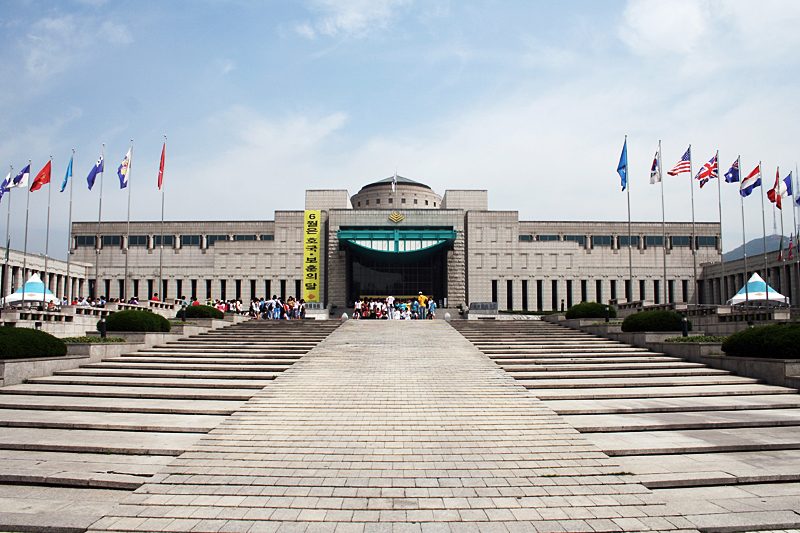
Image source: Wikimedia Commons; license credits as shown.
Overview
The Korean War Memorial is a national military-themed museum located in Yongsan-dong, Yongsan District, Seoul, focusing on the history of wars and military development on the Korean Peninsula from ancient times to the present. The museum is divided into indoor exhibition halls and a vast outdoor military display area, making it an important site for understanding the Korean War and modern Korean history, as well as experiencing military culture and peace education.
Getting There
The most convenient way to reach the Korean War Memorial is to take the subway to Line 4 or Line 6 to 'Samgakji Station', and walk about 3 to 5 minutes from Exit 11 or 12. The address is 29 Itaewon-ro, Yongsan-gu, Seoul (the land name address is 8, 1-gil, Yongsan-dong), and it is also very convenient to take a bus or taxi to the nearby areas of Yongsan and Itaewon.
Highlights
The Korean War Memorial is one of the largest war-themed memorials in the world, providing a comprehensive overview of 5,000 years of war and military development on the Korean Peninsula. The museum focuses on the Korean War and modern warfare, while emphasizing the values of peace and unification through exhibitions and experiential facilities, carrying strong educational and commemorative significance. The expansive outdoor exhibition area displays large military equipment such as tanks, aircraft, and artillery boats, complemented by symbolic sculptures like the 'Brothers Statue' and the 'Korean War Memorial', creating a profound and impactful visitor experience.
What to See
1. Indoor Permanent Exhibition Area: Divided into the National Defense Remembrance Room, War History Room, 6.25 Korean War Room, Overseas Deployment Room, National Army Development Room, and Large Equipment Room, showcasing over 10,000 artifacts and multimedia materials that systematically introduce the history of Korean warfare from prehistoric times to the present. 2. Outdoor Military Display Area: A large lawn displays various tanks, fighter jets, helicopters, missiles, and naval vessels, allowing visitors to take close-up photos and observe, making it a favorite area for families and military enthusiasts. 3. 'Brothers Statue' and Commemorative Sculptures: The 'Brothers Statue' in front of the museum symbolizes the brotherhood between North and South during the Korean War, along with various Korean War and national defense memorials, expressing mourning for the fallen and a desire for peace. 4. Main Building and Commemorative Square: Composed of a solemnly symmetrical stone structure and a large square, the exterior is grand and dignified, surrounded by flags and fountains, making it the best spot for commemorative photos. 5. Multimedia and Experiential Facilities: The museum features a battlefield experience room, screening room, and interactive displays, enhancing understanding of the Korean War and modern military through videos, sound and light effects, and simulated spaces. 6. Ceremonial and Military Music Performances (seasonal): Ceremonial and military music performances by the national army are held on certain Friday afternoons from April to June and October to November each year, allowing visitors to experience military ceremonial culture up close.
Hours & Admission
General admission to the Korean War Memorial is free for regular exhibitions, with only some special exhibitions or planned exhibitions possibly charging a fee. Opening hours are from Tuesday to Sunday, 09:30 to 18:00, with entry stopping about one hour before closing; the museum is closed every Monday, but if Monday is a public holiday, it will remain open and close the following day instead. The outdoor spaces of the museum are mostly open during most hours, but some areas may be adjusted according to the season or museum arrangements, so it is recommended to check the official website for the latest announcements before visiting.
Address
04353 29 Itaewon-ro, Yongsan-gu, Seoul, South Korea (Land name: 8, 1-gil, Yongsan-dong)
Travel Tips
It is recommended to allocate at least 2 to 3 hours for visiting the Korean War Memorial. If you want to carefully read the exhibition panels and experience the multimedia facilities, planning a half-day itinerary would be more comfortable. The text explanations in the museum are primarily in Korean, with some exhibition areas providing English and other language explanations, while Chinese guidance information is limited. If you are not familiar with the history of the war, it is advisable to prepare background information or use the audio guide service. The museum is equipped with elevators and accessible facilities, and offers wheelchair rental services, making it relatively friendly for travelers with mobility issues. The spring and autumn seasons have pleasant weather and more outdoor ceremonial performances, making them the most recommended times to visit; during the summer and winter, be mindful of sun protection and warmth when staying in outdoor areas. The memorial is close to the Itaewon and Yongsan shopping districts, allowing for a convenient cultural walking itinerary that can include the National Museum of Korea, attractions around Namsan-dong, or the Itaewon food street.
Nearby Dining
There are cafes and light meal options inside and around the Korean War Memorial, where you can rest and recharge before or after your visit. A 10 to 15-minute walk will take you to the Itaewon area, which is home to a variety of international cuisines and popular cafes, ranging from Korean barbecue and spicy stir-fried chicken to Middle Eastern, Japanese, and Western restaurants, making it perfect for lunch or dinner. There are also several local restaurants and fast-food outlets near Samgakji Station for quick meals before continuing your itinerary.
FAQ
Q: Is there an admission fee for the Korean War Memorial? A: General admission to the Korean War Memorial is free for regular exhibitions, with only some special exhibitions possibly charging additional fees. Visitors can freely explore the permanent exhibitions and most outdoor displays, making it one of the few museums in Seoul that combines scale with free admission advantages. Q: What are the opening hours and closing days of the Korean War Memorial? A: The Korean War Memorial is open from Tuesday to Sunday, 09:30 to 18:00, with entry stopping about one hour before closing. It is closed every Monday, but if Monday is a public holiday, it will remain open and close the following day. Opening hours may be slightly adjusted during holidays or special events, so it is advisable to check official information again before departure. Q: How do I take public transportation to the Korean War Memorial? A: The most convenient way to reach the Korean War Memorial is to take subway Line 4 or Line 6 to 'Samgakji Station', and walk about 3 to 5 minutes from Exit 11 or 12 to reach the museum entrance. The address is 29 Itaewon-ro, Yongsan-gu, and it is quite convenient to transfer from Itaewon, Yongsan Station, or Myeongdong, Seoul Station to the subway. Q: Is the Korean War Memorial suitable for visiting with children? A: The Korean War Memorial is quite suitable for family visits, with large tanks and aircraft displays outdoors, and interactive experience rooms and multimedia exhibitions indoors, allowing for a more engaging way to learn about history. However, some war images and content may be heavy, so parents can guide and explain according to the children's age and understanding. Q: Do I need to make a reservation or join a guided tour to visit the Korean War Memorial? A: Individual travelers generally do not need to make a reservation in advance to visit the Korean War Memorial and can enter directly during opening hours. However, for large groups or those wishing to use specific guided tours and educational programs, it is recommended to inquire about reservation methods in advance through the official website or by phone.