Kumho Museum of Art
South Korea · Seoul · Landmarks
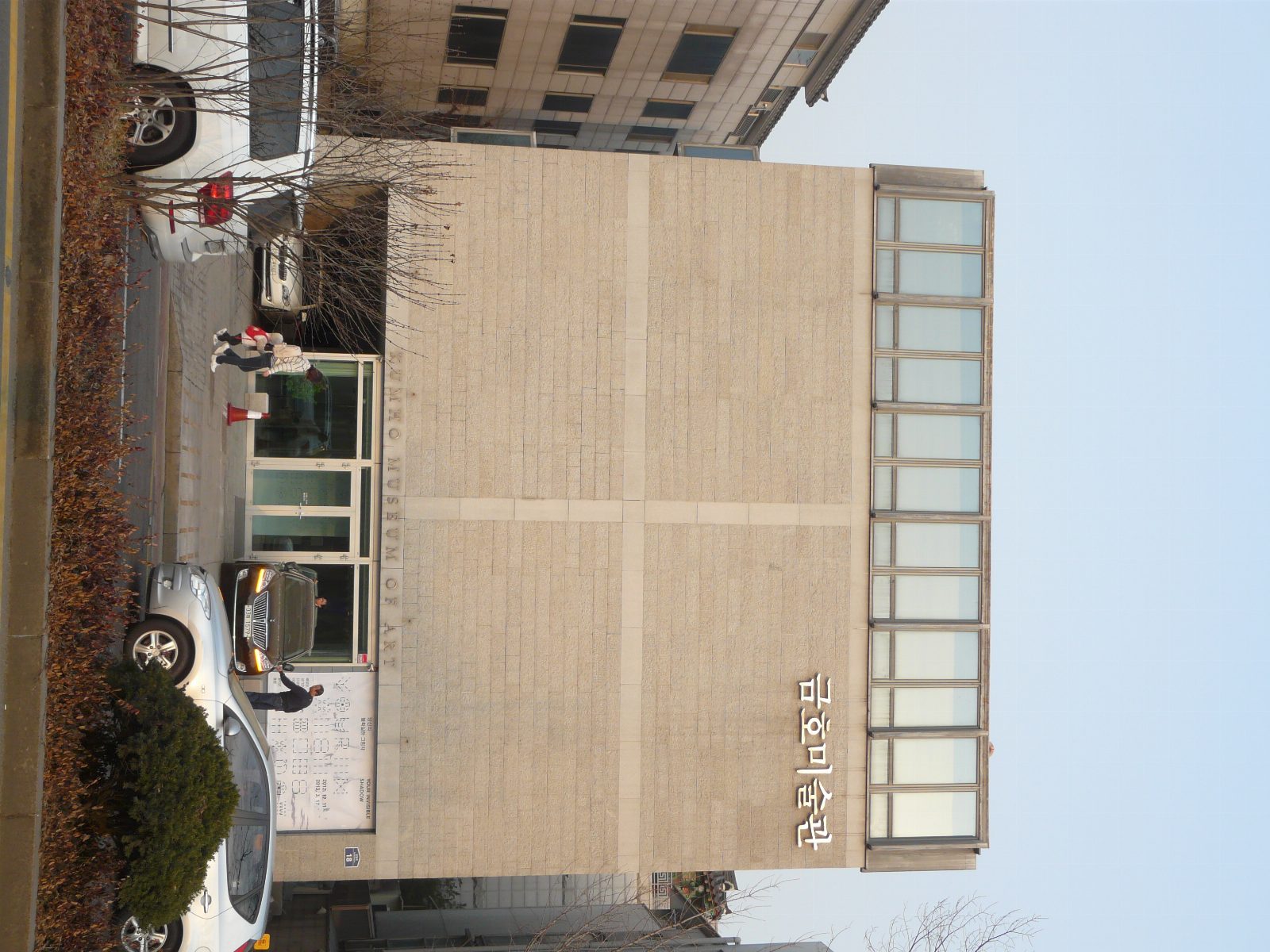
Image source: Wikimedia Commons; license credits as shown.
Overview
The Kumho Museum of Art is a modern and contemporary art museum located on Samcheong-ro in the Jongno District of Seoul, adjacent to the eastern side of Gyeongbokgung Palace and the Samcheong-dong arts and culture district. Founded by the Kumho Cultural Foundation, it began as the Kumho Gallery in 1989 and was expanded and relocated to its current site in 1996, with a core mission to support outstanding young Korean artists and promote contemporary art. In addition to permanent and special exhibitions, the museum features a chamber music hall, a café, and an art shop, creating a small yet refined cultural space that combines exhibitions and performances.
Getting There
The most convenient way to reach the Kumho Museum of Art is by taking the Seoul Metro. From Line 3, you can walk about 7 to 10 minutes from Anguk Station or Gyeongbokgung Station to the Samcheong-ro area, and then walk along Samcheong-ro towards the eastern side of Gyeongbokgung Palace to find the museum. Alternatively, you can take a bus that stops near Gyeongbokgung Palace or Samcheong-dong, and walk a few minutes to reach the museum.
Highlights
The Kumho Museum of Art is a professional museum focused on modern and contemporary art, renowned for discovering and supporting promising young Korean artists. Since 2004, the museum has provided a platform for creators through the 'Kumho Young Artist' program, continuously monitoring their professional development. Located to the east of Gyeongbokgung Palace, near Samcheong-dong and the National Museum of Modern and Contemporary Art, Seoul, the museum is an ideal starting point for strolling through Seoul's arts and culture district. The building was designed by an international architectural firm, with some floors partially underground to comply with the height restrictions of the historical palace district. Its exterior, featuring stone materials and banded windows, echoes the ancient palace walls across the street, presenting a low-key yet modern style. The museum's layout includes: the basement level primarily showcasing emerging and experimental works, the first and second floors hosting special and invited exhibitions, and the third floor featuring the small Kumho Recital Hall for chamber music and solo performances, creating a multifaceted cultural space that combines exhibitions and performances. The first floor also includes a café and an art shop, which often remain open even on exhibition closure days, providing visitors with a place to rest and purchase creative products.
What to See
Basement Exhibition Hall: Mainly displays works by emerging and young artists, often featuring experimental materials, installation art, and photography, making it suitable for travelers interested in observing new trends in Korean contemporary art. First Floor Exhibition Hall: A bright exhibition space facing the street, often hosting annual special exhibitions or those related to the Kumho Young Artist program, allowing visitors to closely appreciate contemporary paintings and sculptures. Second Floor Exhibition Hall: Primarily features curator-led thematic exhibitions and invited exhibitions from both domestic and international artists, with content ranging from retrospectives of important Korean artists to cross-media group exhibitions, with frequent changes in exhibition periods. Third Floor Kumho Recital Hall: A small concert hall accommodating about 170 people, known for its professional sound design and rigorous programming, frequently hosting chamber music, solo concerts, and performances by emerging musicians. The building's exterior and surroundings: The museum is located on Samcheong-ro, facing the eastern side of Gyeongbokgung Palace and the palace wall view, with a stone façade and banded window design echoing the ancient palace style. Visitors can enjoy a stroll along the palace wall and the café street in Samcheong-dong before or after their visit.
Hours & Admission
The exhibition hours at the Kumho Museum of Art are generally during the daytime. For detailed opening hours, exhibition periods, and any public holiday arrangements, it is recommended to check the official website before your visit. Ticket prices vary depending on the nature of the exhibition and collaborating organizations; some special exhibitions or joint exhibitions may charge separately or offer discounts for students and seniors, so please refer to the latest information on-site and on the official website. Due to the possibility of certain exhibitions or the entire museum being temporarily closed for schedule changes, renovations, or special circumstances, it is advisable to confirm the latest opening status before planning your visit.
Address
18 Samcheong-ro, Jongno-gu, Seoul, South Korea
Travel Tips
The Kumho Museum of Art is located near the eastern side of Gyeongbokgung Palace and the Samcheong-dong arts and culture district, making it ideal to arrange a half-day or full-day walking itinerary that includes Gyeongbokgung Palace, the National Museum of Modern and Contemporary Art, Seoul, and the café street in Samcheong-dong. Since the exhibitions focus on modern and contemporary art, some works may lean towards conceptual or experimental styles. If you wish to understand them more easily, it is recommended to request an exhibition guide or check if there are Chinese and English summaries available. The museum is not very large, and a typical visit takes about 1 to 1.5 hours; if combined with a stroll around the area and a stop at a café, it is advisable to allocate 2 to 3 hours for a more relaxed experience. The third-floor Kumho Recital Hall occasionally hosts ticketed concerts; travelers interested in classical or chamber music can check performance information in advance and reserve seats to experience the atmosphere of a small professional concert hall. The streets around Samcheong-ro have many slopes and stone-paved paths, so it is recommended to wear comfortable shoes. In summer, be mindful of sun protection and hydration, while in winter, pay attention to walking safety due to icy surfaces. During certain periods, some platforms may indicate that the museum is 'temporarily closed' or undergoing operational adjustments; the actual opening status should be confirmed through official announcements before departure.
Nearby Dining
The first floor of the Kumho Museum of Art features a café where visitors can enjoy light meals, coffee, and rest before or after their visit in a quiet atmosphere. The surrounding areas of Samcheong-dong and Insadong have many cafés, dessert shops, Korean restaurants, and fusion cuisine restaurants, catering to various needs from light snacks and coffee to formal meals. Walking south leads to the main street of Insadong, where traditional Korean set meals, street snacks, and tea houses can be found, making it a great place to experience Korean culinary culture; heading west brings you closer to Gyeongbokgung Station, where more chain cafés and casual dining options are available. As both tourists and locals love to visit Samcheong-dong and Insadong, restaurants can get crowded on weekends and holidays, so it is advisable to avoid peak hours or make reservations at popular spots.
FAQ
Q: What types of works are mainly exhibited at the Kumho Museum of Art? A: The Kumho Museum of Art mainly exhibits modern and contemporary art, with a focus on supporting the creations of emerging and young Korean artists. The exhibition content includes contemporary painting, sculpture, photography, installation, and mixed media, and continues to discover promising creators through programs like 'Kumho Young Artist.' The museum also periodically holds invited exhibitions and thematic curations featuring well-known artists from both domestic and international backgrounds, making it suitable for travelers interested in the development of contemporary art in Korea. Q: How do I get to the Kumho Museum of Art from the Seoul Metro? A: The most common way to reach the Kumho Museum of Art is to take Line 3 of the Seoul Metro to Anguk Station or Gyeongbokgung Station, and walk about 7 to 10 minutes to the museum on Samcheong-ro. From Anguk Station, you can walk uphill towards Insadong and Samcheong-dong, while from Gyeongbokgung Station, you can cross the eastern side of Gyeongbokgung Palace to connect to Samcheong-ro, with clear signs and art galleries and cafés along the way. If you prefer not to walk too much, you can also take a taxi from the metro station to 'Kumho Museum of Art, 18 Samcheong-ro,' which takes just a few minutes. Q: How much time should I allocate for visiting the Kumho Museum of Art? A: A visit to the Kumho Museum of Art typically takes about 1 to 1.5 hours, depending on the scale of the current exhibition and individual stay time. If combined with a stroll through the Samcheong-dong area, visiting the nearby National Museum of Modern and Contemporary Art, Seoul, or Gyeongbokgung Palace, and dining or resting at nearby cafés, it is advisable to allocate more than 2 to 3 hours for a leisurely experience. If you also plan to attend a concert at the third-floor Kumho Recital Hall, the overall itinerary can extend to half a day or even a full day. Q: Is the Kumho Museum of Art currently open, and will it temporarily close? A: The opening status of the Kumho Museum of Art may vary depending on exhibition schedules, renovations, or operational adjustments. Some travel platforms have indicated 'temporarily closed,' but the actual situation should be confirmed through official announcements. It is recommended to check the Kumho Museum of Art's official website or call ahead to confirm current exhibitions, opening hours, and any temporary closure arrangements to avoid disappointment. If the entire museum is closed, nearby attractions such as the National Museum of Modern and Contemporary Art, Seoul, Gyeongbokgung Palace, and the Samcheong-dong area can be alternative options for your itinerary. Q: Does the Kumho Museum of Art offer Chinese or English guided tours? A: The exhibition descriptions at the Kumho Museum of Art are primarily in Korean, and some exhibitions may provide English summaries or signage. Whether Chinese information is available depends on individual exhibitions and collaborating organizations. Currently, public information does not clearly list fixed Chinese guided services, so if there are language needs, it is advisable to inquire in advance through the official website or email to confirm if multilingual guides or audio guides are available. If formal guided tours are not available, visitors can rely on English descriptions in the exhibition space, exhibition brochures, or independently research information about the artists and works to aid understanding.