Gyeongbokgung Palace
South Korea · Jongno District · Landmarks
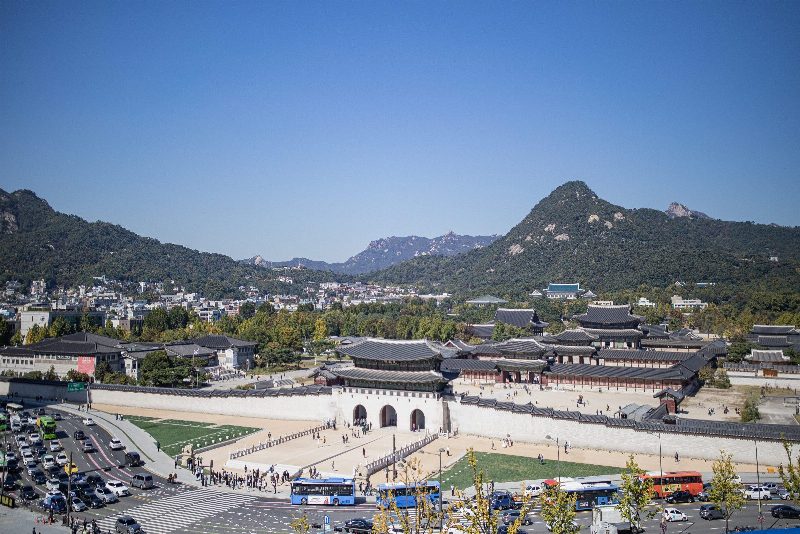
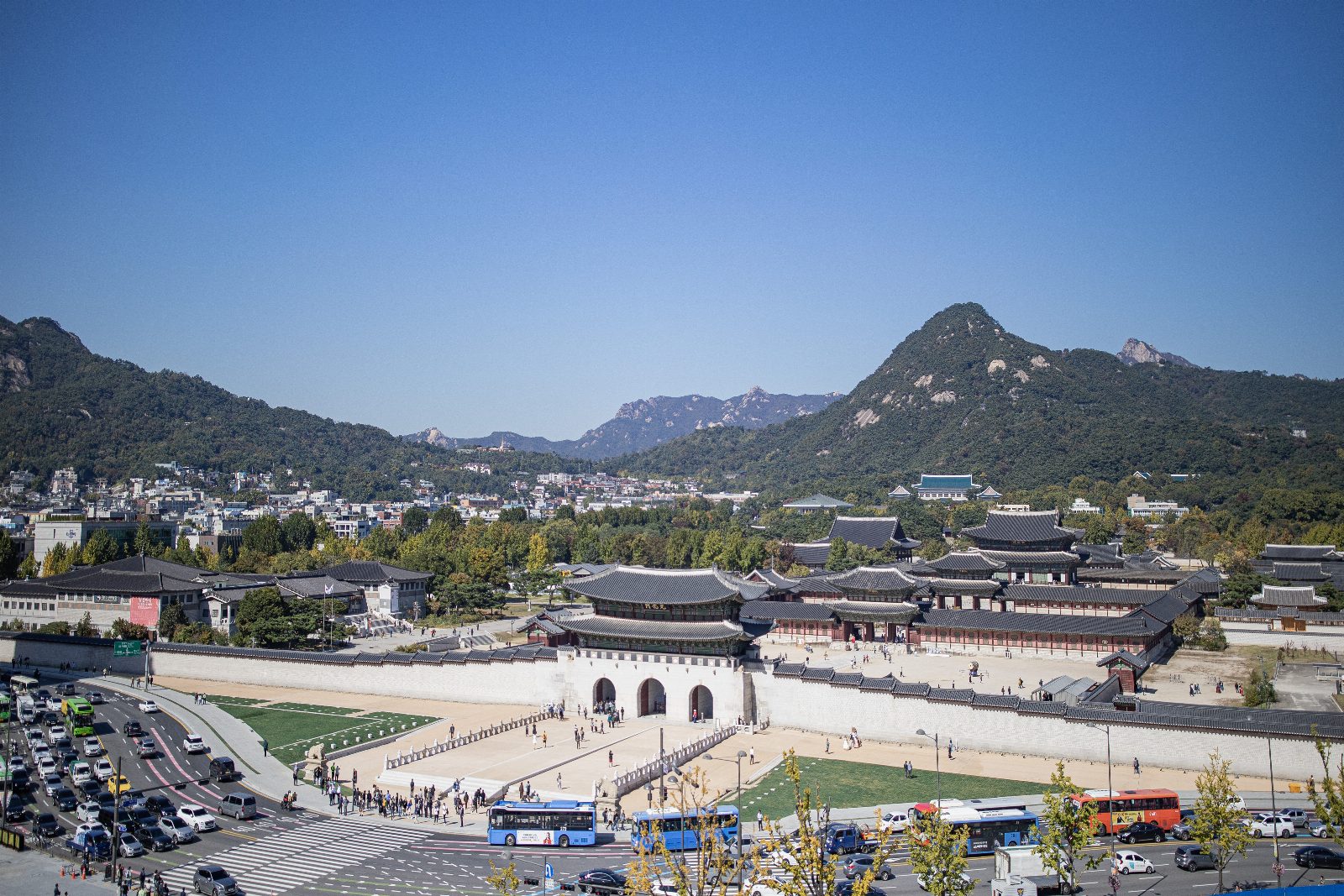
Image source: Wikimedia Commons; license credits as shown.
Overview
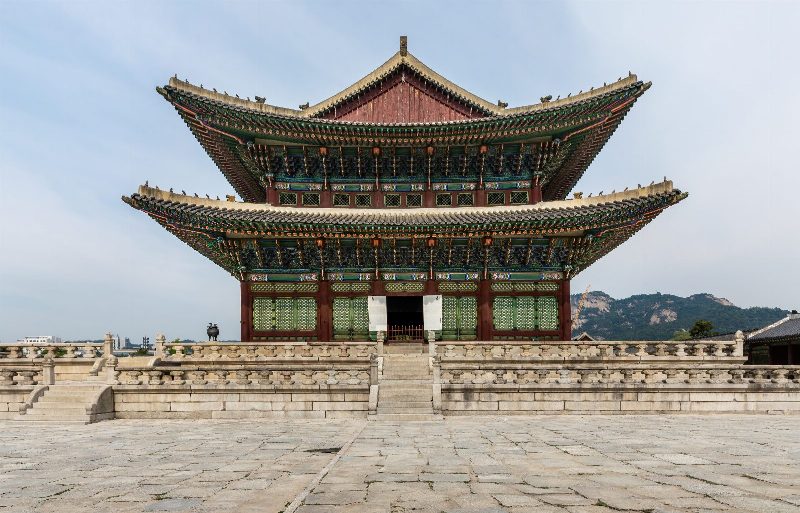
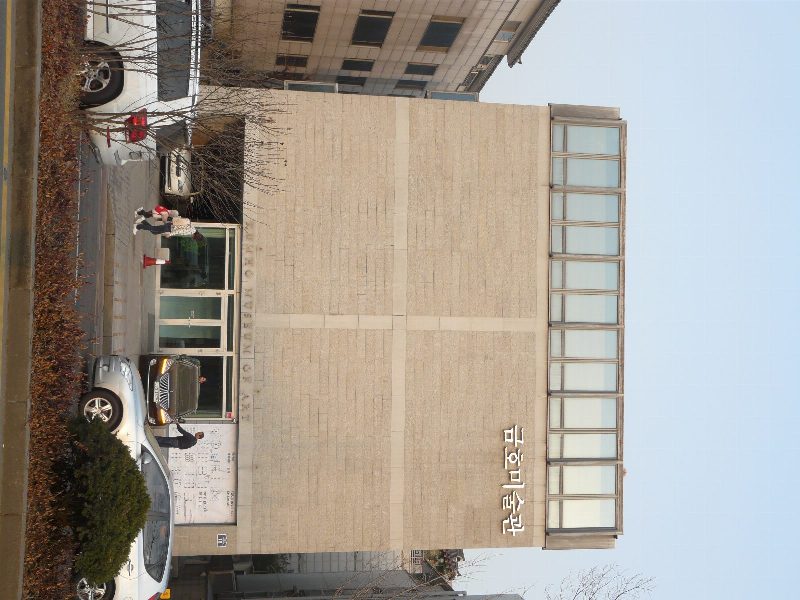
Gyeongbokgung Palace is the main royal palace of the Joseon Dynasty located in the Jongno District of Seoul. Built in 1395, it sits on a vast terrain south of Bukaksan Mountain and is one of the most representative palaces in Korea. The palace retains significant historical monuments such as Gyeonghoeru Pavilion and Hyangwonjeong Pond, and visitors can also explore the National Palace Museum of Korea and the National Folk Museum of Korea nearby.
Getting There
Take Seoul Metro Line 3 to Gyeongbokgung Station, exit 5, and walk to the palace; you can also reach it from Anguk Station, exit 1.
Highlights
The main palace of the Joseon Dynasty, built in 1395, is one of Seoul's most iconic historical landmarks. The layout of Gwanghwamun and the wide palace grounds showcase the historical pattern of the core of Hanyang. Gyeonghoeru Pavilion, Hyangwonjeong, and the throne hall are the most notable monuments within the grounds. Visitors can also explore the National Palace Museum of Korea and the National Folk Museum to learn about Korean court and folk culture.
What to See
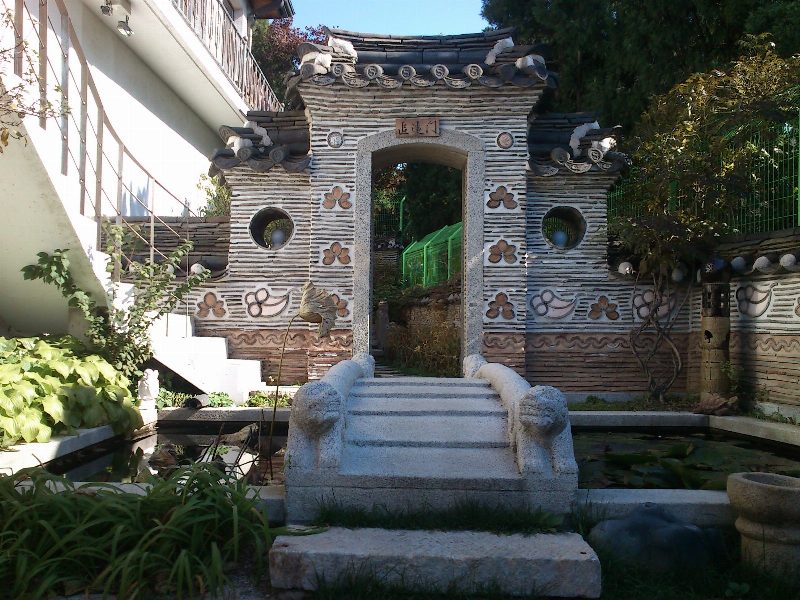
Gwanghwamun: The main gate of Gyeongbokgung Palace, also the primary entrance and a popular spot for watching the guard ceremony. Geunjeongjeon: The main hall of the Joseon Dynasty, featuring a platform and carvings that showcase the art of palace architecture. Gyeonghoeru Pavilion: A representative pavilion within the palace, often symbolizing banquet scenes. Hyangwonjeong and the lotus pond: A well-preserved garden landscape, ideal for photography and leisurely walks. National Palace Museum of Korea and National Folk Museum of Korea: Located near the west side of Heungnyemun and east side of Hyangwonjeong, respectively.
Hours & Admission
Opening hours vary by season, typically open daily with closure on Tuesdays; actual hours are subject to official announcements. The reference ticket price is 3,000 KRW for adults, free for children under 6 and seniors over 65, and free entry for those wearing hanbok. The last Wednesday of each month is Culture Day, usually allowing free entry. The guard change ceremony and public training of the guard are adjusted according to the schedule and weather, commonly occurring multiple times in the morning and afternoon.
Address
161, Sajik-ro, Jongno-gu, Seoul.
Travel Tips
Spring and autumn are the best seasons to visit, with comfortable weather ideal for photographing the palace and gardens. To avoid crowds, it is recommended to visit right after opening in the morning and allocate at least 1 to 2 hours. Wearing hanbok for the visit allows free entry, which is a popular experience among travelers. You can also plan to visit Gwanghwamun Square, Anguk area, and Samcheong-dong for a smooth itinerary.
Nearby Dining
There are many Korean restaurants, cafes, and tea houses around Gyeongbokgung Palace, all within walking distance for dining options. The area around Anguk Station and Samcheong-dong offers more dining choices, suitable for meals and relaxation after your visit.
FAQ
Where is Gyeongbokgung Palace? Gyeongbokgung Palace is located at 161, Sajik-ro, Jongno-gu, Seoul, and is the main palace of the Joseon Dynasty. How to get to Gyeongbokgung Palace? Take Metro Line 3 to Gyeongbokgung Station, exit 5, or walk from Anguk Station, exit 1. Is there an admission fee for Gyeongbokgung Palace? The ticket price for adults is 3,000 KRW, and some groups and those wearing hanbok can enter for free. When is Gyeongbokgung Palace closed? It is usually closed on Tuesdays, and the schedule may be adjusted during national holidays, so check official information before your visit.