Luzutang Site of the Boxer Rebellion
China · Hongqiao District · Landmarks
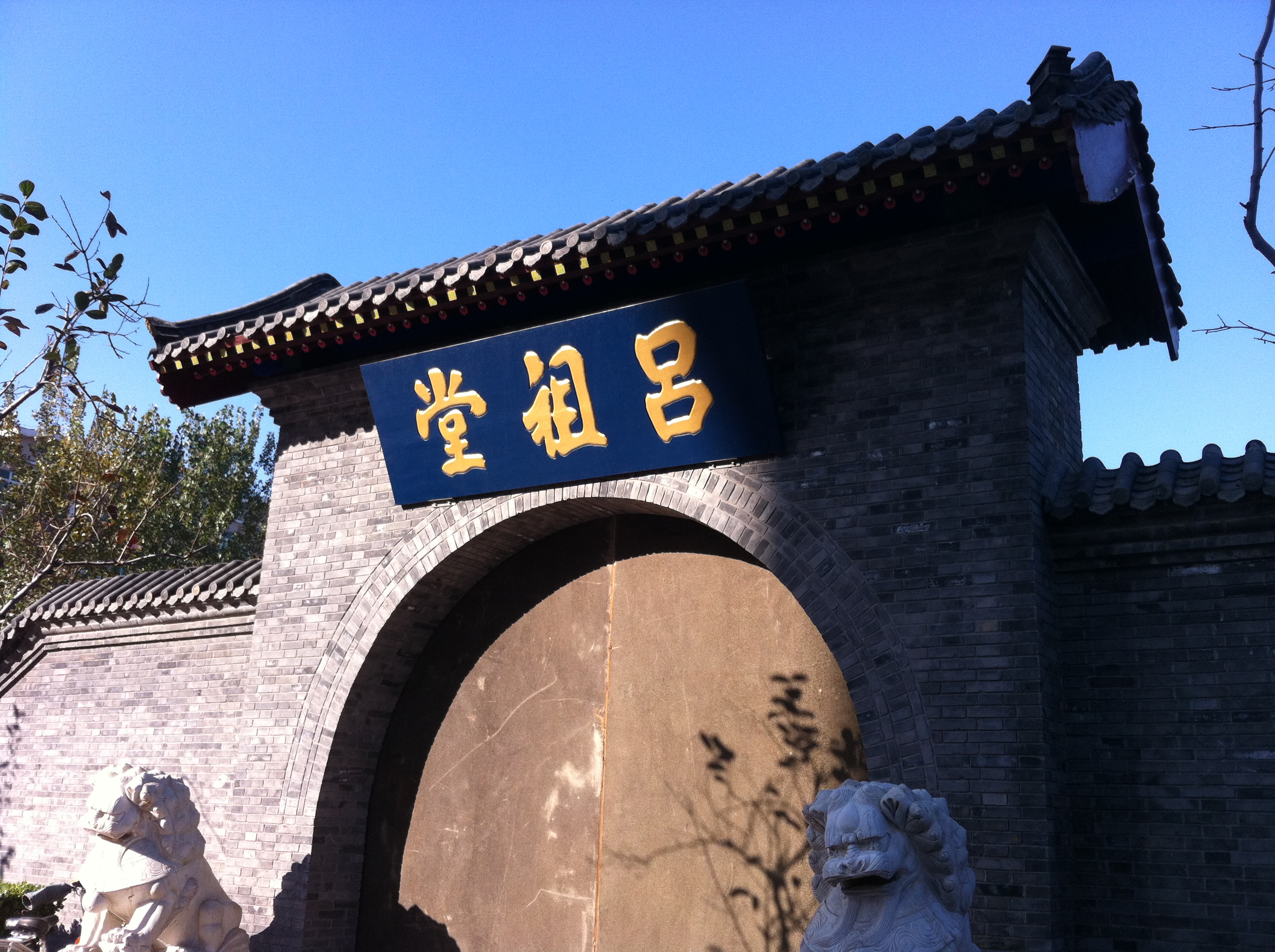
Image source: Wikimedia Commons; license credits as shown.
Overview
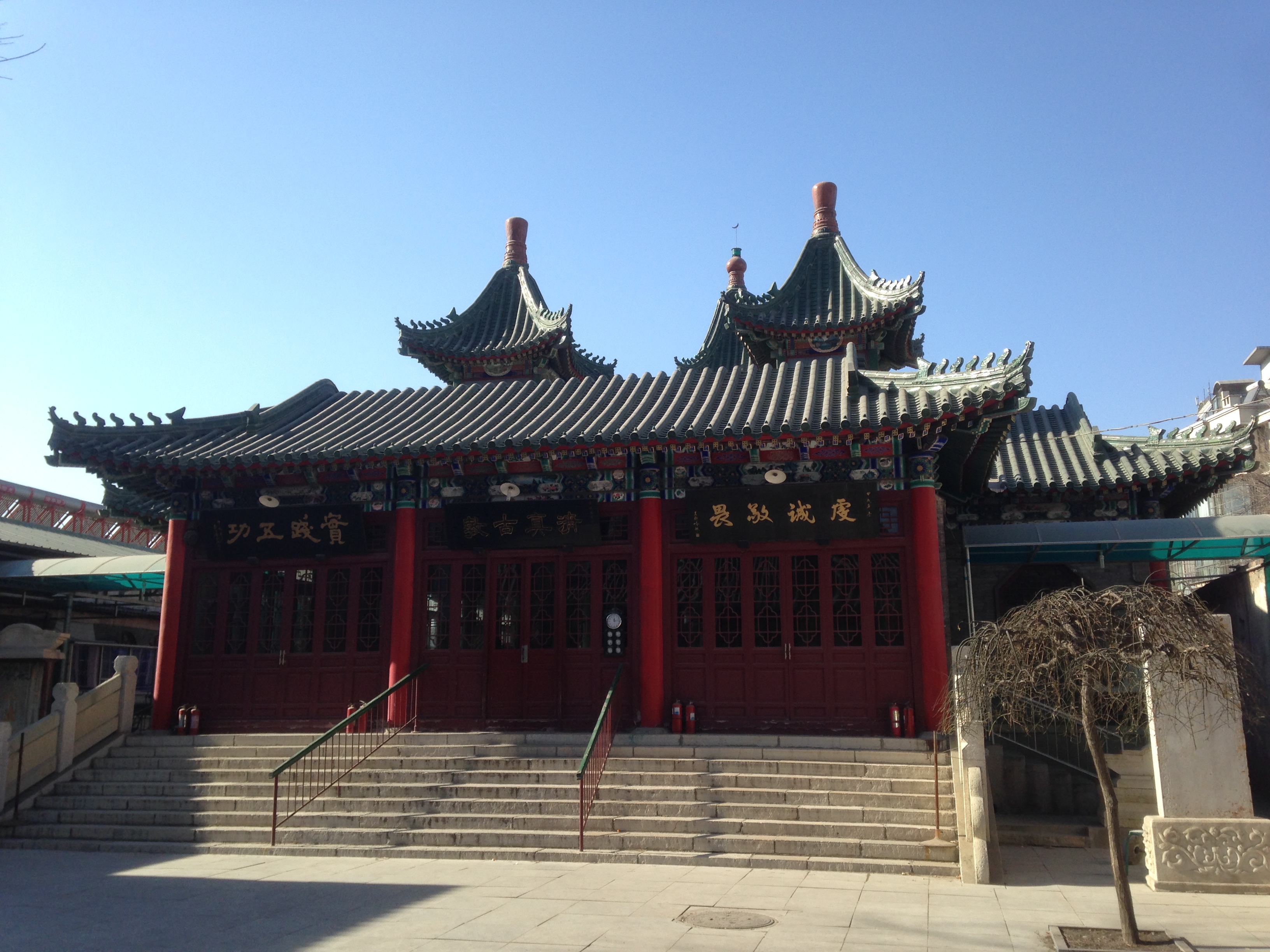
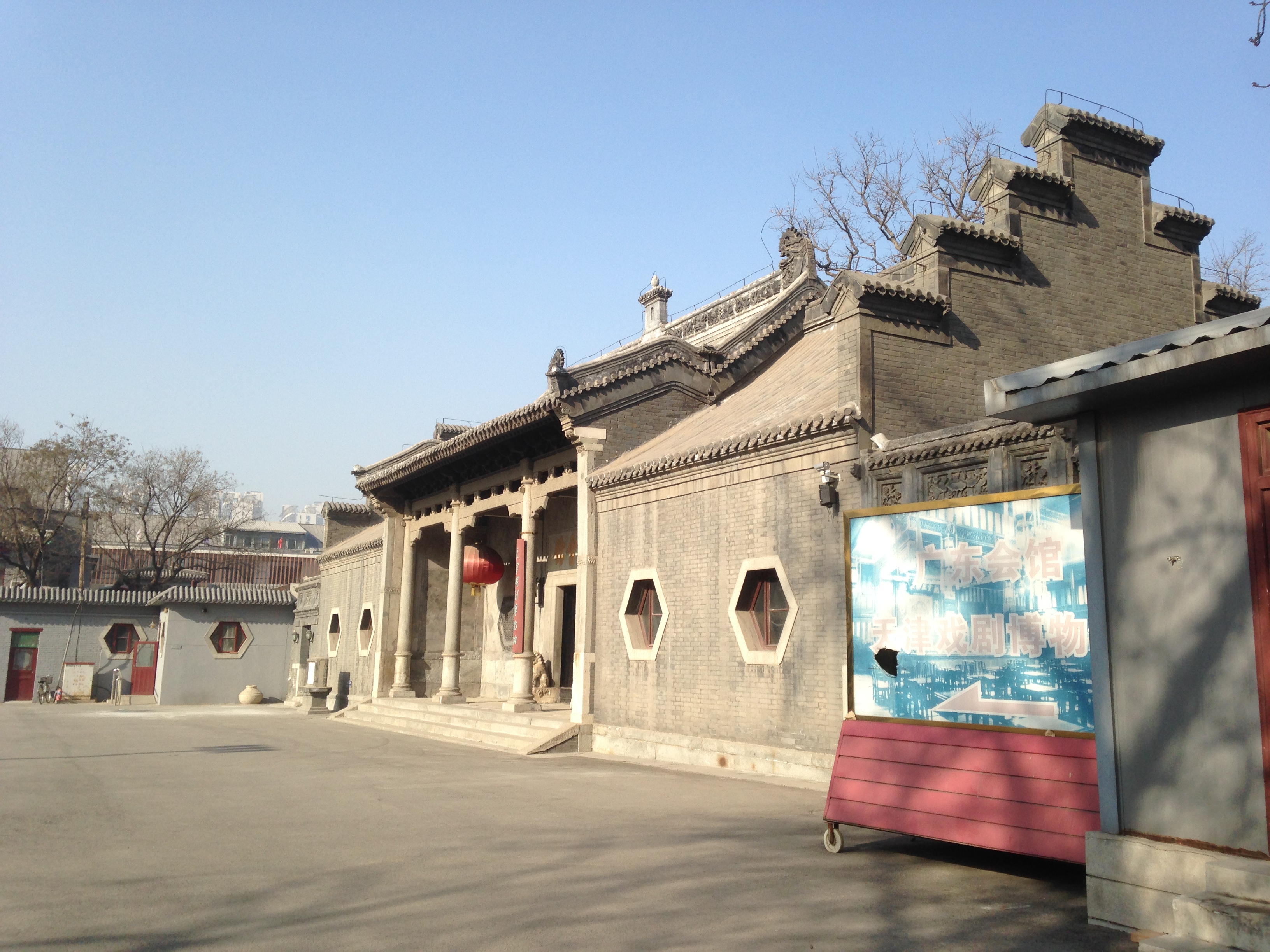
The Luzutang Site of the Boxer Rebellion is located at Hejia Hutong, Ruiyi'an Street, Hongqiao District, Tianjin. It is the only completely preserved site of the Boxer Rebellion's main altar in China and also houses the Tianjin Boxer Memorial Museum. The building was originally constructed in the eighth year of the Xuande era of the Ming Dynasty (1433) as a shrine, later transformed into a Taoist temple dedicated to Lü Dongbin. During the Boxer Uprising in 1900, it became the main altar and important decision-making center for the Boxers in Tianjin. Today, the site is a key national cultural relic protection unit and an important cultural spot for understanding the Boxer Movement and modern anti-imperialist history.
Getting There
Visitors can take the Tianjin Metro Line 2 or Line 5 and transfer to a bus to the area around Jieyuan Road and Yihua Road in Hongqiao District, then walk about 10 to 15 minutes to reach the Luzutang Site of the Boxer Rebellion at Hejia Hutong on Ruiyi'an Street. Since it is located in the old city area, it is recommended to take a taxi or ride-hailing service and report 'Luzutang Site of the Boxer Rebellion, Hejia Hutong, Ruiyi'an Street, Hongqiao District' for convenience.
Highlights
The most distinctive feature of the Luzutang Site of the Boxer Rebellion is its unique identity as 'the only completely preserved main altar site of the Boxer Rebellion in China' and 'the only thematic memorial site for the Boxer Movement in the country.' The architectural complex was initiated in the Ming Dynasty and was transformed during the Qing Dynasty into a Taoist temple dedicated to 'Chunyang Lüzu (Lü Dongbin),' embodying multiple values of ancient Taoist architecture, folk beliefs, and modern revolutionary history. The museum restores the scene of the Boxer altar and the leaders' meeting hall based on the original courtyard, and through cultural relics, historical materials, images, and scene displays, it presents the development context and important military decision-making of the Boxer Movement in Tianjin during the Boxer Uprising. As a key national cultural relic protection unit and a historical architectural site in Tianjin, the surrounding hutong texture and street appearance have also been preserved, allowing visitors to experience the atmosphere of the old Tianjin neighborhood while learning about modern history.
What to See
1. Front Hall and Mountain Gate: The mountain gate and front hall, remodeled in the 1980s, serve as the main entrance to the Luzutang architectural complex. The square in front features a bronze statue of the Boxers and an inscription of Zhou Enlai's evaluation of the Boxer Movement, symbolizing both commemoration and education. 2. Main Hall and Rear Hall of Luzutang: Originally a Taoist temple dedicated to Lü Dongbin, the architectural layout is intact, with well-preserved roof, beams, and paintings, reflecting the architectural style of Taoism in Tianjin during the Ming and Qing Dynasties, serving as the religious and cultural core of the entire site. 3. Restoration Display of Wuxiantang and Meeting Hall: Wuxiantang was an important meeting place for Boxer leaders such as Cao Futian. The museum restores the 'Meeting Hall of Boxer Leaders' with real-life scenes, showcasing the furnishings, flags, and weapons of the time, recreating the scene of significant military and operational decision-making. 4. Restoration Display of the Altar: The 'Restoration Display of the Boxer Altar at Luzutang' recreates the ritual space where Boxer members practiced martial arts, held ceremonies, took oaths, and gathered, allowing visitors to understand the specific form and symbolic meaning of the so-called 'altar' through the set, props, and explanations. 5. Thematic Exhibition Area on the History of the Boxer Movement: Covering an area of approximately 317 square meters, the exhibition displays over 200 cultural relics and historical materials, including documents related to the Boxer Movement, weapons, talismans, photographs, and thematic displays such as 'A Brief History of the Development of the Boxer Movement' and 'The Boxer Movement in Tianjin,' systematically outlining the background of the Boxer Uprising and the military events in Tianjin. 6. Surrounding Hutongs and Historical Environment: The 2003 expansion project preserved and renovated the surrounding streets such as Hejia Hutong and the street in front of Luzutang, forming a supporting space of about 6000 square meters. Visitors can stroll between the narrow hutongs and old brick-wood houses, experiencing the life atmosphere and scale of Tianjin during the late Qing and early Republic periods.
Hours & Admission
The Luzutang Site of the Boxer Rebellion is currently open to the public under the name 'Tianjin Boxer Memorial Museum,' serving as a public historical memorial site. Generally, it adopts a free admission policy, but specific ticket prices and whether reservations are needed should be confirmed according to the museum's current announcements. Opening hours are usually during the daytime (e.g., from morning to afternoon), and may be adjusted during holidays, renovations, or special events. It is recommended to check the latest opening hours and visiting regulations through local cultural tourism official platforms or by phone before visiting. Group visits can be arranged in advance for guided services, and some time slots may accommodate campus research and themed educational activities. Individual visitors are advised to avoid peak times for a better experience.
Address
18 Hejia Hutong, Ruiyi'an Street, Hongqiao District, Tianjin, China (some sources list it as 16; please refer to on-site and official signage for confirmation).
Travel Tips
When visiting the Luzutang Site of the Boxer Rebellion, it is recommended to allocate about 1 to 2 hours to carefully explore each courtyard and exhibition, including reading display boards, viewing restored scenes, and taking a short break in the courtyard square. Tianjin summers are hot, and winters are cold; spring and autumn, especially on clear and windless days, are the best times for walking tours in the old streets of Hongqiao District. This site can be combined with nearby attractions along the Nanyun River, Ancient Culture Street, and Xikai Church for a day of cultural walking. The exhibits focus on modern military events and the Boxer Movement, involving a lot of text and historical background explanations. It is advisable for travelers interested in late Qing history, foreign invasions, and the Boxer Uprising to do some homework in advance or rent/book a guide on-site for deeper understanding. The venue is located within a traditional residential area, with narrow streets and limited parking. Self-driving visitors are advised to park in nearby public parking facilities and walk in, while also being mindful of respecting the local residents' peace.
Nearby Dining
The area surrounding the Luzutang Site of the Boxer Rebellion is an old neighborhood and residential community in Hongqiao District, where visitors can find several local snack shops and home-style restaurants within a few minutes' walk, offering Tianjin specialties such as jianbing guozi, guoba cai, and wontons. There are more dining options along Jieyuan Road and Yihua Road, suitable for arranging meals or light snacks before or after the visit. If your itinerary includes Ancient Culture Street or Nanshi Food Street, you can further enjoy well-known Tianjin flavors such as Goubuli baozi, Erduoyan fried cake, and Guo's guoba cai, combining modern historical cultural visits with urban culinary experiences.
FAQ
Q: What is the Luzutang Site of the Boxer Rebellion? A: The Luzutang Site of the Boxer Rebellion is a commemorative site that integrates ancient Taoist architecture and modern revolutionary history, and it is the only completely preserved main altar site of the Boxer Rebellion in China. Originally a Taoist temple dedicated to Lü Dongbin, it became an important base for the Boxers in Tianjin to establish their main altar and formulate military strategies during the Boxer Uprising in 1900. Today, it is open to the public in the form of the Tianjin Boxer Memorial Museum, introducing the Boxer Movement and related historical relics. Q: Where is the Luzutang Site of the Boxer Rebellion, and how do I get there? A: The Luzutang Site of the Boxer Rebellion is located at 18 Hejia Hutong, Ruiyi'an Street, Hongqiao District, Tianjin, and is one of the famous historical sites in Hongqiao District. It is recommended to take the metro and bus from the city center to the vicinity of Jieyuan Road and Yihua Road, then walk there, or directly take a taxi/rideshare and report 'Luzutang Site of the Boxer Rebellion, Hongqiao District' for a more time-efficient and convenient option. After arriving, you can walk along the hutongs to enter the courtyard area. Q: Is there an admission fee to visit the Luzutang Site of the Boxer Rebellion? A: The Luzutang Site of the Boxer Rebellion is open to the public as the Tianjin Boxer Memorial Museum, generally serving as a public historical memorial site. Most sources indicate a free admission policy, but it should still be confirmed according to the latest local announcements. It is advisable to check the official platforms of Tianjin museums and memorials before departure to confirm opening hours, whether there are visitor limits, or if reservations are needed, especially during holidays and large events. Q: What exhibitions are worth seeing at the Luzutang Site of the Boxer Rebellion? A: The permanent exhibitions at the Luzutang Site of the Boxer Rebellion mainly include the restoration display of the Boxer altar at Luzutang, the restoration of the Wuxiantang meeting hall, a brief history of the development of the Boxer Movement, and thematic displays on the Boxer Movement in Tianjin. The museum exhibits over 200 cultural relics and artifacts, including talismans, weapons, documents, photographs, and restored scenes, focusing on the organizational forms, religious rituals, and combat achievements of the Boxers in Tianjin during the Boxer Uprising, making it highly valuable for travelers interested in modern history and anti-imperialist movements. Q: Is the Luzutang Site of the Boxer Rebellion suitable for families or general visitors? A: The Luzutang Site of the Boxer Rebellion is suitable for general visitors and high school students interested in historical culture, and it is often used as a base for school history education and patriotic education. Since the exhibition content focuses on late Qing wars, politics, and historical texts, younger children or those with less interest in this subject may focus on experiencing traditional architecture, courtyards, and hutong environments. Parents can also help children understand this historical background through simplified explanations.