Ruiyou School
Taiwan · Kinmen County · 金沙鎮 · Historic Sites
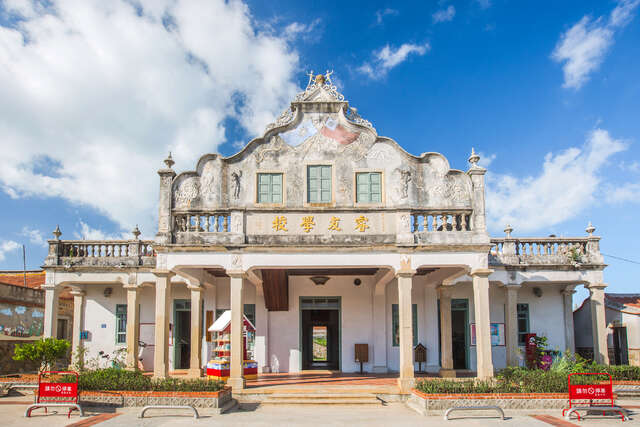
Image source: Taiwan_Opendata; license credits as shown.
Overview
Ruiyou School was built in 1934. After Mr. Chen Ruiyou made his fortune in Singapore, he commissioned his fellow clansman Chen Dexing to build Ruiyou School in his hometown of Bishan. The campus covered 20 ares and enrolled children from nearby settlements free of charge, benefiting the local community.
Highlights
Ruiyou School is a historic school building privately built by an overseas Chinese benefactor and now a county-designated historic site and literary museum. Combining a Western Baroque facade with local cultural stories, it is well suited to travelers who enjoy exploring old school buildings and taking cultural walks. Formerly a free school for children from Bishan and nearby settlements, it has since been transformed into a cultural space showcasing Kinmen literature and local memory, with a quiet atmosphere full of nostalgia.
What to See
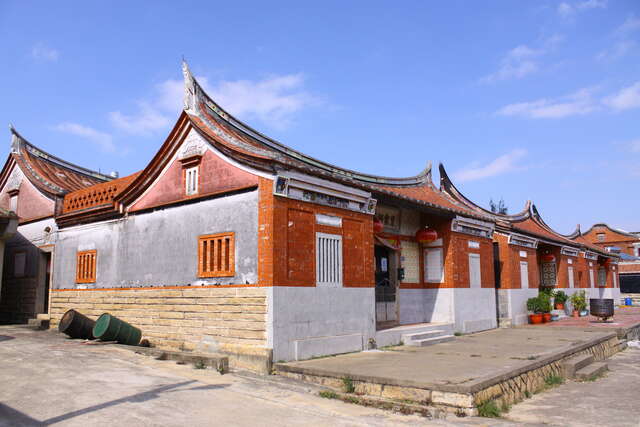
1. Historic school building: Ruiyou School is a two-story Western-style building with a Baroque-inspired facade. Built with stone, brick, and granite, it has a symmetrical and elegant appearance and is one of the rare examples in Kinmen of a modern school building funded by overseas Chinese donations. A walk through the site evokes the grandeur and ideals behind education supported by diaspora remittances. 2. Baroque gable and decorative details: The gable features clay ornaments such as flags, emblems, flowers, and birds, with exquisite detailing that reflects the blended Chinese and Western aesthetic of the era. It is also a favorite photo spot, and a closer look reveals the craftsmanship and ingenuity of the artisans. 3. Former campus layout: The original campus included an assembly hall, classrooms, teachers' offices, staff dormitories, a playground, a flag-raising platform, a kitchen, and bathrooms. Although the site has been restored and repurposed, the circulation and building arrangement still allow visitors to imagine the daily scenes of children attending classes, raising the flag, and playing here in the past. 4. Bishan settlement and surrounding scenery: Ruiyou School sits on the edge of Bishan settlement, surrounded by traditional houses and farmland. Visitors can combine the school with a stroll through Bishan Village's old residences and historic houses, enjoying the charm of a settlement known as the 'Pearl of Eastern Kinmen.' It is a comfortable area for walking and photography. 5. Atmosphere of Ruiyou Literary Museum: In recent years, the school building has been fitted with Ruiyou Literary Museum and a community reading space, with occasional exhibitions and literary events. While the displays may change over time, the overall atmosphere remains quiet and refined, making it a good place to read interpretive panels slowly and learn about the development of Kinmen literature and local writers.
Address
No. 1, Bishan, Jinsha Township, Kinmen County 890 Tel: (08)2325643
Travel Tips
The best way to visit Ruiyou School is to pair it with a walk through Bishan settlement, so you can see the old houses, the school, and the surrounding farmland in one trip. Allow about one to two hours for a relaxed visit with time for photography and reading the exhibits. Wear comfortable shoes and bring sun protection and wind protection, as Kinmen has strong sunlight and noticeable wind; spring, autumn, and winter are more comfortable for walking, while in summer it is better to go in the early morning or late afternoon to avoid the midday heat. As the building is a historic site, please keep your voice down, avoid climbing or damaging any decorative details, and follow staff guidance when taking photos. If there is a temporary exhibition, set aside extra time to view the literary museum carefully. The surrounding area is a quiet settlement, so it is advisable to bring your own water and light snacks and take all trash with you to keep the environment clean. If using public transportation or a taxi, check schedules and routes in advance, or combine the visit with nearby attractions such as Shanhou Folk Culture Village and other historic houses to make better use of your time and travel arrangements.
FAQ
Q: Is Ruiyou School worth a special visit? A: Ruiyou School is worth a special visit for travelers interested in historic architecture and the story of overseas Chinese education, especially as part of a half-day trip with a walk through Bishan settlement. It combines educational history, overseas Chinese village culture, and architectural aesthetics. The facade and decorations are distinctive, and the site still retains the atmosphere of an old school. People who enjoy photographing historic buildings, viewing exhibitions, or quietly exploring cultural spaces usually find it rewarding. Q: Do I need a reservation or ticket to visit Ruiyou School? A: Whether Ruiyou School requires a reservation or charges admission should be confirmed using the latest information released by the Kinmen County Government or the official Kinmen tourism authorities. Because it is a county-designated historic site with a literary museum and community space, opening hours and visiting arrangements may change depending on the operator. It is recommended to check the official tourism website or contact the service desk before departure to avoid arriving when it is closed. Q: What can I do at Ruiyou School? A: At Ruiyou School, you can take a walk to admire the historic architecture, photograph the Baroque-style facade and campus views, and read the information on overseas Chinese support for education and local educational history. If there is a seasonal exhibition or event at the literary museum, you can visit that as well to learn more about Kinmen writers and literary works, then continue on foot to other historic buildings and attractions in Bishan settlement to form a compact cultural route. Q: Is Ruiyou School suitable for children? A: Ruiyou School is very suitable for bringing children to learn about the environment of an early rural school and the story of overseas Chinese giving back to their hometown. It offers a hands-on lesson in history and civic education. Parents can imagine what classes were like in the past with their children and use display panels and old photos to explain ideas such as free schooling and donations from overseas Chinese. At the same time, children should be reminded to speak softly, walk carefully, and not run or climb on the historic building, helping them develop respect for cultural heritage.