Cide Temple
Taiwan · Kinmen County · 金沙鎮 · Historic Sites
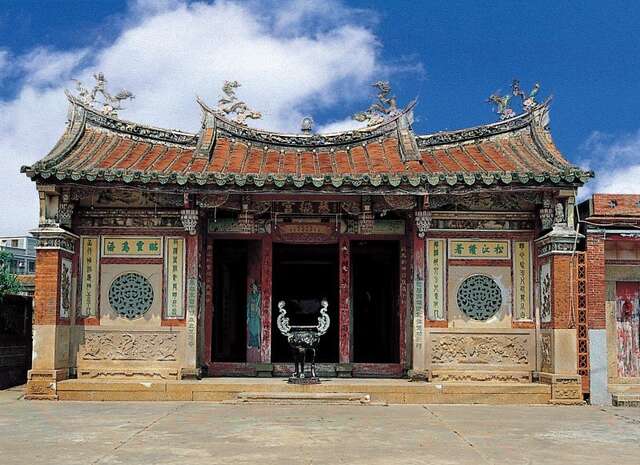
Image source: Taiwan_Opendata; license credits as shown.
Overview
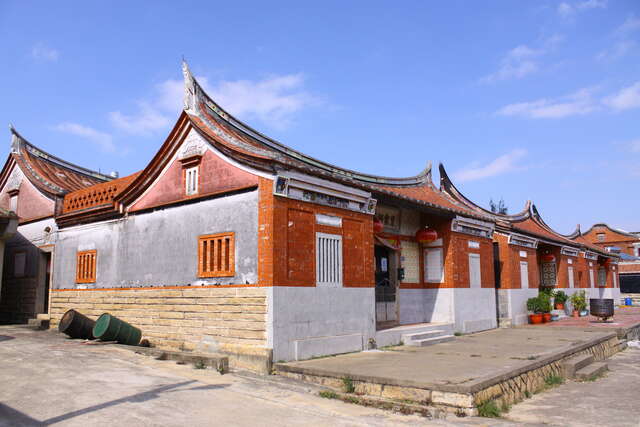
Cide Temple is a temple dedicated to Huang Wei, honored as a model of moral virtue. Its distinctive craftsmanship is showcased in three main areas: Koji pottery, cut-and-paste ceramics, and stone carving. The Koji pottery includes six panels on the dragon-and-tiger walls, mirror walls, and opposing walls, each vividly lifelike.
Highlights
Cide Temple is a county-designated historic temple dedicated to Huang Wei, a Ming-dynasty figure praised as a model of moral virtue. It is known throughout Kinmen for its refined Koji pottery, cut-and-paste ceramic work, and stone carving. Although the temple follows a traditional Minnan architectural form with a modest exterior, the dragon-and-tiger walls, mirror walls, and opposing walls display highly accomplished traditional decorative art, making it an important place to appreciate Kinmen temple craftsmanship and local clan-based religious culture.
What to See
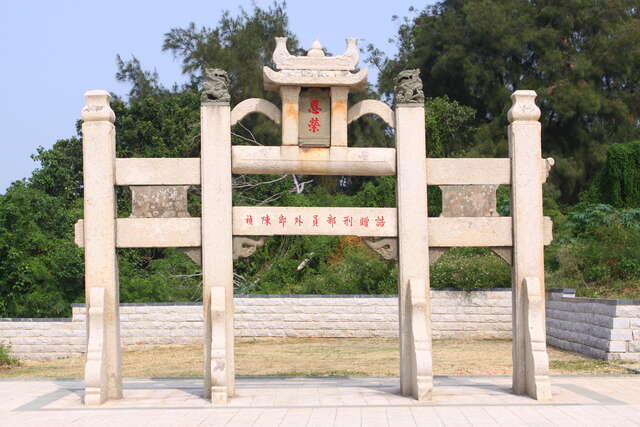
1. Main deity and temple history Cide Temple enshrines Huang Wei, revered as a "model of moral virtue," and he is one of the important ancestors of the Huang clan in Kinmen, deeply respected by local residents. The temple was founded during the Guangxu reign of the Qing dynasty and has been designated a county-level historic site in Kinmen, representing the local clan tradition of honoring virtue and remembering one’s roots. 2. Koji pottery on the "dragon-and-tiger walls" The dragon-and-tiger walls on both sides of the front corridor are the temple’s most iconic Koji pottery works. One side depicts two dragons争珠, while the other shows a fierce tiger descending the mountain, with a grand composition and vivid colors. Dragons and tigers often appear in pairs, symbolizing the hopes that one’s children will achieve greatness and that a tiger’s offspring will be formidable, combining auspicious meaning with moral instruction. 3. Koji pottery on the mirror walls and opposing walls The mirror walls and opposing walls in the front hall together form six large Koji pottery panels, with figures and auspicious animals rendered in lifelike detail. Common motifs include qilin, phoenixes, lions playing with a ball, vases, peonies, and pine trees, showing the subtle craftsmanship of glazed ceramic sculpture. 4. Koji pottery on the water-wheel wall and corridor murals The Koji pottery on the water-wheel wall in the front hall often draws on opera, history, or legend, such as stories of loyalty, filial piety, integrity, and righteousness, giving the temple a didactic function. On the corridor walls, motifs such as the qin player and the fisherman create images of scholarly retreat and leisurely living, adding interest to the space. 5. Cut-and-paste decoration: dragon motifs and roof ridges The dragon decorations on the ridge body and ridge crest of the roof are made using cut-and-paste techniques, piecing together colorful porcelain fragments to form surging dragon bodies and auspicious patterns. On the mountain-and-river ridge of the roof, one can see forms such as two dragons争珠, paired azure dragons, and two dragons paying homage to a pagoda, with rich colors that stand out במיוחד from a distance. 6. Stone carving details The pearl-shaped column tops in front of the temple, the entrance, the wall-base brackets, and the stone columns are all finely carved in stone. Motifs include lotuses, pine trees, paired cranes, lingzhi, deer, magpies, and the Eight Horses, among other auspicious designs. Some stone carvings also depict figures, pavilions, and opera scenes, showing meticulous workmanship and the solid strength of traditional stone carving. 7. Wood carving and painted decoration Inside the temple, the beams, hanging brackets, and corner supports preserve original wood carving and painted decoration, with careful composition and layered richness. The painted scenes often feature flowers and birds, landscapes, and story scenes, echoing the Koji pottery, cut-and-paste ceramics, and stone carving to create a unified artistic atmosphere.
Address
No. 99, Houputou, Wunsha Vil., Jinsha Township, Kinmen County 890 Tel: (08)2318823
Travel Tips
1. Recommended visit time Plan about 30 minutes to 1 hour for a visit to Cide Temple, starting with the exterior facade and roof ridges before taking a closer look at the interior wood carving and painted decoration. If you are especially interested in traditional architecture or temple art, allow extra time for photography and for comparing different decorative techniques. 2. Suggested viewing route You can begin at the temple forecourt, dragon-and-tiger walls, and outer-wall Koji pottery, first observing the decorative themes on the dragon-and-tiger walls, mirror walls, opposing walls, and water-wheel wall. Then go inside to look at the stone carvings on the column tops, the wood carving, and the painted decoration, and finally look up to admire the cut-and-paste dragon ornaments and the mountain-and-river ridge forms on the roof. 3. Photography and viewing tips If you want to capture the details of the Koji pottery clearly, choose a time when daylight is softer to avoid color distortion caused by backlighting. It is best to slow down and observe everything from the overall composition to the expressions of the figures, the folds in clothing, the fur of animals, and the textures of plants; you will notice many more details. 4. Dress and etiquette Before entering the main hall, it is recommended to remove your hat, keep your voice low, and respect this local place of worship. If you want to photograph the main deity or a ritual, first pay attention to posted notices or ask local worshippers and temple staff. 5. Nearby activities that pair well Cide Temple is located in the Jinsha area of Kinmen, and it can be included on the same route as nearby old village houses, other temples, and battlefield heritage sites. You can combine a walk through traditional Kinmen settlements with battlefield culture and natural scenery to experience both the human and historical landscape in one trip. 6. Weather and what to bring Kinmen has strong sunlight and strong winds, so it is advisable to bring a hat, sunscreen, and drinking water. In winter, when the wind feels cold, bring an extra jacket. Much of the outdoor area consists of hard paving and steps, so wear comfortable walking shoes for moving around the temple forecourt and nearby settlement.
FAQ
Q: What is the main thing to see at Cide Temple? A: The most worthwhile features at Cide Temple are its refined Koji pottery, cut-and-paste ceramic work, and stone carving, which are concentrated on the dragon-and-tiger walls, mirror walls, opposing walls, and the roof ridge. Visitors can use these decorative details to understand the high level of temple art in Kinmen and feel the local residents’ reverence for Huang Wei, the "model of moral virtue." Q: Is Cide Temple suitable for visiting with children? A: Cide Temple is suitable for visiting with children. Parents can use the Koji pottery motifs of qilin, phoenixes, lions, dragons, and tigers on the walls to explain auspicious meanings and stories to their children. Just remind children to speak softly inside the temple, not to run, and not to climb on the sculptures or railings, and the visit can be both safe and educational. Q: What etiquette should be followed when visiting Cide Temple? A: When visiting Cide Temple, the basic etiquette is to remain quiet, keep your voice low, and respect worshippers who are praying or taking part in rituals. Before taking photos, avoid using flash close up on the main deity, and if you are unsure whether photography is allowed, ask on-site staff or check the posted notices. Q: What details should architecture or art lovers not miss at Cide Temple? A: For architecture or art lovers, the must-see details at Cide Temple include the Koji pottery on the dragon-and-tiger wall of the corridor pavilion, the six large Koji pottery panels on the front hall mirror walls and opposing walls, and the auspicious stone-carved motifs on the column tops and wall bases. Together with the cut-and-paste dragon ornaments on the roof ridge and the interior wood carving and painted decoration, these features offer a fuller understanding of how traditional Minnan temples skillfully use different materials and techniques.