Huang Xianxian Six-Route Mansion
Taiwan · Kinmen County · 金沙鎮 · Historic Sites
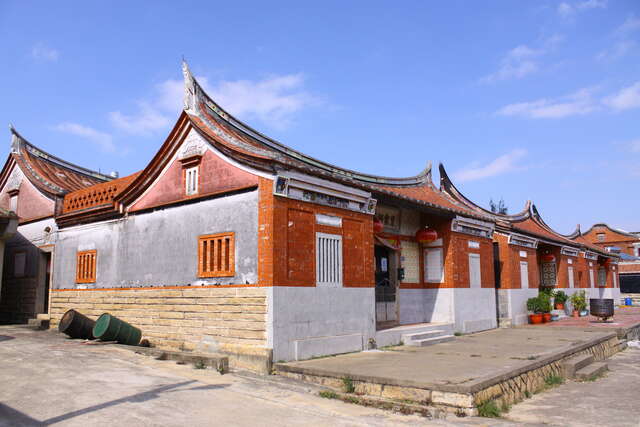
Image source: Taiwan_Opendata; license credits as shown.
Overview
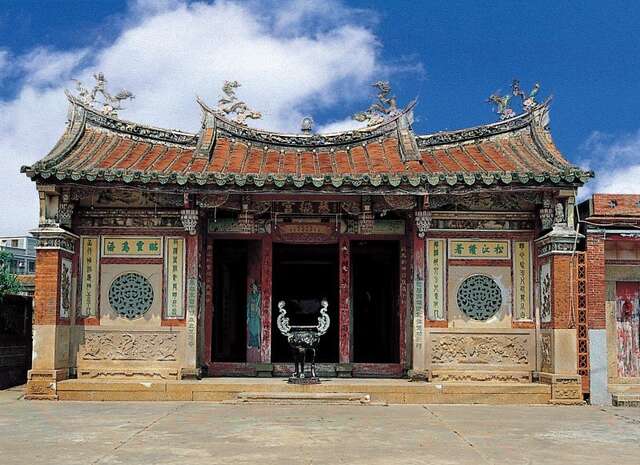
Huang Xianxian was born in the mid-Qianlong reign. His father served as an Imperial Secretary, and his descendants later achieved notable success through trade in Southeast Asia. The Huang residence is a Minnan-style building with five bays and double side-wings on both the left and right, known as the Six-Route Mansion. Its front and rear sections are linked by a continuous swallowtail ridge and a hard-gable horseback roof, while the facade features finely carved wooden lattice panels and the water-riding walls are decorated with painted and cut-paper motifs of flowers, birds, fortune, and prosperity, all of which reflect the wealth of overseas Kinmen families and the aspiration to honor their ancestors.
Highlights
Huang Xianxian Six-Route Mansion is a county-designated historic site in Kinmen and a representative Minnan mansion that showcases the wealth of Kinmen's overseas-merchant community and the power of clan lineages. Its layout is the "Six-Route Mansion" style, with five bays plus double side-wings on both sides. The finely carved and richly painted facade fully reflects the refined taste and aesthetics of a prominent local family during the Qianlong era of the Qing dynasty. The Huang family was a prominent local lineage in Jingsha. As later generations went south to Southeast Asia and made fortunes in trade, the old house was built on a grand scale and with elaborate decoration. From the swallowtail ridge and water-riding walls to the carved wooden lattice panels, it conveys a strong overseas-Chinese atmosphere and a deep desire to bring honor to the family name. The mansion was first built in the Qing Qianlong period and went through war damage and neglect. After later restoration by descendants and the government, it has been revitalized and put to new use. It was selected by the Ministry of Culture as a heritage site with excellent management and maintenance, making it a typical example of combining historic architecture with local daily life functions. Visitors can not only admire traditional Minnan mansion craftsmanship here, but also take a side trip to Houputou settlement to experience the old streets, alleys, and rich cultural atmosphere of the Jingsha area.
What to See
1. Six-Route Mansion layout and two-section spatial plan Huang Xianxian Six-Route Mansion follows the traditional two-section mansion layout, with the front and rear halls separated by an open courtyard, forming a classic domestic space. This fully demonstrates the Minnan architectural philosophy of distinguishing inside from outside and maintaining social hierarchy. Seen from the front, the mansion appears to have five bays and six partition walls, and the attached double side-wings on the left and right make the whole complex look grand, reflecting both a large family and the need for clan members to live together. 2. Swallowtail ridge and hard-gable horseback roofline The roof uses a "continuous dragon" arrangement, combining a swallowtail ridge with a hard-gable horseback roof. The ridge line is elegant and fluid, making it one of the most representative roof forms in Kinmen's traditional settlements. The dragon-shaped swallowtail ridge is not only decorative but also symbolizes family prosperity and rising status. Together with the hard-gable horseback roof, it creates a balanced structure and visual harmony. 3. Facade lattice panels and refined wood carving The mansion's facade uses delicately carved wooden lattice doors and windows, with themes that are often auspicious, such as flowers, plants, figures, and traditional patterns, displaying the superb carving skills of the craftsmen of the time. Although the woodwork has weathered years and war, the restored elements still reveal the refined taste of a prosperous household and are a highlight for architectural photography and close observation. 4. Painted and cut-paper decorations on the water-riding walls The water-riding walls feature painted and cut-paper decorations with motifs such as flowers, birds, fortune, and prosperity. Their vivid colors and auspicious imagery symbolize happiness, longevity, and family success. These painted and cut-paper techniques are common decorative methods in traditional Minnan architecture, and they are relatively well preserved here, making them well worth a close look. 5. Overseas-Chinese family story and cultural atmosphere Huang Xianxian came from a gentry family in the Qianlong era of the Qing dynasty. His father once served as an Imperial Secretary, and many descendants later went to Southeast Asia and became wealthy through trade. The interior spaces and layout of the house fully reflect the lifestyle and social status of an overseas-Chinese family. Through guided interpretation or on-site introductions, visitors can learn about the Huang family's development from a local prominent lineage to overseas Chinese in Southeast Asia, and understand the emotional meaning of "returning to one's roots" and bringing honor to one's ancestors.
Address
No. 3, Houputou, Wunsha Village, Jingsha Township, Kinmen County 890 Phone: (08)2325643
Travel Tips
When visiting Huang Xianxian Six-Route Mansion, it is recommended to combine the trip with nearby settlement and beach attractions in Jingsha and Shamei for a half-day to full-day itinerary. Kinmen's northeast monsoon is strong in winter and the weather is windy and cold. If you visit in winter, bring a warm coat, hat, and scarf. In summer, the sun is intense, so prepare sunscreen, a sun hat, and drinking water. The mansion is located in the alleyways of Houputou settlement, where most routes are on foot. It is recommended to wear comfortable walking shoes or sneakers for easier movement and photography among the old house and narrow lanes. Historic-site spaces often contain wooden structures and old brickwork. During the visit, keep your voice down, avoid touching delicate wood carvings and painted decorations, and respect the management unit's route arrangements and posted notices. If you need to visit the interior, access may depend on on-site announcements or the clinic's business hours and opening schedule. Allow some flexibility before departure and check the posted information at the entrance when you arrive.
Nearby Dining
Traditional snacks commonly found in the Jingsha area of Kinmen include Minnan-style noodles, Cantonese porridge, Kinmen ginger candy, and baked sesame cakes. They can be enjoyed together with a stroll through the old houses and settlements for a taste of local flavors and old-street atmosphere.
FAQ
Q: Where is Huang Xianxian Six-Route Mansion? A: Huang Xianxian Six-Route Mansion is located at No. 3, Houputou, Wunsha Village, Jingsha Township, Kinmen County. It is a well-known traditional Minnan mansion and county-designated historic site in the area. Visitors going to the Jingsha countryside can also stop by Houputou settlement and follow signs or maps to find this old residence, which is often included in itineraries with nearby settlement attractions. Q: What architectural features of Huang Xianxian Six-Route Mansion are worth seeing? A: The mansion's most distinctive feature is its "Six-Route Mansion" layout, which consists of five bays plus double side-wings on the left and right. Combined with the swallowtail ridge and hard-gable horseback roof, delicate carved lattice panels, and painted water-riding walls with flowers and birds, it fully presents the grandeur and elegance of a Qing-dynasty overseas-Chinese mansion. Those who enjoy traditional architecture and details should pay special attention to the ridge line, door and window carvings, and cut-paper painted decorations. Q: Does it cost admission to visit Huang Xianxian Six-Route Mansion? A: At present, it is generally understood that the mansion can be visited freely from the outside and in designated open areas. Whether admission is charged and the exact visiting method depend on on-site announcements and the rules of the management unit. Visitors are advised to check the notice board at the entrance or consult local tourism services and follow the latest visiting arrangements. Q: What is Huang Xianxian Six-Route Mansion used for now? A: After restoration, Huang Xianxian Six-Route Mansion has been revitalized and put to new use. It is now occupied by a traditional Chinese medicine clinic and related organizations, becoming a historic space that combines medical practice with heritage preservation. Visitors can experience how the old mansion is no longer just a static display, but a cultural asset that continues to serve the local community, provided they respect the medical setting and residents' daily routines.