Senso-ji
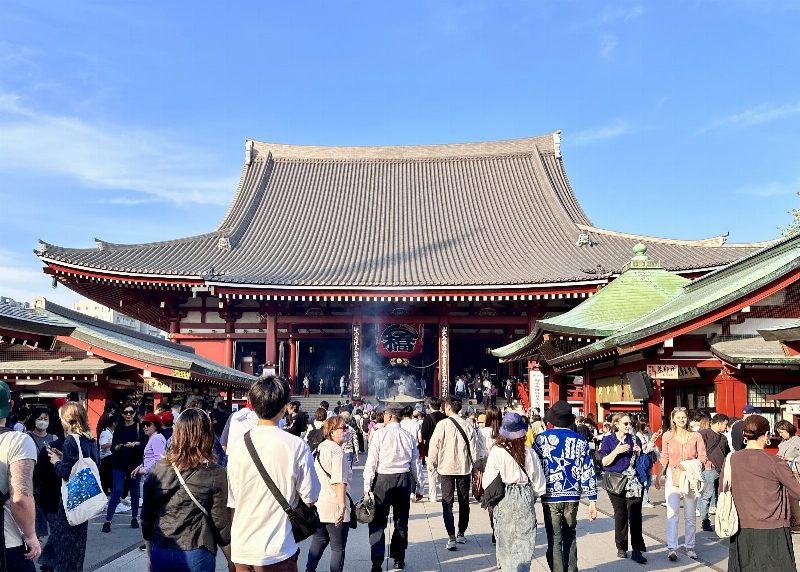
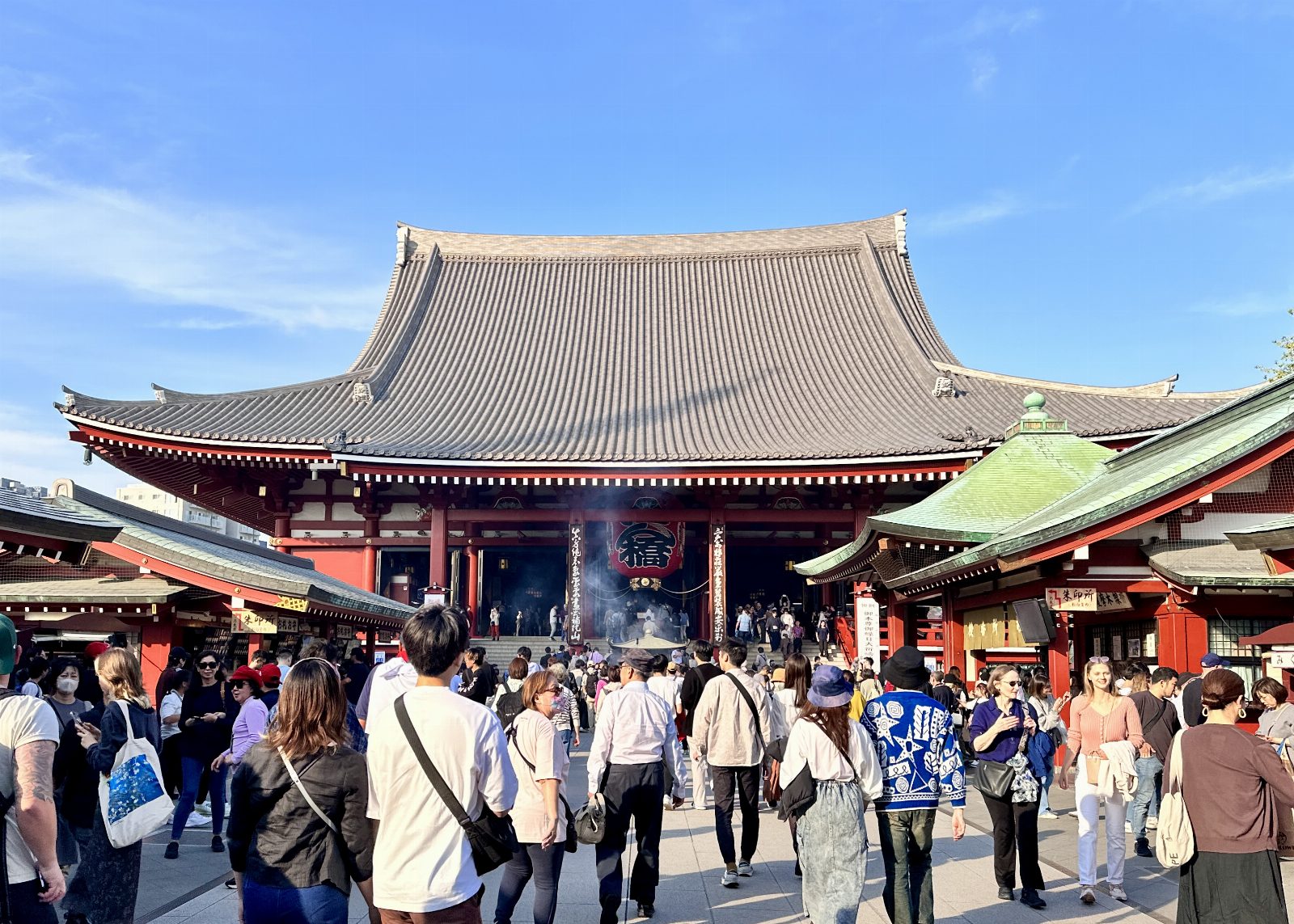
Image source: Wikimedia Commons; license credits as shown.
Overview
Senso-ji is the oldest and most iconic Buddhist temple in Tokyo, located in the heart of the Asakusa district in Taito, Tokyo. The temple is famous for its Kaminarimon Gate, Nakamise Street, five-story pagoda, and main hall, making it a must-visit destination in Tokyo that combines faith, Edo atmosphere, and tourist crowds.
Getting There
Take the Tokyo Metro Ginza Line, Toei Asakusa Line, Tobu Skytree Line, or Tsukuba Express to 'Asakusa Station', and it is about a 5-minute walk from there.
Highlights
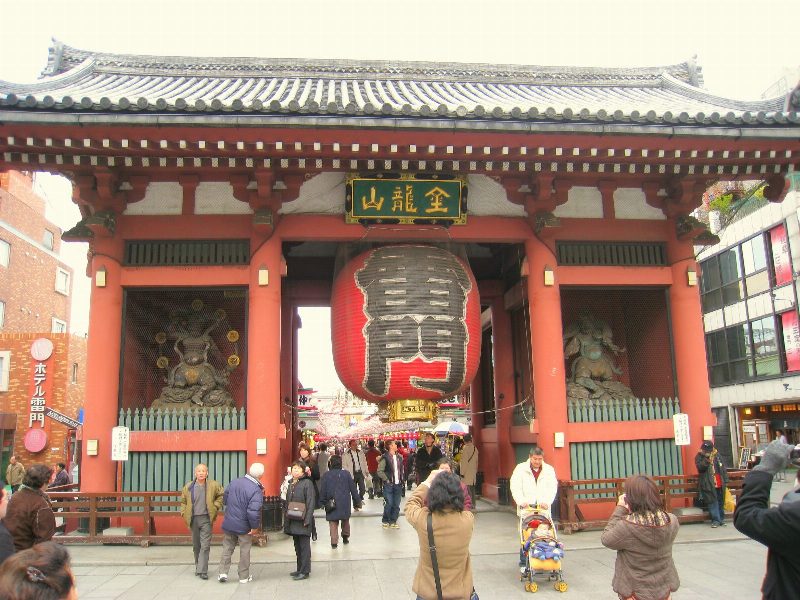
One of the oldest temples in Tokyo, with a history dating back to 628 AD. The iconic Asakusa landscape is formed by the large red lantern of Kaminarimon, Nakamise shopping street, and the five-story pagoda. The main hall enshrines Kannon, attracting a large number of worshippers and those seeking blessings. After sunset, the temple is illuminated, creating a completely different atmosphere at night compared to during the day.
What to See
Kaminarimon: The symbolic entrance of Senso-ji and the most famous photo spot. Nakamise Street: A traditional shopping street connecting Kaminarimon and the main hall, filled with souvenir and snack stalls. Hozomon Gate: An important mountain gate leading to the main hall, often photographed with the five-story pagoda. Five-Story Pagoda: A prominent landmark building within the temple, which can be admired from multiple angles. Main Hall: The primary worship space, enshrining Kannon. Chozuya and Incense Burner: Experience traditional worship practices such as purification and incense offerings.
Hours & Admission
Visiting the temple is generally free of charge. The main hall is usually open from April to September from 6:00 AM to 5:00 PM, and from October to March from 6:30 AM to 5:00 PM; Nakamise shopping street typically operates from 9:00 AM to 7:00 PM or 10:00 AM to 6:30 PM, depending on the individual shops.
Address
2-3-1 Asakusa, Taito, Tokyo, Japan.
Travel Tips
It is recommended to visit early in the morning to avoid large crowds, making it more comfortable for photography and worship. The climate in spring and autumn is more suitable for walking, while summer brings higher temperatures and crowds, so ample time should be reserved. You can also plan to visit Kaminarimon, Nakamise Street, Sumida Park, and the surrounding old streets of Asakusa together. After the night illumination, it is suitable for exterior photography, but most shops will be closed, so the focus will be on strolling and enjoying the scenery.
Nearby Dining
Along Nakamise Street, you can find traditional snacks, sweets, and food stalls, perfect for eating while walking. There are many wagashi shops, tempura restaurants, and cafes around Asakusa, ideal for dining after worship.
FAQ
Where is Senso-ji located? Senso-ji is located at 2-3-1 Asakusa, Taito, Tokyo, in the center of the Asakusa district. Is there an admission fee for Senso-ji? Visiting Senso-ji is usually free, and no ticket is required for entry. What is the nearest station to Senso-ji? The nearest station is Asakusa Station, which is about a 5-minute walk from the Ginza Line, Toei Asakusa Line, Tobu Skytree Line, or Tsukuba Express. What time does Senso-ji open? The main hall generally opens at 6:00 AM from April to September and at 6:30 AM from October to March, with closing times usually around 5:00 PM. What is Senso-ji most famous for? It is most famous for the large red lantern of Kaminarimon, Nakamise Street, the five-story pagoda, and the main hall enshrining Kannon.