Hoon-ji Temple
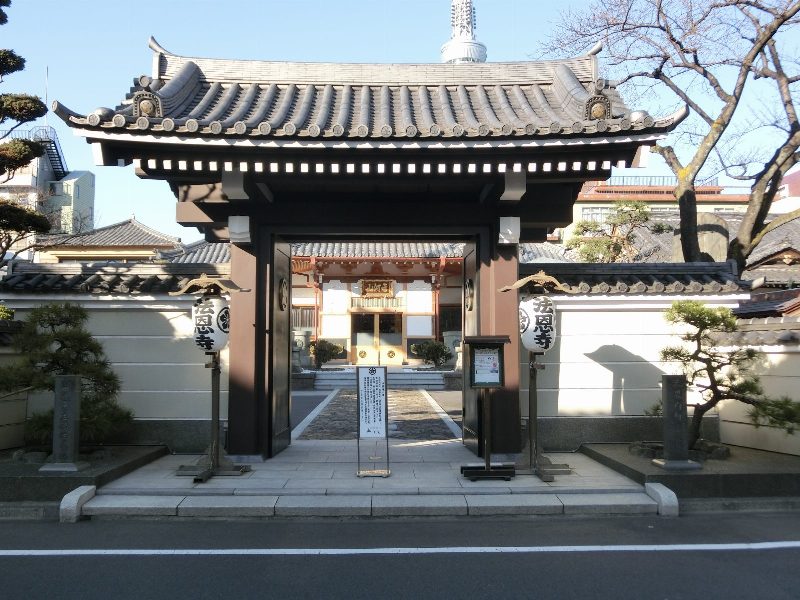
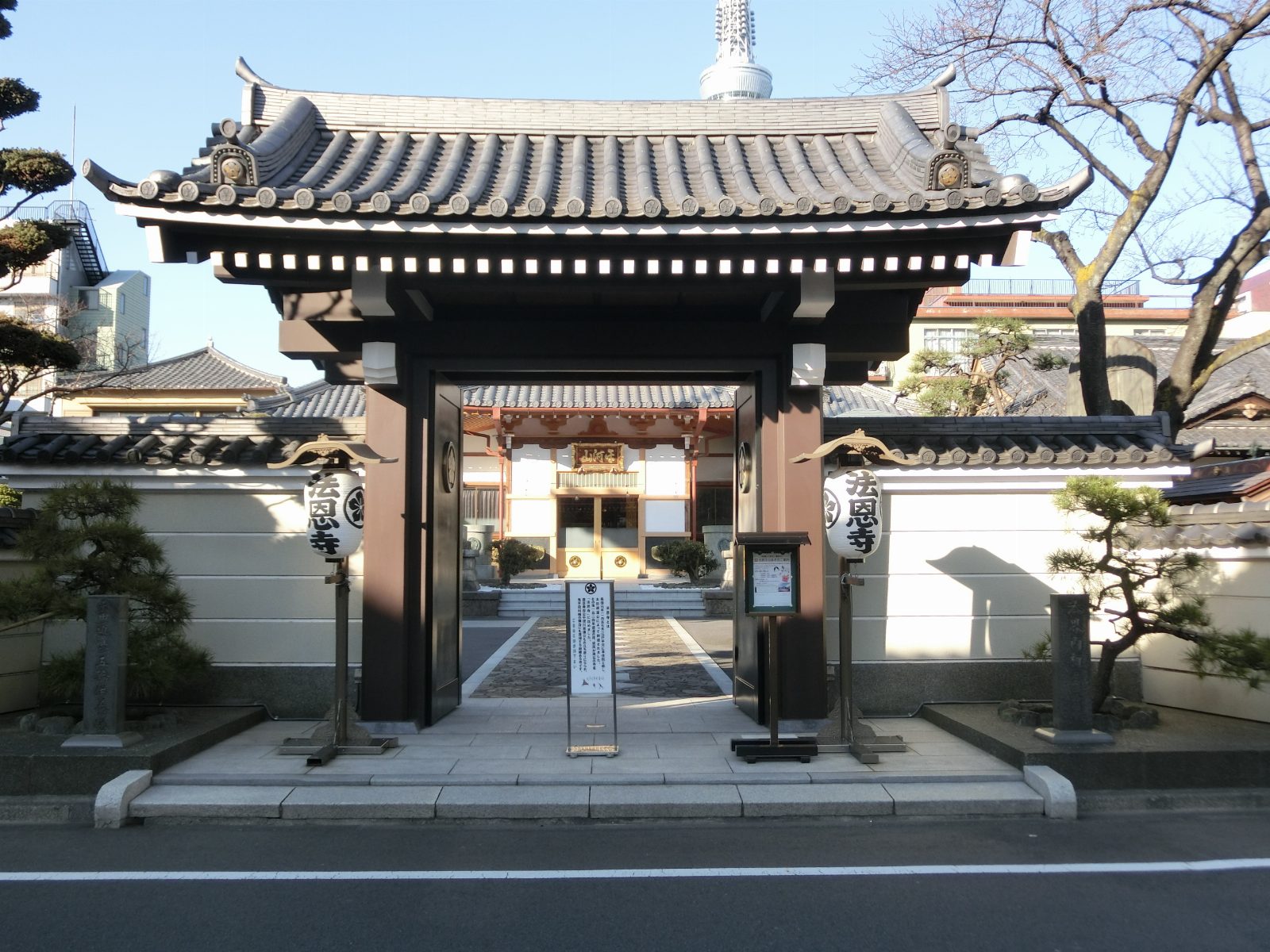
Image source: Wikimedia Commons; license credits as shown.
Overview
Hoon-ji Temple is a Buddhist temple located in the Taihei area of Sumida, Tokyo, serving as a small ancient shrine for local residents' faith and rituals. The temple's origins can be traced back to the mid-15th century, and it still preserves a tranquil space amidst the towering buildings of the city. The quiet alleys in front of the temple are suitable for a visit while strolling around Kinshicho and Oshiage (Tokyo Skytree).
Getting There
The most convenient way to reach Hoon-ji Temple is to take the Tokyo Metro Hanzomon Line or JR Sobu Line to 'Kinshicho Station' and walk about 10 to 12 minutes from the North Exit to the Taihei area. Alternatively, you can walk about 15 to 20 minutes from 'Oshiage (Skytree)' Station, which is shared by the Toei Asakusa Line and Keisei Line, allowing you to experience the daily atmosphere of the downtown residential area along the way.
Highlights
Hoon-ji Temple is a Buddhist temple with a history dating back to 1458, believed to have been established during the Muromachi period, witnessing hundreds of years of urban changes in Edo and Tokyo. Although the temple is not large, it retains traditional temple architecture and a small garden among residential and commercial buildings, presenting a typical 'downtown' faith space atmosphere. Due to its location between the Skytree and the Kinshicho shopping district, it is suitable as a quiet stop along nearby walking routes.
What to See
・Sanmon Gate and Temple Appearance: Located in the alleys of the Taihei residential area, the entrance is simple and understated, creating an interesting contrast with the surrounding modern buildings. ・Main Hall: The main hall houses a statue of Buddha and memorial tablets of past generations, serving as the space for rituals and ceremonies. Its exterior reflects a modern Japanese temple architectural style. ・Small Garden and Open Space: The temple grounds feature a simple small garden and open space, which, while not primarily for tourism, provide a rare tranquil corner in the city, perfect for a brief rest to adjust your pace.
Hours & Admission
Hoon-ji Temple is a local faith temple, primarily serving as a place for residents to worship and conduct rituals. Generally, visitors can freely enter the temple grounds during the day for worship. The temple is not a designated tourist attraction, and there are no specific admission fees unless there are special ceremonies or rituals, which may have restrictions on entry or additional offerings. If you wish to enter the main hall, it is usually necessary to coordinate with a ceremony or contact in advance; it is recommended that visitors focus on quiet worship and brief stays within the grounds.
Address
1-26-16 Taihei, Sumida, Tokyo, Japan
Travel Tips
Hoon-ji Temple is not large, so it is recommended to arrange visits in conjunction with the Kinshicho shopping district, Tokyo Skytree, and the surrounding Oshiage walking routes, serving as a quiet resting point along the way. The best time to visit is during the day, as the temple mainly serves local residents; please maintain a low voice and show respect, avoiding loud conversations or eating within the grounds. If a funeral or ceremony is in progress, please pass quietly outside and avoid taking photos that may disturb. There are plenty of convenience stores and dining options nearby, so there is no need to prepare meals in advance.
Nearby Dining
Within about a 10-minute walk from Hoon-ji Temple, you can reach the Kinshicho Station area, which has large shopping centers, department stores, food streets, and various izakayas, ramen shops, and cafes, making it an ideal spot for dining and a short break. Walking north or east can lead you to Oshiage and the Tokyo Skytree area, where commercial facilities and restaurants are more diverse, offering everything from light snacks and coffee to Japanese, Western cuisine, and dessert shops. If you are only making a brief stop at the temple, you can first buy drinks or snacks around Kinshicho Station before walking to worship and stroll.
FAQ
Q: What sect does Hoon-ji Temple belong to? A: Hoon-ji Temple is a Buddhist temple, although public information does not specify the sect, most temples with the same name in Japan belong to the Zen or Pure Land systems. Visitors can follow general Japanese temple etiquette by bowing with hands together. Since this place primarily serves local faith and rituals, the sect does not significantly affect general visitors; the focus is on quietness and respect. Q: What are the opening hours of Hoon-ji Temple? A: Hoon-ji Temple is not a designated tourist temple; generally, visitors can freely worship and stroll around the temple grounds during the day, but there are no official opening hours listed. It is recommended to visit during daylight hours, avoiding early morning, late night, or prolonged stays during ceremonies. If you wish to enter the main hall or participate in a ceremony, you need to contact the temple or local relevant contacts in advance. Q: How do I get from Kinshicho Station to Hoon-ji Temple? A: After exiting the North Exit of 'Kinshicho Station' on the JR Sobu Line or Tokyo Metro Hanzomon Line, walk towards the Taihei area for about 10 to 12 minutes to reach Hoon-ji Temple located at 1-26-16 Taihei. The route mainly consists of flat city sidewalks, passing through residential areas and small shopping streets, making it suitable for a walk; it is recommended to use a mobile map for navigation to 'Taihei 1-26-16'. Q: Can I take photos at Hoon-ji Temple? A: As a local resident temple, low-key photography is usually allowed in and around Hoon-ji Temple, but you should avoid photographing worshippers, ceremony scenes, or private memorial tablets, and refrain from using flash. If you wish to take close-up photos of the main hall or details within the grounds, it is advisable to first check for any no-photography signs or observe the behavior of other worshippers before deciding, to respect the temple and the local faith space. Q: Is there an admission fee to visit Hoon-ji Temple? A: Generally, there is no admission fee for simple worship and strolling within the temple grounds during the day, as it is a local temple space with free entry. If participating in specific ceremonies, memorials, or other religious rituals, there may be customary offerings or donations, and the amount and method can refer to local customs and guidance from the temple staff.