Kaminarimon
Japan · Tokyo Metropolis · Taito · Landmarks
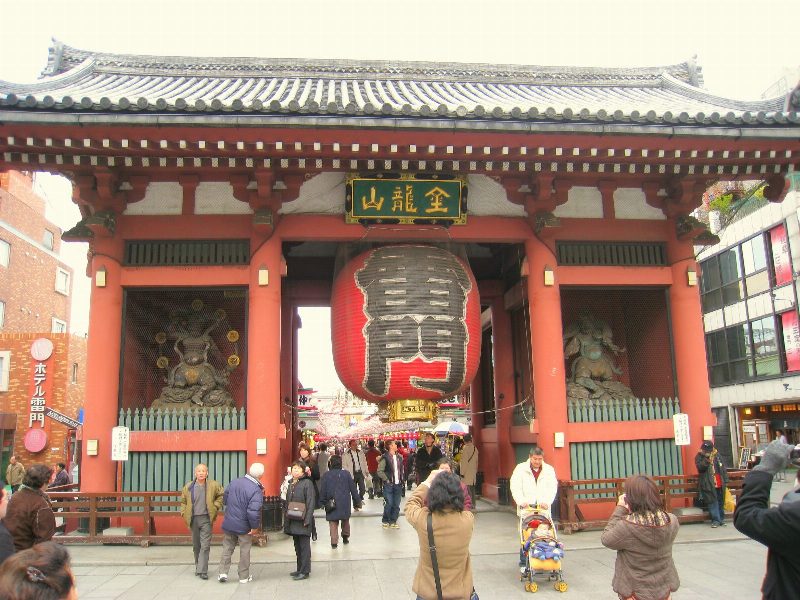
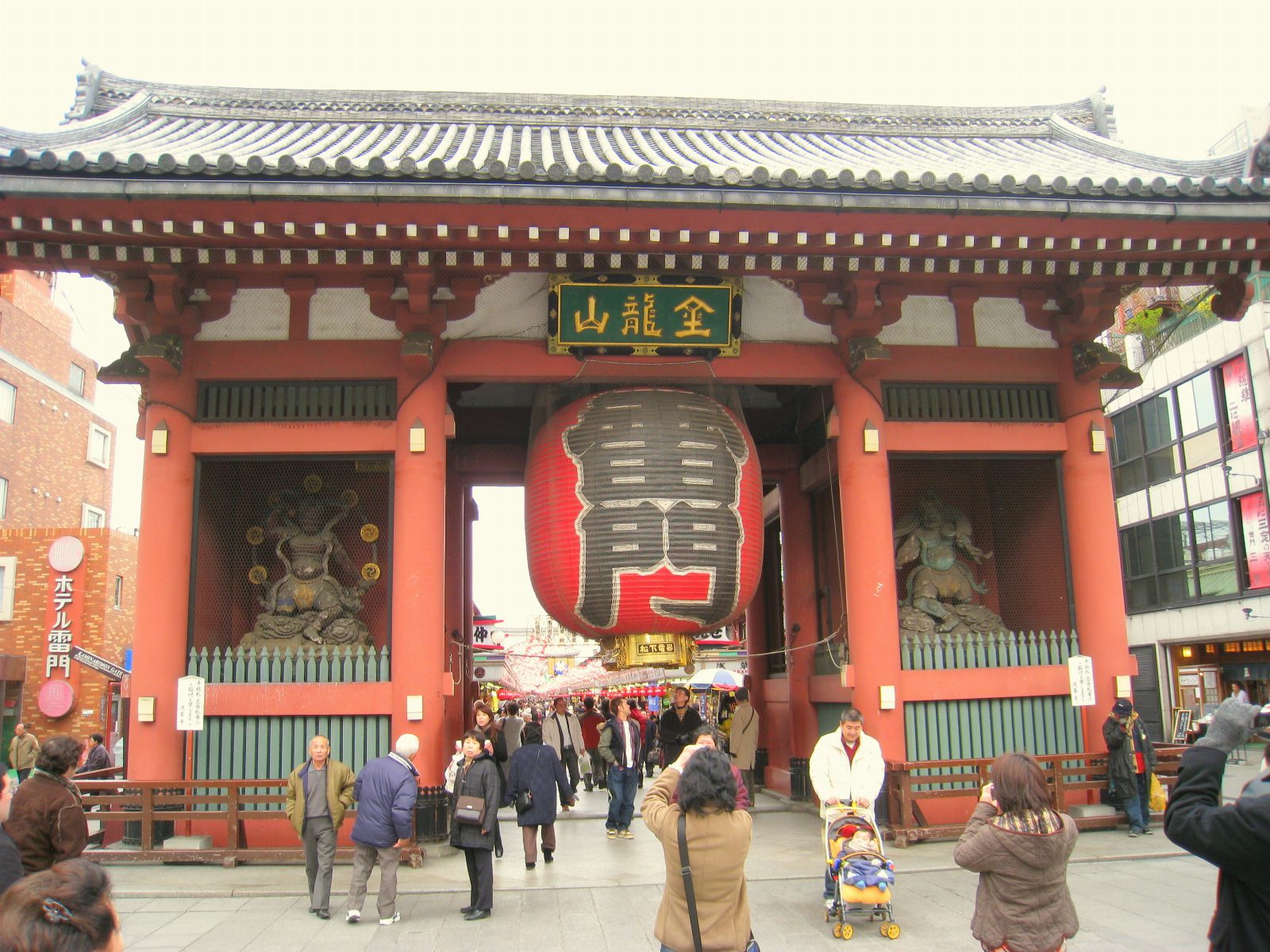
Image source: Wikimedia Commons; license credits as shown.
Overview
Kaminarimon is the outer gate and landmark entrance to Senso-ji Temple in Asakusa, Tokyo. It is also the most iconic photo spot and gathering place in Asakusa. The giant red lantern features the characters for 'Kaminarimon', symbolizing 'Thunder Gate', while the official name 'Furaijinmon' is inscribed on the back. On either side, the deities of wind and thunder are enshrined to protect Senso-ji and the local residents. Originally built in the 10th century, it has been rebuilt multiple times after fires, with the current structure reconstructed in 1960 thanks to a donation from Konosuke Matsushita. It has become a must-visit symbol of tourism in Tokyo. Kaminarimon is open 24 hours a day and free of charge, and the atmosphere is particularly enchanting at night when illuminated, with relatively fewer crowds, making it ideal for photography and leisurely walks.
Getting There
The easiest way to reach Kaminarimon is to take the subway or private rail to 'Asakusa Station', then walk about 1 to 5 minutes to arrive. From Tokyo Metro Ginza Line Asakusa Station Exit 1, it takes about 1 minute on foot; from Toei Asakusa Line Asakusa Station Exit A4, about 2 minutes; from Tobu Skytree Line Asakusa Station, about 3 minutes; and from Tsukuba Express Asakusa Station, about 8 minutes. Kaminarimon is located at the entrance opposite the Asakusa Culture and Tourism Center on Kaminarimon Street.
Highlights
Kaminarimon serves as the main entrance to Senso-ji Temple and is the most representative symbol of the Asakusa area. Its iconic giant red lantern and the characters for 'Kaminarimon' appear in almost all Asakusa tourism promotions and souvenirs. The gate stands approximately 11.7 meters tall and 11.4 meters wide, making it an impressive sight. Visitors often use it as a meeting point and the starting point for exploring Asakusa. The enormous lantern hanging inside, crafted by artisans from Kyoto, measures about 3.9 meters in height, 3.3 meters in diameter, and weighs around 700 kilograms, with intricate dragon reliefs at the base that are worth a closer look when taking photos. The official name of Kaminarimon is 'Furaijinmon', derived from the wind and thunder deities enshrined within, believed to protect the area from typhoons, floods, and fires, carrying deep blessings.
What to See
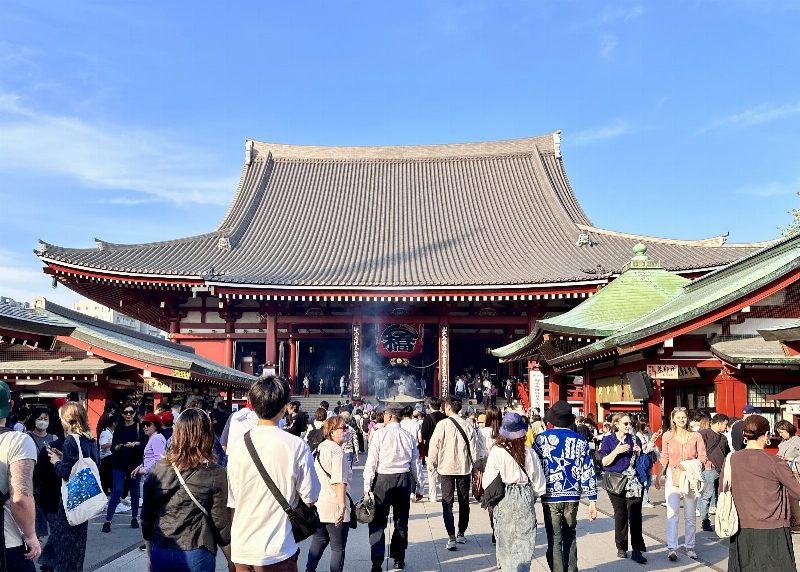
Main Gate of Kaminarimon: The vermilion wooden gate stands about 11.7 meters tall and 11.4 meters wide, serving as the entrance to Senso-ji Temple and Nakamise Shopping Street, providing visitors with their first impression of Asakusa. Giant Red Lantern: The large red lantern at the center has 'Kaminarimon' written on the front and the official name 'Furaijinmon' on the back. The lantern is updated approximately every ten years, and at the bottom, you can see dragon carvings and a golden plaque commemorating Konosuke Matsushita's donation. Statues of Wind and Thunder Deities: On either side of the gate, the Japanese deities of wind and thunder are enshrined, believed to bless the harvest and ensure local safety. Many Japanese people stop here to pay their respects before entering the temple. Heavenly Dragon and Golden Dragon Statues: After passing through Kaminarimon, you can see the pair of dragon tail statues, 'Heavenly Dragon' and 'Golden Dragon', from the back, symbolizing the guardian beasts of Senso-ji, often overlooked by visitors but worth a second glance. Entrance to Nakamise Street: After passing through Kaminarimon, you enter the historic Nakamise Shopping Street, which is about 250 meters long, lined with shops selling traditional sweets, toys, yukata, and souvenirs, making it a lively walking route from Kaminarimon to the main hall of Senso-ji Temple.
Hours & Admission
As the outer gate of Senso-ji Temple, Kaminarimon is an open public space accessible 24 hours a day, with no restrictions on opening hours. Visiting Kaminarimon itself is completely free, and there is no admission fee to enter Nakamise Street or Senso-ji Temple. Only certain special exhibitions or museums within the temple may charge a fee, which will be subject to official announcements from Senso-ji. During peak seasons (especially for New Year visits and the Asakusa Sanja Matsuri), the area can become very crowded, and some crowd control measures may be implemented, so it is advisable to allow extra time and follow on-site guidance.
Address
2-3-1 Asakusa, Taito City, Tokyo, Japan (in front of Senso-ji Temple Kaminarimon)
Travel Tips
The best times for photography are usually early morning and at night. In the morning, there are fewer crowds and the light is soft, while at night, the gate and the giant red lantern are illuminated, showcasing a rich Edo atmosphere, perfect for long exposure and street photography. The square in front of Kaminarimon often serves as a group meeting point, so if you plan to meet friends here, it is recommended to arrange to meet in front of the Asakusa Culture and Tourism Center or under a designated lantern to avoid confusion in the crowd. The surrounding area is a popular tourist spot and can be extremely crowded during holidays and major festivals, so please keep an eye on your belongings and avoid lingering near roadways for photos; those carrying luggage are advised to store it in a station locker or at their accommodation before exploring. From Kaminarimon, you can easily walk to the Sumida River waterfront, the Skytree observation point, or take a rickshaw to explore the nearby Kappabashi Tool Street, making it suitable for half-day to full-day itineraries.
Nearby Dining
The area around Kaminarimon and Nakamise Street is filled with numerous dining establishments and traditional sweet shops, including tempura, sushi, soba noodles, izakayas, and various wagashi, making it perfect for eating while strolling and experiencing the traditional downtown atmosphere. There are several cafes and tea houses near Kaminarimon and the Asakusa Culture and Tourism Center where you can enjoy matcha, traditional sweets, and light meals, making it a great place to relax and enjoy the street view after visiting Kaminarimon. Nakamise Street and the nearby alleys have many shops specializing in ningyo-yaki and kaminari-okoshi, local specialties from Asakusa, making them ideal souvenirs to take home or enjoy while walking around during your trip.
FAQ
Q: Is there an admission fee for Kaminarimon? A: No admission fee is required for Kaminarimon itself, and it is open 24 hours a day for free access. Visitors can take photos in front of the gate and walk through to Nakamise Street and Senso-ji Temple's main hall at any time; only certain special exhibitions or facilities within the temple may charge a fee, subject to Senso-ji's announcements. Q: What is the best time to visit Kaminarimon? A: The recommended times to visit Kaminarimon are early morning and at night, as these periods tend to have fewer crowds and beautiful lighting. In the morning, you can capture a less crowded square in front of the gate with soft natural light, while at night, you can enjoy the illuminated vermilion gate and giant red lantern, creating a particularly rich atmosphere, ideal for photography enthusiasts. Q: How do I get to Kaminarimon using public transportation? A: The simplest way to reach Kaminarimon is to take the subway or private rail to 'Asakusa Station', then walk a few minutes to arrive. From Tokyo Metro Ginza Line Asakusa Station Exit 1, it takes about 1 minute on foot; from Toei Asakusa Line A4 Exit, about 2 minutes; from Tobu Skytree Line Asakusa Station, about 3 minutes; and from Tsukuba Express Asakusa Station, about 8 minutes. After exiting, follow the signs towards Kaminarimon to see the giant red lantern. Q: What is the origin of the giant red lantern at Kaminarimon? A: The giant red lantern at Kaminarimon is a symbolic lantern representing Asakusa and Senso-ji Temple, crafted by artisans from Kyoto and replaced approximately every ten years. The lantern stands about 3.9 meters tall, 3.3 meters wide, and weighs around 700 kilograms, with 'Kaminarimon' written on the front and 'Furaijinmon' on the back, featuring intricate dragon carvings and a golden plaque commemorating the donation for its reconstruction by Konosuke Matsushita. Q: Is Kaminarimon the same place as Senso-ji Temple? A: Kaminarimon is not the temple itself but rather the outer gate and entrance landmark leading to Senso-ji Temple. After passing through Kaminarimon, you enter Nakamise Shopping Street, and by continuing straight, you can reach the main buildings of Senso-ji Temple, including the Treasure Gate, main hall, and five-story pagoda, so most travelers consider 'Kaminarimon + Senso-ji Temple' as an integral must-visit area.