Seoul Confucian Shrine
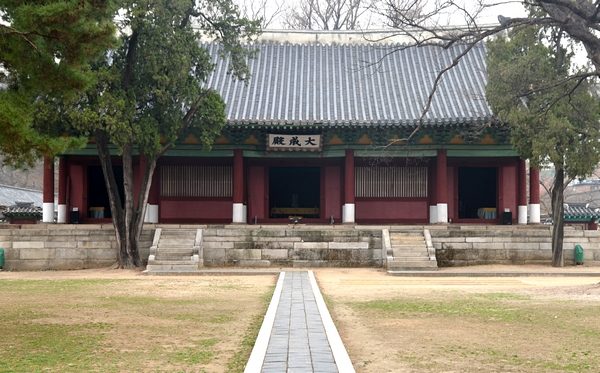
Image source: Wikimedia Commons; license credits as shown.
Overview
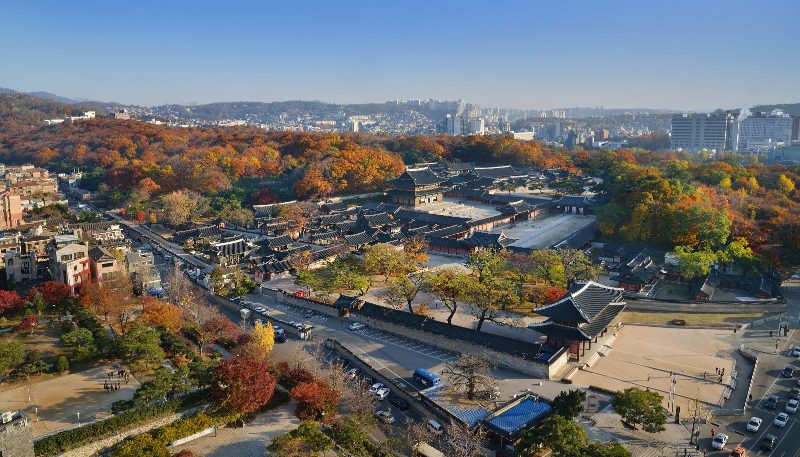
The Seoul Confucian Shrine is an important space for Confucian worship and education from the Joseon Dynasty, located within the campus of Sungkyunkwan University in the Jongno District of Seoul. Along with the Myeongnyundang, Daeseongjeon, and the century-old ginkgo trees on campus, it has become a well-known cultural site in Seoul, especially popular in the autumn.
Getting There
Take Seoul Metro Line 4 to Hyehwa Station, Exit 4, and walk about 10 minutes; you can also reach it from Anguk Station, Line 3, Exit 2.
Highlights
Dedicated to Confucius and Confucian sages, it is an important symbol of Korean Confucian culture. Located within the campus of Sungkyunkwan University, it allows visitors to experience both historical sites and the university atmosphere. In autumn, you can enjoy the famous ginkgo tree avenue and ancient ginkgo trees on campus.
What to See
Daeseongjeon: The main worship building housing the tablets of Confucius and other sages, alongside Myeongnyundang as a core space. Myeongnyundang: The lecture hall of Sungkyunkwan, an important place for Confucian scholars to teach. Campus Ginkgo Trees and Ginkgo Avenue: A representative autumn landscape that often attracts tourists for photography and sightseeing.
Hours & Admission
Admission is free and open year-round. General opening hours are from 09:00 to 17:30; weekdays are usually from 09:00 to 17:00, and weekends until 17:30, with slight adjustments in summer and winter. Certain areas may be temporarily inaccessible due to repairs, worship, or university management needs.
Address
25-1 Sungkyunkwan-ro, Jongno-gu, Seoul 03063; you can also see nearby addresses like 41 Sungkyunkwan-ro and 53 Myeongnyun-dong 3-gil.
Travel Tips
Autumn is the best time to visit, especially around November when the ginkgo scenery is most popular. It is recommended to walk from Hyehwa Station, as the route is clear and convenient for visiting the Daehangno area. If there are repair works or worship activities, some areas may have restricted access, so it's advisable to allow for flexible timing. Nearby are Sungkyunkwan University and the Daehangno area, suitable for a half-day walking itinerary.
Nearby Dining
There are campus restaurants and snack shops around Sungkyunkwan University, convenient for a meal on the way. The area around Hyehwa Station and Daehangno offers many restaurant and café options, making it easy to rest before or after your visit.
FAQ
Is there an admission fee for the Seoul Confucian Shrine? Answer: No, the Seoul Confucian Shrine is currently free to visit. What is the easiest way to get to the Seoul Confucian Shrine? Answer: Take Metro Line 4 to Hyehwa Station, Exit 4, and walk about 10 minutes for the easiest access. What season is the best to see the Seoul Confucian Shrine? Answer: Autumn is the best season, especially when the ginkgo trees turn yellow, which is most representative. Is the Seoul Confucian Shrine still a religious or educational site? Answer: It still belongs to the spaces related to Sungkyunkwan University, serving both historical worship and cultural display purposes.