Waryong Park
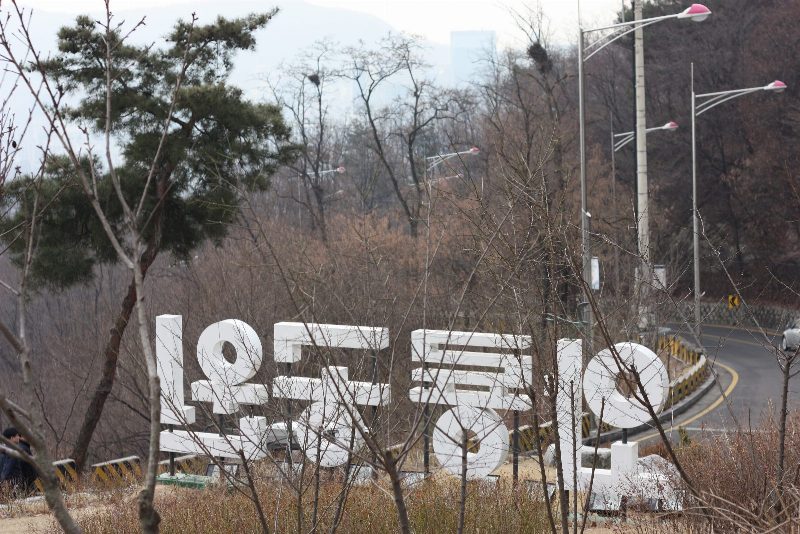
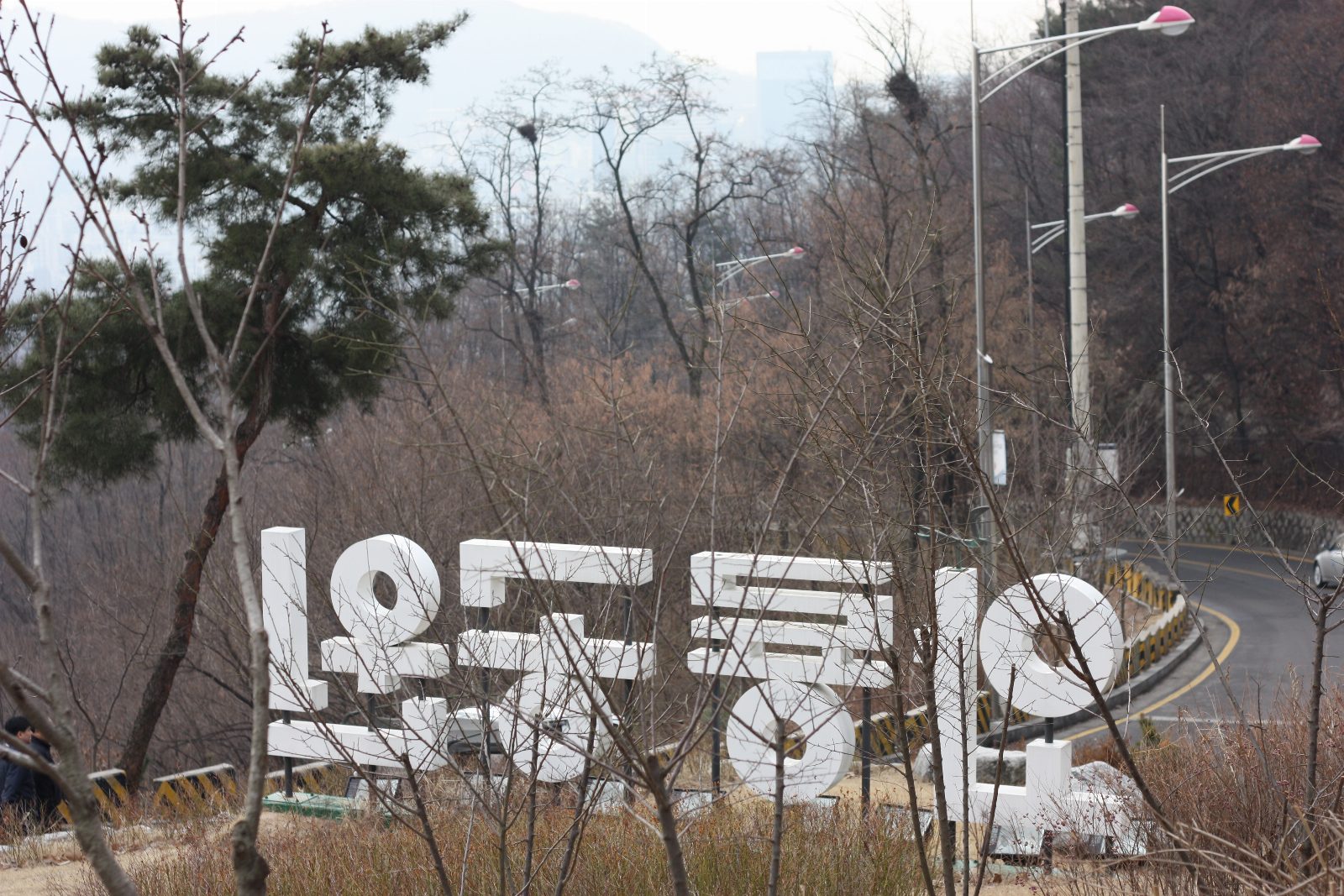
Image source: Wikimedia Commons; license credits as shown.
Overview
Waryong Park is a small hill park located at the foot of the mountain in Myeongnyun-dong, Jongno District, Seoul, South Korea. It is backed by Bukhansan Mountain and the Seoul City Wall, serving as an urban oasis that combines walking paths, sports facilities, and scenic flower views. Established in 1984, the park is named for its terrain that resembles a 'lying dragon' and underwent renovations in 2023, adding safety railings and landscaping to make the environment more suitable for hiking and relaxation. In spring, cherry blossoms, plum blossoms, azaleas, and forsythias bloom, connecting to the Seoul City Wall Trail and nearby natural attractions like Samcheong Park, making it a great spot to enjoy mountain views and city scenery in the heart of the city.
Getting There
The easiest way to reach Waryong Park is to take the Seoul Metro to 'Hyehwa Station' (Line 4) or 'Jongno 3-ga Station' (Lines 1, 3, and 5), then walk or transfer to a bus for about 10 to 20 minutes to arrive at the Myeongnyun-dong entrance area. You can also take a city bus heading to Samcheong-dong or Changdeokgung Palace and get off at a stop near Bukhansan Mountain and the City Wall Trail, then walk about 10 minutes to the park entrance following the signs.
Highlights
The biggest feature of Waryong Park is its proximity to Bukhansan Mountain and the Seoul City Wall Trail, allowing visitors to quickly transition from urban scenery to mountain landscapes, with views of the Seoul city skyline and city walls. The park retains well-maintained shaded paths and greenery, especially after tree planting initiatives, transforming previously barren slopes into gardens blooming with cherry blossoms and azaleas, making it particularly popular in spring. The park features badminton courts, aerobic exercise areas, fitness facilities, and traditional pavilions, making it suitable for morning exercises, jogging, and family outings, and is a beloved community park for local residents and travelers alike. Additionally, the section of the Seoul City Wall Trail that runs through the park is easy to walk and is a popular filming location to experience the atmosphere of Korean dramas and the city's history.
What to See
Waryong Park viewpoints: The high point near Ma'eul Mountain (Ma'eul Mountain Observatory) offers a panoramic view of the Seoul cityscape, skyscrapers, and Bukhansan Mountain city walls, making it an excellent spot for capturing city skyline and mountain scenery. Shaded and flower-lined paths: The circular paths within the park are lined with cherry blossoms, plum blossoms, azaleas, and forsythias, allowing for flower viewing and photography in spring, while in autumn, visitors can enjoy the vibrant maple leaves and layered mountain colors. Sports and recreation facilities area: The park includes badminton courts, aerobic exercise areas, and fitness facilities, along with pavilions and benches for resting, stretching, or picnicking with family after hiking. Seoul City Wall Trail connection point: A hiking route that extends along the Seoul City Wall passes through the park, connecting to Samcheong Park, Bukhansan Mountain, and other city wall sections, making it a must-visit historical trail for walking and photography enthusiasts.
Hours & Admission
Waryong Park is a public community park, generally open all day and free of charge, allowing visitors to freely enter for hiking and walking. However, certain sections connecting Bukhansan Mountain and the Seoul City Wall may sometimes be subject to time restrictions or temporary closures due to safety, military security, or weather conditions, so it is advisable to check announcements from the Seoul City or related hiking routes before heading out. Most sports facilities and general paths in the park are free to use, but participation in paid guided tours or hiking groups may require additional fees based on the itinerary.
Address
Myeongnyun-dong, Jongno District, Seoul, South Korea (south foot of Bukhansan Mountain, near Ma'eul Mountain and the Seoul City Wall)
Travel Tips
The best seasons to visit Waryong Park are spring when cherry blossoms and plum blossoms are in bloom, and autumn when the maple leaves turn vibrant and the weather is cool, making it suitable for light hiking and photography. While most paths are gentle slopes, some sections connecting Bukhansan Mountain and the city wall have ups and downs, so it is recommended to wear non-slip, comfortable sports shoes and prepare drinking water and simple warm or sun protection gear. The park's natural hillside terrain may have some muddy paths after rain, and during inclement weather or typhoon season, certain sections may be closed, so please follow on-site notices and staff instructions. The park itself is relatively tranquil, with limited dining and shopping options, so it is recommended to have a meal or prepare simple snacks in the Hyehwa Station, Jongno area, or Samcheong-dong, Bukchon Hanok Village before heading up for a walk.
Nearby Dining
Dining options near Waryong Park are limited, so it is advisable to plan meals in the nearby urban area before or after descending the mountain. You can choose to enjoy Korean barbecue, pub dishes, or coffee and desserts in the university district near Hyehwa Station, then walk or take a bus to the park, making it suitable for afternoon strolls and dinner plans. If visiting from Samcheong-dong or Bukchon Hanok Village, there are many hanok cafes, Korean set meals, and dessert shops along the way, allowing for a leisurely meal in the alleys before walking up the city wall trail to enjoy the city views at Waryong Park.
FAQ
Q: Is there an admission fee for Waryong Park? A: Waryong Park is a public community park, and entry is generally free, making it a great space for casual walks and jogging. However, if you wish to join a guided tour or hiking itinerary that includes sections of the Bukhansan Mountain city wall, there may be additional fees depending on the travel agency or platform. Q: What is the easiest way to get to Waryong Park from the city? A: To reach Waryong Park, you can take the Seoul Metro to 'Hyehwa Station' on Line 4 or 'Jongno 3-ga Station' on Lines 1, 3, and 5, then transfer to a bus or walk about 10 to 20 minutes uphill to reach the Myeongnyun-dong entrance. You can also walk along the Seoul City Wall Trail from Samcheong-dong or Bukchon Hanok Village, which is a longer route but offers beautiful scenery, suitable for a half-day hiking plan. Q: Is Waryong Park suitable for families and the elderly? A: Most paths in Waryong Park are gentle slopes, and the park also has exercise areas and resting pavilions, making it relatively suitable for families with children and the elderly to walk and exercise. However, some mountain paths connecting to Bukhansan Mountain and the city wall have ups and downs and stairs, so those with mobility issues may choose to stay in the flatter areas of the park and be mindful of their footing. Q: What kind of scenery can be seen at Waryong Park? A: The biggest attraction of Waryong Park is the combination of urban and mountain views, allowing visitors to overlook the skyscrapers of downtown Seoul, the city walls, and the forested landscapes around Bukhansan Mountain. In spring, cherry blossoms, plum blossoms, azaleas, and forsythias bloom, while in autumn, visitors can enjoy the maple leaves, and along the city wall trail, they can appreciate the scenery where ancient city walls, hanoks, and modern cities intertwine. Q: Does Waryong Park connect to the Seoul City Wall Trail? A: Waryong Park is indeed one of the important access points along the Seoul City Wall route, with a hiking trail extending from Bukhansan Mountain towards Samcheong Park and Naksan Park passing through it. Visitors can choose to take short walks around Waryong Park or extend along the city wall trail for hiking journeys ranging from about 2 to 4 hours.