Shanghai Museum
China · 黃浦區 · 上海市 · Museums, Culture & Arts
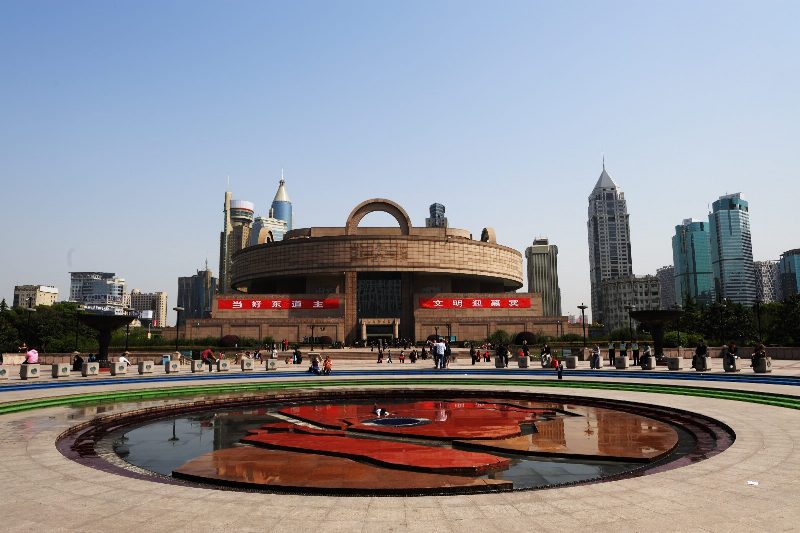
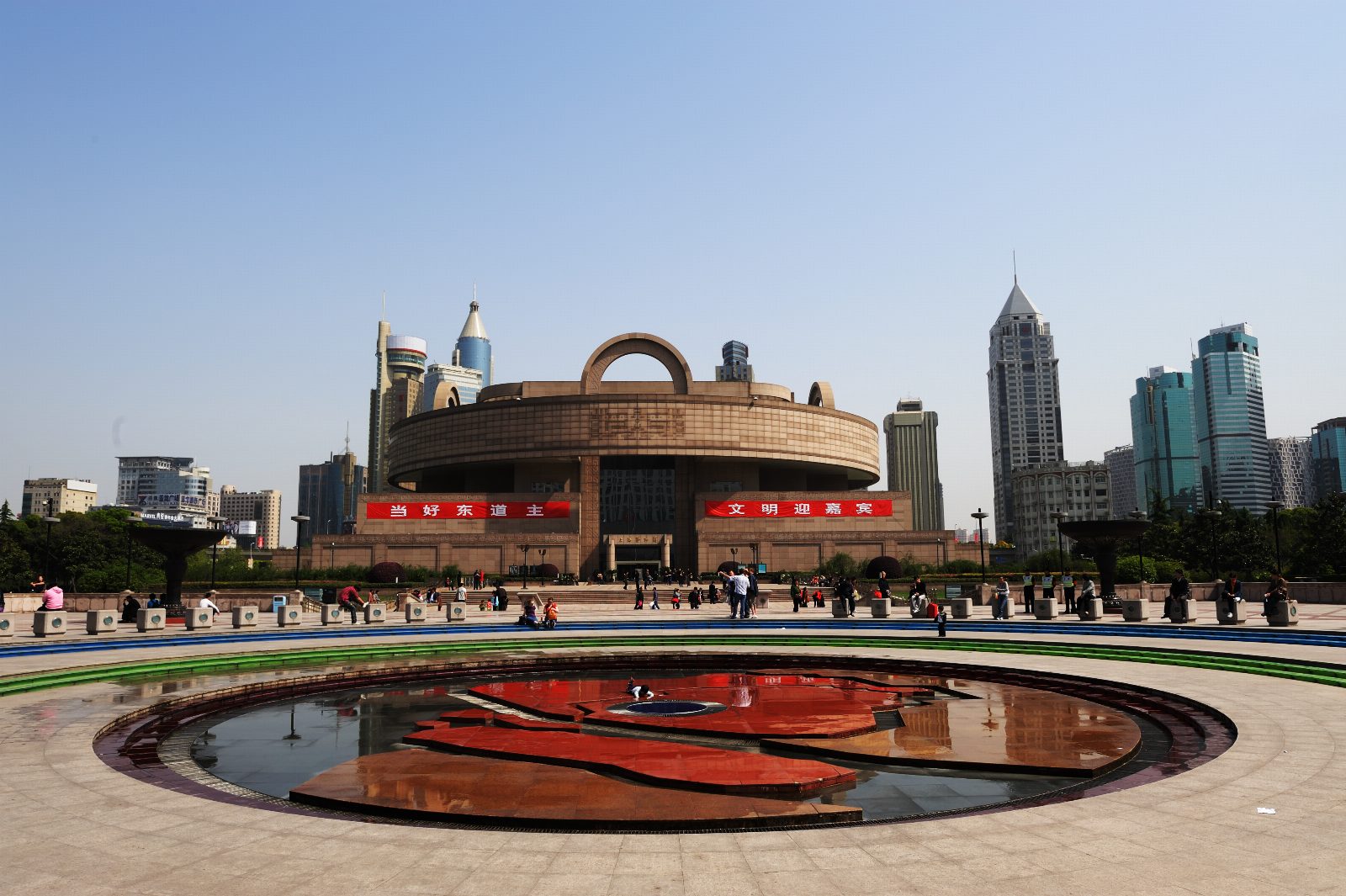
Image source: Wikimedia Commons; license credits as shown.
Overview
The Shanghai Museum is the most representative museum of ancient Chinese art in Shanghai, located at 201 Renmin Avenue, next to People's Square in Huangpu District, making it extremely convenient to access in the city center. The museum houses over one million artifacts, covering more than thirty categories including bronzes, ceramics, calligraphy, and jade, and is praised as one of the most comprehensive museums for ancient Chinese art in the world. As a national key museum and a first-class museum, the museum's permanent exhibitions and major special exhibitions rotate throughout the year, making it a must-visit site to understand Chinese civilization and Shanghai's unique culture. Currently, the museum includes two main venues: the People's Square Museum and the East Museum, with the People's Square Museum located in Huangpu District and the East Museum located on Century Avenue in Pudong New District.
Getting There
The most convenient way to reach the Shanghai Museum's People's Square venue is to take Metro Lines 1, 2, or 8 to 'People's Square Station', and then walk about 5 to 10 minutes to the south entrance of the museum at 201 Renmin Avenue. It is recommended to exit from Exit 1 or a nearby exit, and follow the signs along Renmin Avenue and Wusheng Road to see the distinctive dome-shaped building. Several bus routes also stop nearby, making it easy to access from various parts of the city.
Highlights
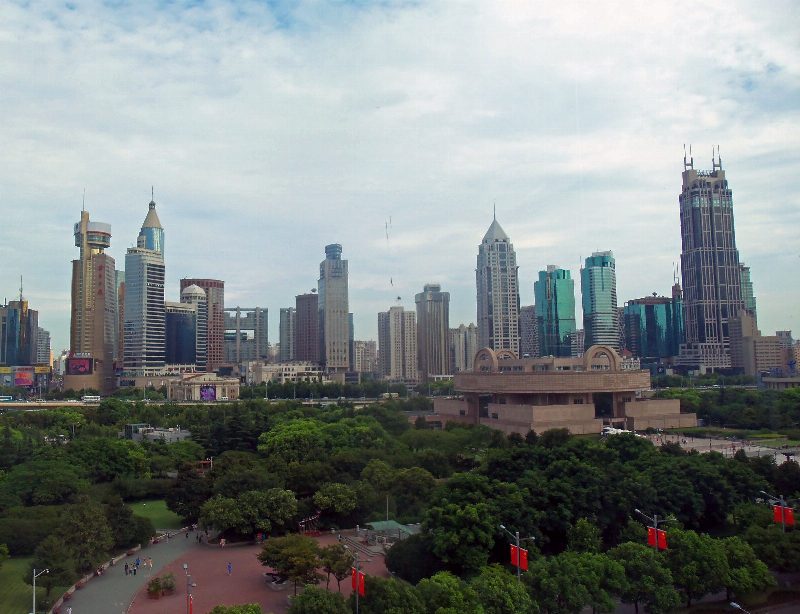
The biggest highlight of the Shanghai Museum is its vast and complete collection of ancient Chinese art, with over 1.02 million artifacts. The bronzes, ceramics, and calligraphy are particularly outstanding, recognized by both academia and the tourism industry as an important hall for studying and appreciating Chinese civilization. The museum features thirteen specialized halls and multiple temporary exhibition halls, covering bronzes, sculptures, ceramics, calligraphy, painting, jade, coins, seals, furniture, and ethnic minority crafts, allowing visitors to systematically read the history of Chinese art. As one of the first national first-class museums and a key national museum co-built by central and local governments, the Shanghai Museum frequently collaborates with world-class museums to introduce international special exhibitions such as ancient Egyptian civilization and Greek art, with content and quality that have a certain influence internationally. The main building located at People's Square is inspired by the concept of 'Heaven is round and Earth is square', resembling a bronze ding, complemented by the square's greenery and the city skyline, making it an excellent landmark for photography and experiencing Shanghai's urban cultural atmosphere.
What to See
1. Bronze Gallery: Houses a large collection of bronze ritual vessels, weapons, and musical instruments from the Shang and Zhou dynasties, with many national treasures showcasing early Chinese ritual and musical civilization and casting techniques, making it one of the museum's most notable permanent exhibitions. 2. Ceramics Gallery: Systematically presents the development of ceramics from primitive painted pottery to Ming and Qing imperial kilns, including celadon, white porcelain, blue-and-white porcelain, and various colored porcelain, serving as an important window to understand Chinese porcelain art and foreign trade. 3. Calligraphy and Painting Galleries: Exhibits authentic works from famous masters throughout history, ranging from stone inscriptions and cursive scripts to landscape, figure, and flower-and-bird masterpieces, with frequent rotations attracting many calligraphy and painting enthusiasts to savor the brushwork and composition. 4. Jade and Ancient Sculpture Gallery: The jade section displays jade ornaments and ritual jades from the Neolithic period to the Ming and Qing dynasties, while the sculpture gallery focuses on Buddhist stone carvings and statues, showcasing the fusion of religious art and stone carving techniques. 5. Ancient Chinese Furniture and Ethnic Minority Crafts: The furniture gallery features Ming and Qing huanghuali and rosewood furniture, showcasing traditional Chinese residential aesthetics; the ethnic minority crafts gallery presents clothing, accessories, and daily utensils, highlighting diverse cultural groups. 6. Special Exhibition Halls and East Museum: The People's Square Museum and East Museum periodically hold large international and themed special exhibitions, such as the ancient Egyptian civilization exhibition and cheongsam and century fashion, often open for free or by reservation, with fresh content suitable for family and in-depth travel.
Hours & Admission
The Shanghai Museum's People's Square venue is generally open from 9:00 AM to 5:00 PM daily, with entry stopping at 4:00 PM. It is usually closed on Mondays for maintenance, except for national holidays. The East Museum is generally open from 10:00 AM to 6:00 PM, with entry stopping at 5:00 PM, and is usually closed on Tuesdays except for national holidays. The opening hours of both venues may be extended or adjusted during major festivals or special exhibitions, so it is recommended to check the official website for the latest announcements before visiting. The museum's permanent exhibition areas are generally free to enter, and in recent years, they have adopted a system where 'basic exhibitions do not require reservations, while some special exhibitions require reservations or tickets'. Some popular or international exhibitions may require advance online reservations or on-site ticket purchases. Currently, the People's Square venue is open to the public for free, but to control the flow of visitors and ensure the quality of the exhibitions, some time slots or large exhibitions may require real-name reservations through the official WeChat account or website of the Shanghai Museum, so please pay attention to rule changes.
Address
201 Renmin Avenue, Huangpu District, Shanghai (Location of the main building of the People's Square Museum)
Travel Tips
It is recommended to reserve at least 3 to 5 hours for a leisurely visit to the Shanghai Museum. If you want to closely examine the calligraphy or bronzes in the specialized galleries, arranging half a day to a full day will be more comfortable, and you can choose a few key exhibition halls to focus on based on personal interests. During peak tourist seasons, weekends, and long holidays, crowds can be concentrated, and popular exhibition halls and special exhibitions often have long queues. It is advisable to enter shortly after the museum opens in the morning or use the official reservation system to choose time slots with relatively fewer crowds, and to download or obtain a museum guide map in advance to effectively plan your route. Since the museum has strong air conditioning and long walking routes, it is recommended to wear comfortable shoes and clothing and bring a light jacket depending on the season; eating and drinking are prohibited inside the museum, and visitors should consume water or snacks in designated rest areas. You may dine in the People's Square or Nanjing Road shopping area before entering the museum. The area around the Shanghai Museum is densely packed with attractions, allowing for a cultural and urban walking itinerary that combines the People's Square greenery, Shanghai Grand Theatre, Shanghai Urban Planning Exhibition Center (if open), Nanjing East Road Pedestrian Street, and the Bund, with a visit to the Bund in the evening to enjoy the night view of the Huangpu River.
Nearby Dining
The Shanghai Museum has basic resting facilities and a cultural and creative shop, but dining options are limited. Most visitors choose to walk to the People's Square or Nanjing Road area for meals, where there is a concentration of various Chinese restaurants, noodle shops, and fast-food chains, offering diverse choices at flexible price points. If you want to taste local Shanghai flavors, you can look for local restaurants and snack shops nearby, such as those serving home-style dishes like braised pork and stir-fried shrimp, or enjoy various East China and national cuisines at the food court of a large shopping center. Travelers with limited time can also choose cafes and bakeries for a quick meal before continuing their itinerary. The People's Square and Nanjing Road area also have several international brand coffee and dessert shops, suitable for a short break before or after the visit, to recharge after a long time walking in the museum and to organize exhibition insights.
FAQ
Q: Where is the Shanghai Museum? A: The Shanghai Museum is located at 201 Renmin Avenue, Huangpu District, Shanghai, right next to People's Square in the city center, making it a city landmark museum easily accessible by metro and bus. The museum is adjacent to the greenery of People's Square and several cultural buildings, allowing for a walking connection to multiple attractions, making it very suitable for a one-day tour in the city center. Q: Is there an admission fee for the Shanghai Museum? A: The basic permanent exhibitions of the Shanghai Museum's People's Square venue and East Museum are currently free to the public, but some special exhibitions may require separate tickets or reservations for entry. As policies and exhibition conditions may change over time, it is recommended to check the official website or WeChat public account before departure to confirm whether current exhibitions are charged and the reservation rules, to avoid missing out on desired exhibitions or facing long queues. Q: What are the opening hours of the Shanghai Museum? A: Generally, the opening hours of the Shanghai Museum's People's Square venue are from 9:00 AM to 5:00 PM, with entry stopping at 4:00 PM. It is usually closed on Mondays for maintenance, except for national holidays; the East Museum is open from about 10:00 AM to 6:00 PM, with entry stopping at 5:00 PM, and is usually closed on Tuesdays except for national holidays. During major exhibitions or holiday periods, opening hours may be slightly adjusted or extended, so it is advisable to check the official website for the 'Opening Hours' section before planning your visit to grasp the latest arrangements. Q: How do I take the metro to the Shanghai Museum? A: The most convenient way to reach the Shanghai Museum's People's Square venue is to take Shanghai Metro Line 1, Line 2, or Line 8, and after arriving at 'People's Square Station', walk about 5 to 10 minutes to reach 201 Renmin Avenue. After exiting, follow the signs towards People's Square and Renmin Avenue, where you will see prominent city guide signs along the way, and you can easily reach the south entrance of the museum, which is relatively friendly for first-time visitors to Shanghai. Q: Do I need to make a reservation to visit the Shanghai Museum? A: The basic exhibitions of the Shanghai Museum are mostly free and regularly open, but to control visitor flow and ensure exhibition quality, some time slots or popular exhibitions and events may require advance online reservations, especially during holidays and popular international exhibitions. Currently, official reservations are mainly made through the 'Shanghai Museum' official website and WeChat public account for real-name reservations and ticket management. It is recommended to reserve your desired exhibition dates and times online before planning your itinerary and to allow time for security checks and entry queues. Q: Can I bring children to the Shanghai Museum? A: The Shanghai Museum is very suitable for family visits, with many exhibition halls introducing historical and cultural content through illustrated texts and physical displays. Some exhibition areas and special exhibitions also incorporate multimedia interactive devices, which can spark children's interest in history and art. The museum environment is clean, with clear pathways and provides restrooms and resting areas, but since many exhibits are precious artifacts, parents need to monitor children's behavior to avoid running and touching display cases; it is recommended to focus on key exhibition halls and prepare simple snacks and water in advance, resting outside the museum or in designated areas to recharge.