Shimpuku-ji
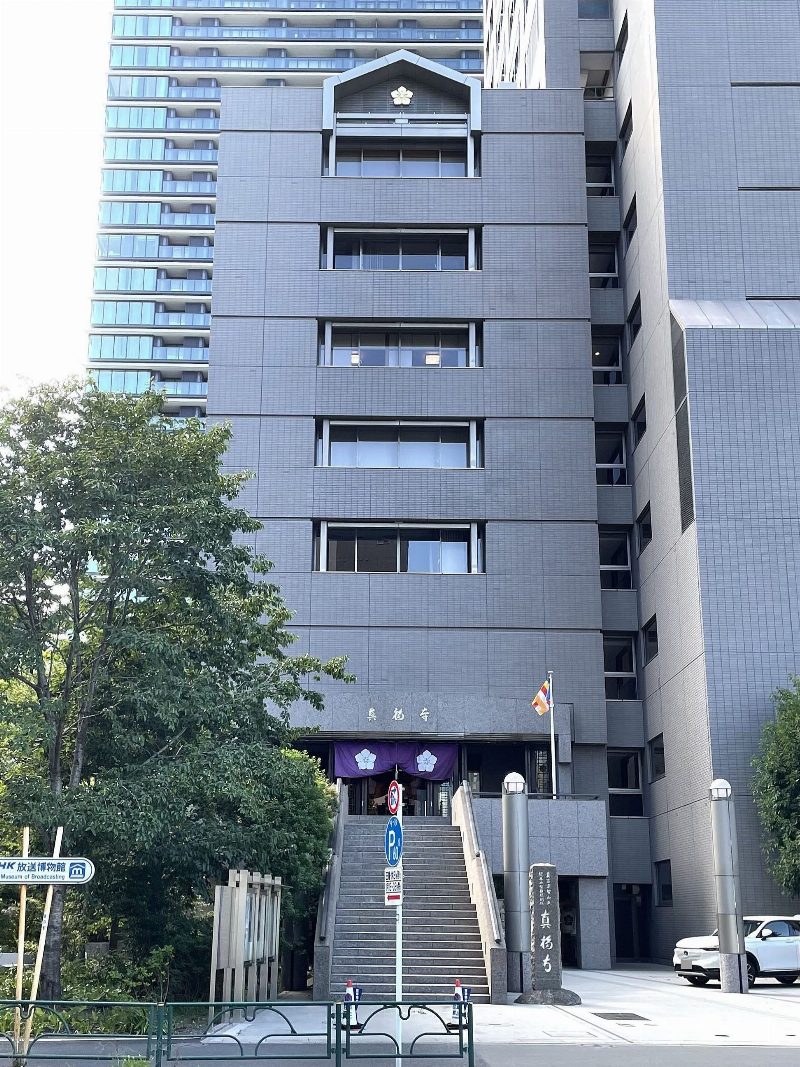
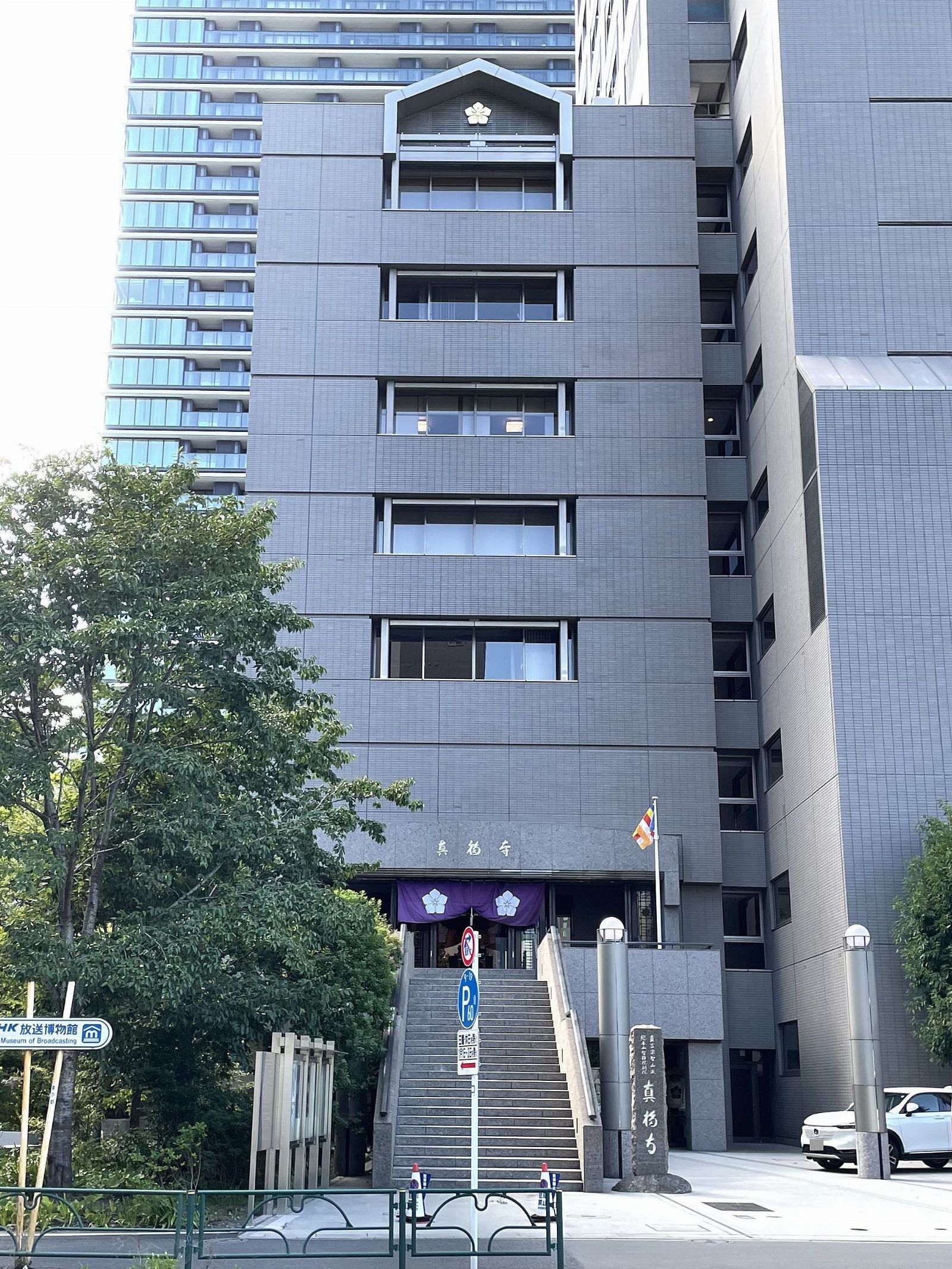
Image source: Wikimedia Commons; license credits as shown.
Overview
Shimpuku-ji is a small temple located in the Atago area of Minato, Tokyo. It offers a serene environment nestled between office buildings and residential areas, presenting a tranquil corner in the city. The temple's history dates back to the Edo period and serves primarily as a place for local residents to worship, honor ancestors, and pray daily. Due to its small scale and fewer visitors, it is ideal for a visit alongside a stroll around Atago Mountain.
Getting There
The most convenient way to reach Shimpuku-ji is by taking the Tokyo Metro Hibiya Line to Toranomon Hills Station or the Toei Mita Line to Onarimon Station, followed by a walk of about 8 to 12 minutes to the temple area in Atago. It is also possible to walk from JR Shimbashi Station or Hamamatsucho Station, which takes about 15 to 20 minutes, enjoying a leisurely stroll around Atago Mountain and the NHK Broadcasting Museum.
Highlights
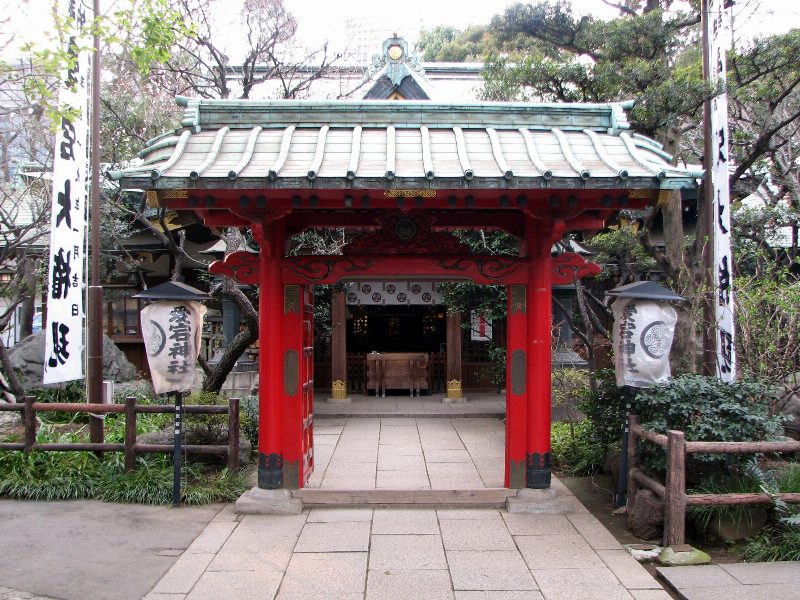
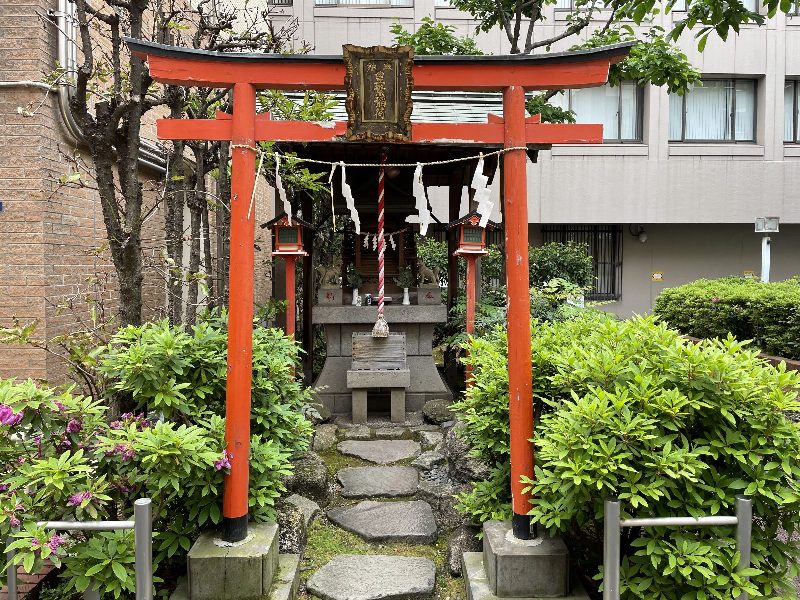
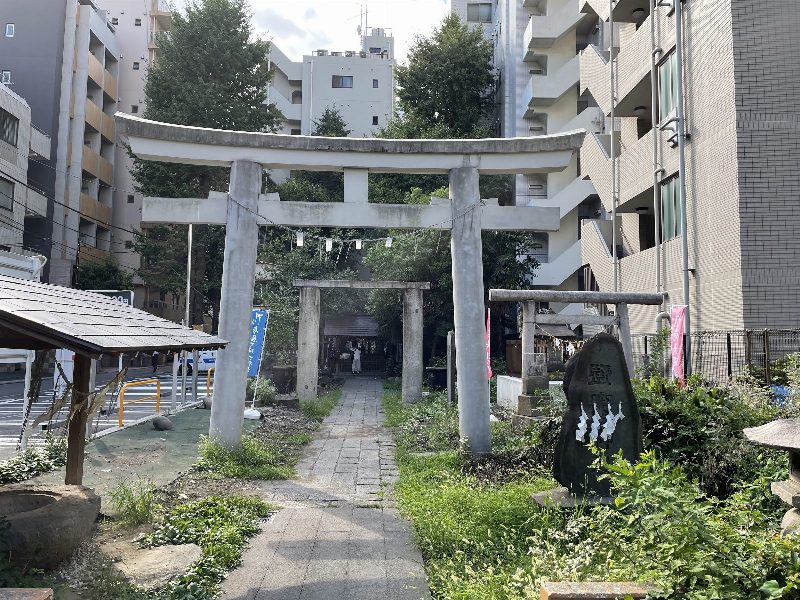
Shimpuku-ji is a small urban temple known for its tranquil atmosphere and strong sense of local life, rather than touristy grandeur or large events. The temple houses Buddha statues, various ancient stones, and memorial towers, reflecting the history of local residents who have prayed and honored their ancestors here for many years. Located near Atago Mountain, visitors can enjoy the urban landscape where tall buildings and greenery intertwine. Although the temple's architecture and gate are understated, they stand out in the high-rise Minato area, making it a suitable brief stop for travelers interested in Tokyo's everyday faith culture.
What to See
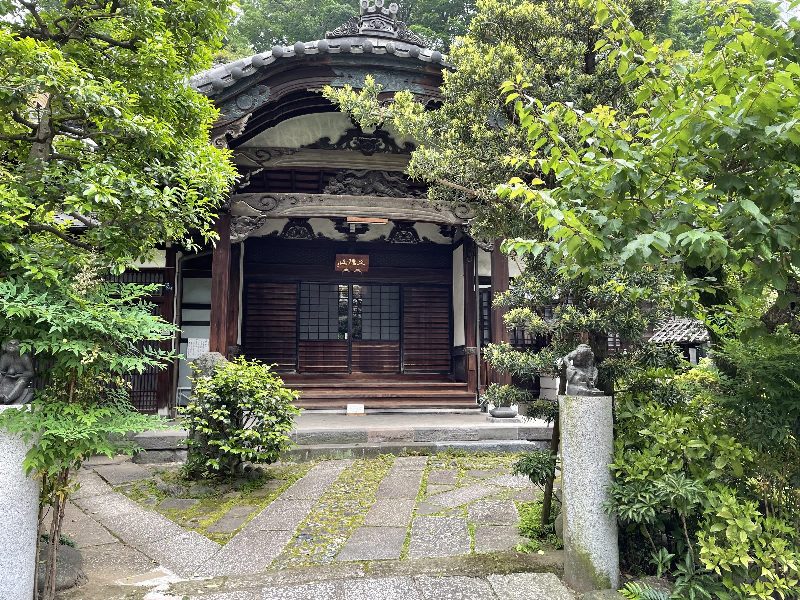
Main Hall: The main hall of Shimpuku-ji is a traditional Japanese wooden structure with a simple and unadorned exterior, housing the principal deity and various Buddhas and Bodhisattvas, serving as the center for daily worship and ceremonies for residents. Mountain Gate and Temple Sign: At the entrance stands a stone tablet or temple sign inscribed with 'Shimpuku-ji,' complemented by a small mountain gate, creating a striking contrast with the surrounding office buildings. Stone Tablets and Memorial Towers: Within the temple grounds, visitors can see memorial towers, stone tablets, and graves, documenting the history and faith of local worshippers, showcasing the temple's long-standing role as a spiritual refuge for the community. Surrounding Streetscape: The area surrounding the temple is a quiet neighborhood near Atago Mountain, where a leisurely walk allows one to experience the lesser-known aspects of life behind Tokyo's commercial districts.
Hours & Admission
As a local temple, Shimpuku-ji generally welcomes visitors and worshippers during the day without an admission fee. However, whether the main hall is open depends on the day's ceremonies and the temple's arrangements. Typically, there is no entrance fee for worship, but if you wish to light incense, offer flowers, or write memorial tablets, please follow the on-site instructions or the guidance of the temple staff regarding donations. It is recommended to visit in the morning to late afternoon to avoid disturbing the temple and nearby residents during early morning or nighttime hours.
Address
Atago area, Minato, Tokyo, Japan (near Atago Mountain and the NHK Broadcasting Museum, part of the Minato city center temple)
Travel Tips
Shimpuku-ji is small, and a visit of about 10 to 20 minutes is sufficient. It is suitable to combine with a walking route that includes Atago Shrine, Atago Mountain, Toranomon Hills, or the Shimbashi area. The temple primarily serves local worshippers, so please maintain silence during your visit, avoid loud conversations, and refrain from taking group photos near graves or memorial towers as a sign of respect. It is advisable to visit on weekdays during the day when there are fewer crowds, allowing for a more peaceful experience. The Minato area has many commercial facilities, so if you need to eat or rest, you can walk to nearby restaurants and cafes around the station. The temple typically does not have large parking facilities, so those driving can use nearby coin-operated parking lots.
Nearby Dining
The Atago and Toranomon areas surrounding Shimpuku-ji have many cafes and lunch spots frequented by business customers, which you can walk to before or after your visit. For an authentic experience of a Japanese salaryman's daily life, consider nearby Japanese set meal restaurants, ramen shops, or izakayas, especially during lunch hours when there are many options. If you prefer a quieter resting space, it is recommended to visit cafes in nearby large office buildings or hotel cafes, which are comfortable and often have power outlets and Wi-Fi. Since Shimpuku-ji itself is not known for dining, it is suggested to plan meals in the commercial areas around Shimbashi, Toranomon, or Hamamatsucho stations.
FAQ
Q: Where is Shimpuku-ji located in Minato, Tokyo? A: Shimpuku-ji is located in the Atago area of Minato, a small temple nestled between office buildings and residential areas. When visiting, you can also plan to visit nearby attractions like Atago Shrine and the NHK Broadcasting Museum as part of a walking route. Q: Is there an admission fee for Shimpuku-ji? A: Generally, there is no admission fee for worship at Shimpuku-ji, as it serves local residents for daily worship. If you wish to light incense, offer flowers, or write memorial tablets, please follow the on-site instructions or the temple's guidance regarding donations. Q: Does Shimpuku-ji have fixed opening hours? A: Shimpuku-ji is usually open for worship during the day, but whether the main hall is open depends on the day's ceremonies and the arrangements of the temple staff. It is recommended to visit between morning and evening to avoid visiting too early in the morning or at night, which may disturb the temple and nearby residents. Q: How can I get to Shimpuku-ji using public transportation? A: You can take the Tokyo Metro or Toei Subway to Toranomon Hills Station or Onarimon Station, then walk about 8 to 12 minutes to reach the Atago area. Alternatively, you can walk from JR Shimbashi Station or Hamamatsucho Station for about 15 to 20 minutes, leisurely making your way around Atago Mountain. Q: Is Shimpuku-ji suitable for sightseeing and photography? A: Shimpuku-ji is more of a local faith temple rather than a tourist attraction, so it is recommended to focus on the temple's architecture and streetscape when taking photos, and to avoid close-up shots of graves or worshippers. If you are unsure whether photography is allowed inside the main hall, please check with the temple staff or personnel first. Q: Is there a dress code for visiting Shimpuku-ji? A: There is no strict dress code for visiting Shimpuku-ji, but it is recommended to wear modest clothing that is not overly revealing, and to keep noise levels down and silence mobile phone ringtones while on the premises as a sign of respect. If there are ceremonies taking place, please avoid lingering near the main hall for photos or loud conversations.