Atago Shrine
Japan · Tokyo Metropolis · Minato · Landmarks
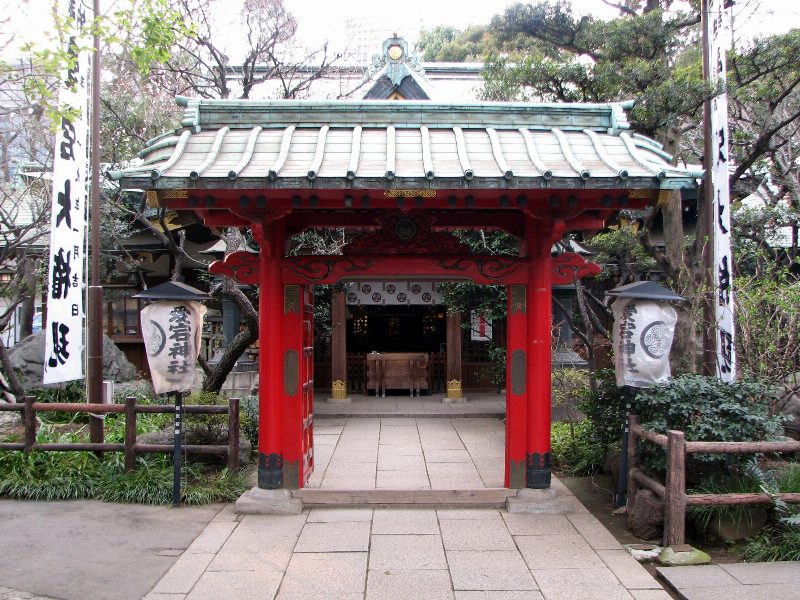
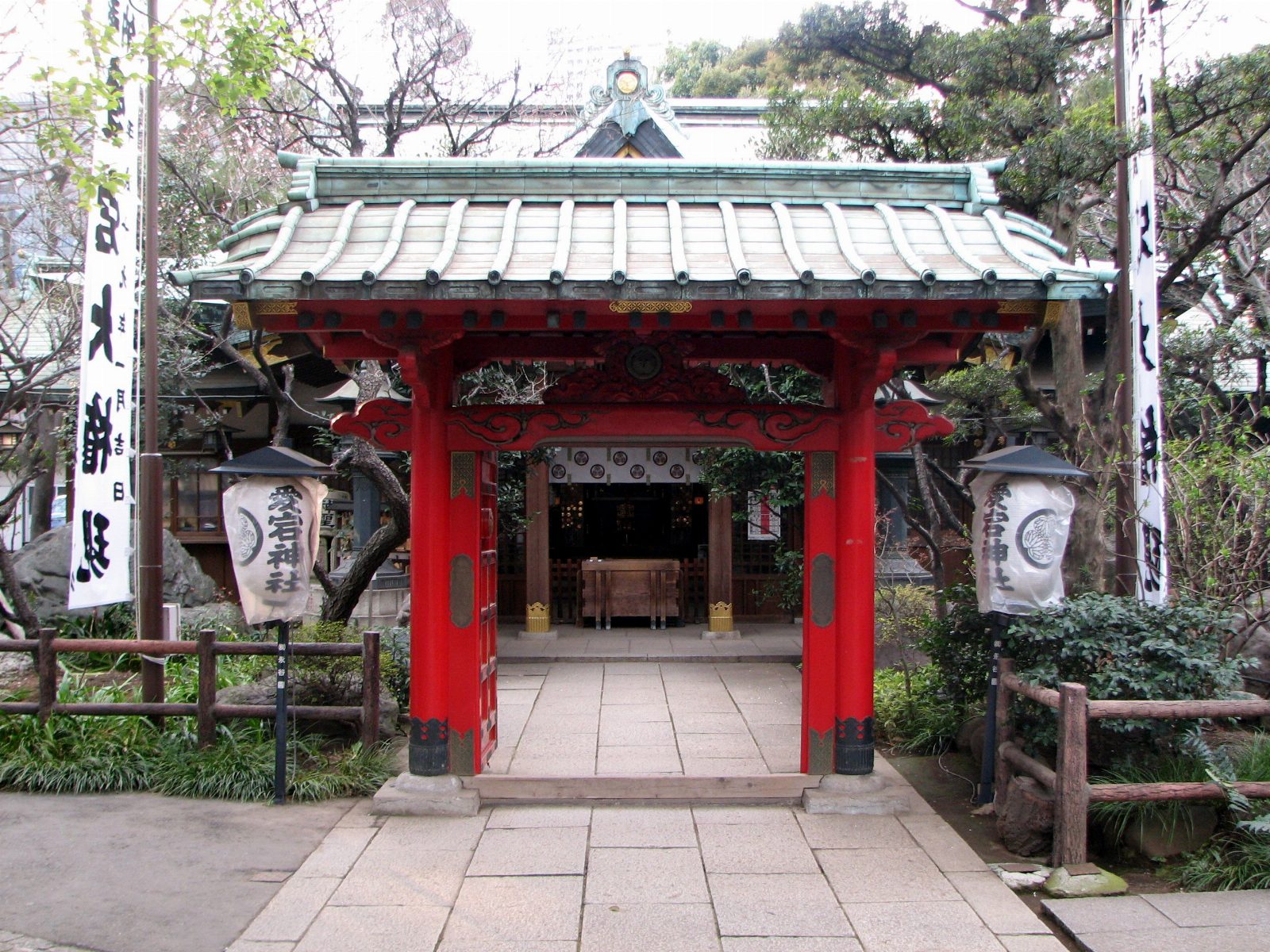
Image source: Wikimedia Commons; license credits as shown.
Overview
Atago Shrine is a historic shrine located at the top of Atago Mountain in Minato, Tokyo. It is famous for praying for fire prevention, good fortune, and success in life, and has been an important center of faith protecting the city of Tokyo since the Edo period. The shrine was established in 1603, reportedly commissioned by Tokugawa Ieyasu, and is affiliated with the main shrine in Kyoto. The environment within the shrine is lush and green, with cherry blossoms in spring, greenery in summer, autumn leaves, and winter snow, making it a rare tranquil natural space in the city center. The famous 'Stairs of Success' and the 'Thousand-Day Pilgrimage and Hozuki Market' held every June attract many office workers and tourists to visit and take photos.
Getting There
The easiest way to reach Atago Shrine is to take the Tokyo Metro to 'Kamiyacho Station' or 'Toranomon Hills Station', and then walk about 5 minutes from the exit to the foot of the mountain. You can also walk about 8 minutes from 'Toranomon Station' on the Ginza Line or 'Onarimon Station' on the Toei Mita Line, while JR 'Shimbashi Station' is about a 20-minute walk away. Additionally, you can take the Toei Bus Shibu 88 to 'Toranomon 3-chome' or the Tokyu Bus Higashi 98 to 'Atago-yama-shita' and then walk a few minutes to climb Atago Mountain.
Highlights
Atago Shrine is an ancient shrine in the city center dedicated to the fire deity 'Hikarisan' and is known for fire prevention, disaster prevention, good fortune, and success in life. Its establishment can be traced back to the Keicho era (1603) during Tokugawa Ieyasu's time. The shrine is located at the top of Atago Mountain, which is about 26 meters high, making it the highest natural point in the 23 wards of Tokyo. From within the shrine, you can overlook the surrounding skyscrapers and cityscape, experiencing a peaceful atmosphere amidst the hustle and bustle. The most representative feature is the 'Stairs of Success' leading to the shrine hall — a steep stone staircase named after the story of the samurai Kuragaki Heikuro riding up the stairs to present plums to the shogun, symbolizing career advancement and promotion. The shrine also enshrines deities related to information technology, making it popular among office workers and entrepreneurs, and is known for its seasonal scenery with cherry blossoms in spring and autumn leaves.
What to See
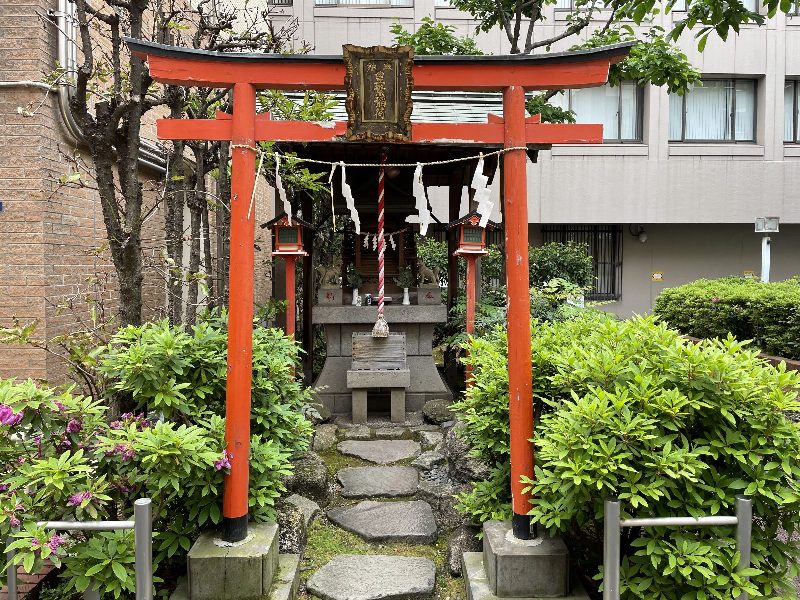
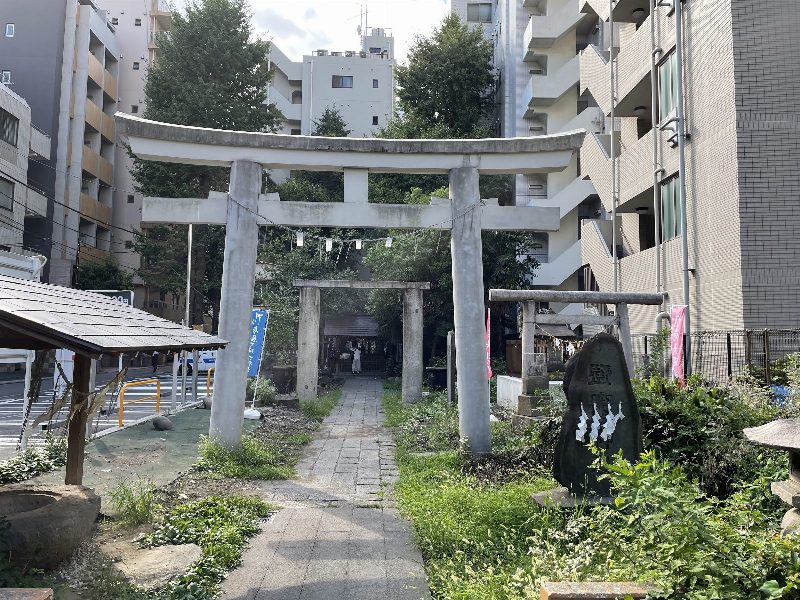
Atago Mountain Shrine Hall: The main hall and worship hall located at the summit of Atago Mountain are the core areas for worship, enshrining the main deity Hikarisan along with other deities such as Kannon, Oyamatsumi, and Yamato Takeru, where people pray for fire prevention, disaster prevention, good fortune, and success in life. Stairs of Success: The steep stone staircase leading to the shrine is famous as the 'Stairs of Success', where it is said that the samurai Kuragaki Heikuro once rode up to present plums to the shogun, thus becoming a symbol of promotion and success, making it a must-visit spot for photos and physical challenges. Mountain Gate and Approach Path: At the foot of the mountain, there is a solemn torii gate and approach path, where you can experience the rare tranquility and greenery of the city as you walk along the shaded path. The gentle ascent to the summit is a more relaxed route suitable for visitors who do not wish to challenge the steep stairs. Natural Scenery: The shrine grounds are planted with cherry trees, maple trees, and various plants, with cherry blossoms blooming in spring, hydrangeas in early summer, vibrant autumn leaves, and occasional winter snow, making Atago Shrine a city secret ideal for walking and photography throughout the year. Historical Relics and Small Attractions: Within the shrine grounds, you can see the legendary plum tree once offered to the shogun, the 'Lucky Stone' symbolizing good fortune, and koi swimming in the pond behind the shrine office, all revealing details of Edo stories and shrine culture.
Hours & Admission
Atago Shrine is open all day, and visitors can generally worship and stroll freely. However, during certain festivals or special ceremonies, some areas may have restricted access or temporary entry limitations. The specific times for blessings, amulets, and goshuin (temple stamps) are usually based on the shrine office's opening hours, so it is recommended to visit during the day and allow time for worship and exploring the various attractions within the grounds. The shrine does not charge an admission fee for general worship, but there may be fees for special ceremonies, blessings, or purchasing amulets, ema (votive tablets), and goshuin, with details subject to local announcements and shrine office explanations. The main festival day is September 24 each year, and the 'Thousand-Day Pilgrimage' and 'Hozuki Market' held every June are also important local events, during which the shrine may be busier, and worship and flow arrangements may be slightly adjusted.
Address
〒105-0002 1-5-3 Atago, Minato, Tokyo, Japan
Travel Tips
It is recommended to visit Atago Shrine on a clear day to easily capture photos of the Stairs of Success and the scenery within the shrine, as well as to enjoy the view of the surrounding skyscrapers and cityscape from Atago Mountain. Spring cherry blossoms and autumn leaves are particularly popular seasons, so if visiting during these times, it is advisable to arrive early to avoid crowds at noon and in the evening, and you can also take the opportunity to photograph seasonal scenery. The Stairs of Success are very steep, so be sure to wear non-slip and comfortable shoes while being mindful of your footing and stamina; elderly visitors, children, or those with mobility issues are advised to take the gentler side paths and approach paths to ascend the mountain, avoiding the challenge of the steep stairs. The shrine is located in a commercial area with many office buildings, so it tends to get crowded with office workers during lunchtime and commuting hours. If you wish for a quieter visit, consider going in the morning or early on weekends. The 'Thousand-Day Pilgrimage' and Hozuki Market held every June are popular among local residents and travelers, so if you want to experience the lively market and traditional worship atmosphere, plan your visit during this time, but expect larger crowds and pay attention to the shrine's transportation and event announcements.
Nearby Dining
The area around Atago Shrine is a commercial district, and there are many cafes, Japanese set meal restaurants, and izakayas along the way from Kamiyacho Station, Toranomon Station, or Toranomon Hills Station, making them good options for dining and resting before or after worship. The Kamiyacho area has several chain cafes and casual dining spots, suitable for morning or afternoon tea breaks; while Toranomon and Shimbashi directions have more business lunch restaurants and izakayas offering a variety of dishes such as sushi, yakitori, ramen, and Western cuisine. If you prefer a quieter dining atmosphere, you can choose restaurants and cafes in the commercial facilities around Toranomon Hills, which are about a 5 to 10-minute walk from Atago Shrine, offering dining options with views of the skyscrapers and minimalist cafes. Since the area is frequented by office workers, it can get crowded during lunchtime on weekdays, so it is advisable to avoid peak hours or make reservations at popular restaurants in advance to ensure a comfortable dining experience while preserving time for worship and strolling.
FAQ
Q: Who is the main deity worshipped at Atago Shrine? What benefits does it provide? A: The main deity of Atago Shrine is Hikarisan, who governs fire and fire prevention, along with other deities such as Kannon, Oyamatsumi, and Yamato Takeru. The main benefits are fire prevention, disaster prevention, good fortune, and success in life, and it is also believed to have protective powers in the fields of information and computers. The shrine has served as the 'guardian of fire prevention' since the Edo period, protecting the city's safety, and has become an important place for office workers and business people to pray for work success, promotions, and business prosperity. Q: How do I get to Atago Shrine? What is the nearest station? A: The easiest way to get to Atago Shrine is to take the Tokyo Metro Hibiya Line to 'Kamiyacho Station' or 'Toranomon Hills Station', and then walk about 5 minutes to reach the foot of Atago Mountain. You can also walk about 8 minutes from 'Toranomon Station' on the Ginza Line or 'Onarimon Station' on the Toei Mita Line, while JR Shimbashi Station is about a 20-minute walk away. Additionally, you can take the Toei Bus Shibu 88 or Tokyu Bus Higashi 98 to 'Toranomon 3-chome' or 'Atago-yama-shita' and then walk up the mountain. Q: Is there an admission fee for Atago Shrine? Are there any restrictions on worship times? A: There is no admission fee for general worship at Atago Shrine, and visitors can freely enter for worship and strolling. Only during special blessings, ceremonies, or when purchasing amulets, ema, or goshuin, will there be corresponding fees. The specific opening hours for the shrine office and blessing area may vary by season and event, so it is usually recommended to visit during the day. If you need special blessings or wish to participate in a festival, you can confirm the arrangements for that day in advance through the official website or by phone. Q: What are the 'Stairs of Success'? Are they suitable for everyone to climb? A: The 'Stairs of Success' is a very steep stone staircase connecting the foot of the mountain to the Atago Shrine hall. It is considered a symbol of career advancement and success due to the legend of the samurai Kuragaki Heikuro riding up the stairs to present plums to the shogun. The steepness and number of steps can be quite taxing on the knees and stamina, and it is not recommended for elderly visitors, young children, or those with mobility issues to attempt to climb. These visitors can take the gentler side paths and approach paths to reach the shrine hall for worship. Q: Does Atago Shrine have recommended visiting times or seasons? A: Atago Shrine is suitable for visits year-round, with spring cherry blossoms and autumn leaves being particularly popular times, making it ideal for photography and enjoying the seasonal scenery from the mountaintop. If you want to avoid office workers and tourist crowds, consider visiting on weekday mornings or early on holidays; travelers who enjoy a lively atmosphere may choose to visit during the annual June Thousand-Day Pilgrimage and Hozuki Market to experience the traditional market and the gathering of worshippers.