Three-Eyed Well
Taiwan · Kinmen County · 金寧鄉 · Historic Sites
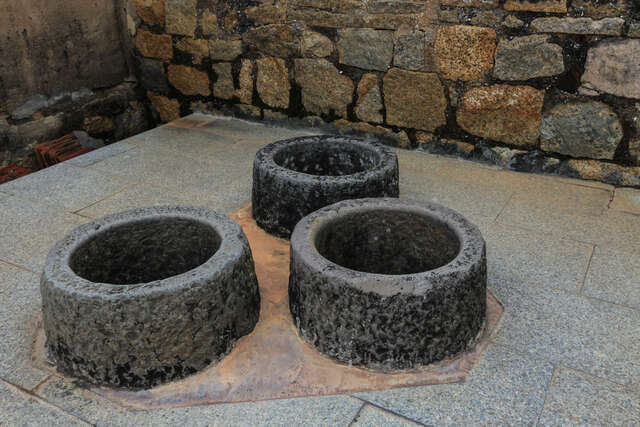
Image source: Taiwan_Opendata; license credits as shown.
Overview
Located in Nanshan Settlement in Guningtou, the Three-Eyed Well was once an indispensable public space in the daily lives of local residents. This ancient well was ingeniously designed with three water-drawing openings arranged in a pin-shaped pattern, allowing three people to draw water at the same time, making it one of Kinmen’s rare traditional wells.
Highlights
The Three-Eyed Well is a traditional ancient well designed with three water-drawing openings arranged in a pin-shaped pattern. It served as an important public space where early residents of Nanshan Settlement drew water, washed clothes, and socialized. The well can accommodate three people drawing water at once, showcasing the practical ingenuity of the early settlers. It is also one of the rare and representative traditional wells in Kinmen, making it a pleasant stop to combine with a walking tour of Guningtou’s settlements and to experience the simple rural atmosphere and local way of life.
What to See
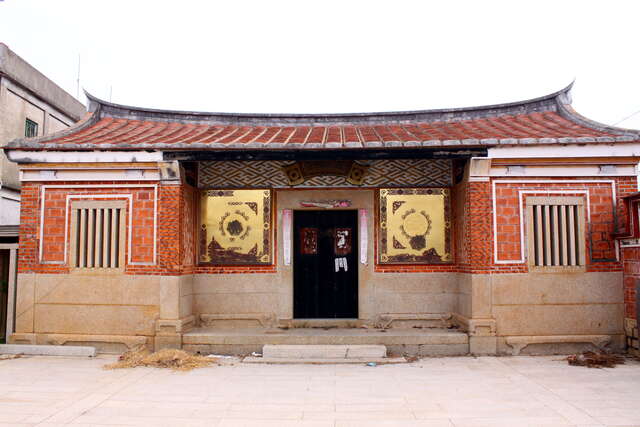
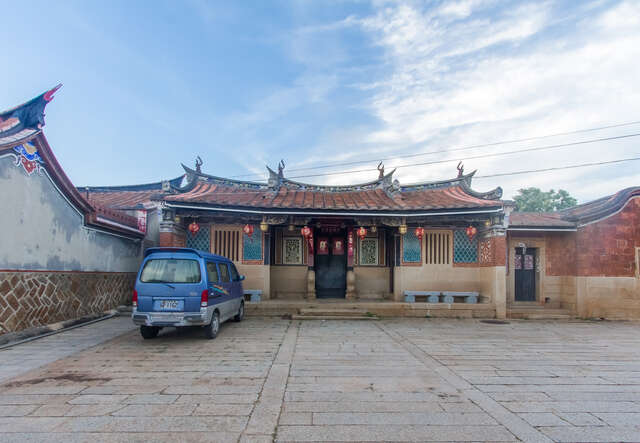
1. Three-Eyed Well layout: The wellhead features three circular water-drawing openings arranged in a pin-shaped pattern. It is both symbolic and functional, allowing three people to draw water simultaneously, reducing waiting time and disputes while reflecting the practical and harmonious values of earlier generations. 2. Traditional well structure: The well is built in a traditional style, retaining its stone masonry structure and simple appearance. It harmonizes with the surrounding Minnan-style settlement architecture, presenting a classic Kinmen rural wellscape. It is suitable for viewing and photography, but stepping on the wellhead is not recommended. 3. Daily-life setting in Nanshan Settlement: The Three-Eyed Well stands beside the homes of Nanshan Settlement. In the past, it was a social space where residents washed clothes, chatted, and exchanged information. Visitors can stroll through the alleys and imagine its former role as the village’s “living room.” 4. Local stories and names: The well was once called the “Three-Hole Well” or the “Pin-Shaped Well.” Local tradition also tells of a Qing-dynasty gentry figure who funded the reconstruction of the wellhead to resolve disputes over water collection, giving the well an added sense of cultural and moral significance.
Address
No. 43-2, Nanshan, Jinning Township, Kinmen County 892 Tel: (08) 2313100
Travel Tips
The Three-Eyed Well can be visited year-round and is suitable to include on the same walking or self-drive route as Guningtou Battlefield, Beishan, and Nanshan Settlement. Visiting during the daytime is recommended for better light and easier observation of the well structure and surrounding settlement details. Most travelers reach the site by self-drive, scooter, or chartered car, following road signs and navigation to Nanshan Settlement in Jinning Township. After arrival, the well is reachable on foot. Because the lanes are narrow, parking should not obstruct local residents. Out of respect for local beliefs about the well deity, traditional custom holds that water drawn from the well should not be poured back in. Visitors should also avoid throwing objects into the well or attempting to draw water casually, even if they are only sightseeing and taking photos. This is an open-air space with little shade or facilities. In summer, bring drinking water, sun protection, and other shade items. On rainy days, the stone surfaces around the well can be slippery, so watch your step and avoid standing on the edge of the wellhead. The Three-Eyed Well is located within a residential area. Please keep quiet, avoid loud noises, do not photograph private homes without permission, and take your trash with you so as not to disturb the settlement’s peaceful environment.
FAQ
Q: What is special about the Three-Eyed Well? A: The most distinctive feature of the Three-Eyed Well is its cleverly designed pin-shaped arrangement of three water-drawing openings, which allows three people to draw water at the same time and reflects traditional craftsmanship and practical wisdom. This design not only improves water-collection efficiency but also reduces disputes caused by queues, making it an essential public space in the early daily life of Nanshan Settlement and one of the rare traditional wells in Kinmen. Q: Do I need a ticket or is there an opening-hours restriction to visit the Three-Eyed Well? A: The Three-Eyed Well is in an open area in Nanshan Settlement and is an outdoor attraction. It is generally open all day and does not charge admission. Travelers usually make a short stop as part of a broader sightseeing route. Visiting during daylight is recommended for safety and for better observation of the surroundings, and visitors should avoid making noise during residents’ daily routines. Q: Is transportation to the Three-Eyed Well convenient? A: Transportation to the Three-Eyed Well is relatively convenient. Most visitors go by self-drive or scooter to Nanshan Settlement in Jinning Township and then follow signs and navigation to the lane beside the well. The surrounding roads are part of a traditional settlement, so the lanes are narrow. When parking, choose a spot that does not affect local residents’ access, and then walk slowly to explore the well and the surrounding settlement scenery. Q: Are there any etiquette rules for taking photos or drawing water at the Three-Eyed Well? A: When taking photos at the Three-Eyed Well, visitors generally only need to stay safe and avoid disturbing residents. However, local tradition holds that water drawn from the well should not be poured back in, and trash, coins, or other objects should not be thrown into the well. Visitors are advised to focus on sightseeing and documentation, avoid stepping on the wellhead, and not sit on the edge of the well as a sign of respect for local beliefs and the living space.