Yang Hua Former Residence
Taiwan · Kinmen County · 金寧鄉 · Historic Sites
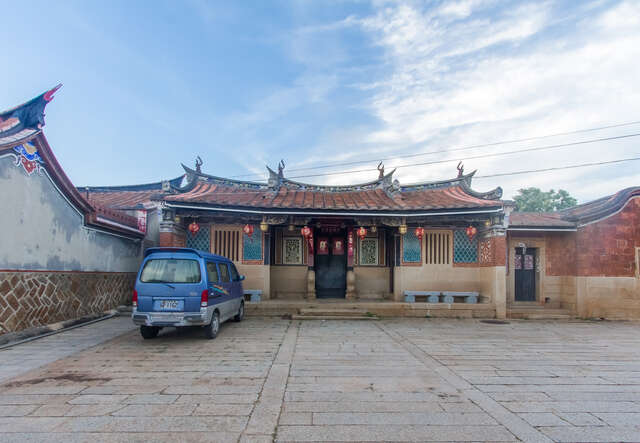
Image source: Taiwan_Opendata; license credits as shown.
Overview
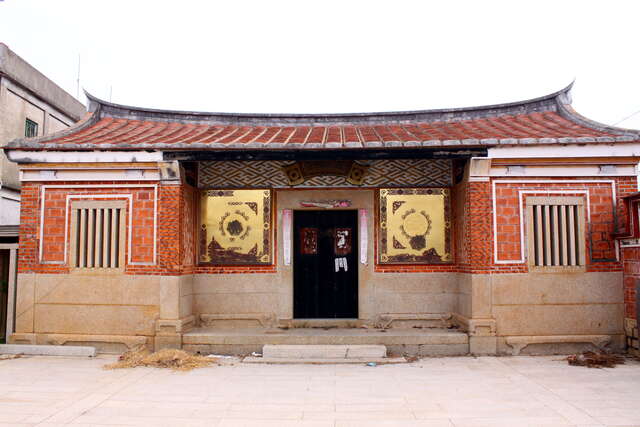
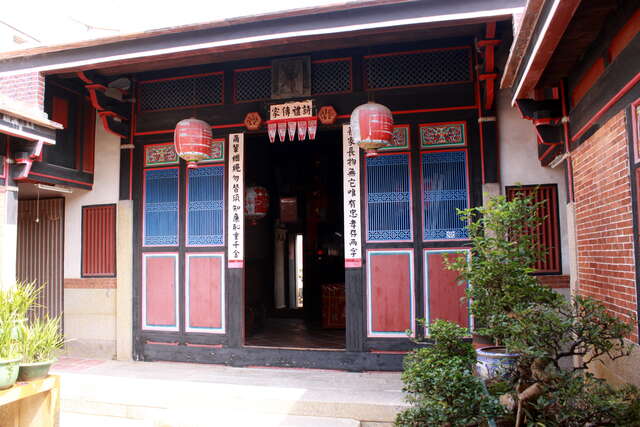
Yang Hua was a distinguished military officer of the Qianlong and Jiaqing eras, who once took part in the campaign against Lin Shuangwen and in anti-piracy operations. His ancestral residence is a traditional Minnan-style building with a three-section courtyard layout and a left-side protected wing. The main hall is decorated with a Sanchuan ridge, while the front and rear halls feature a continuous swallow-tail ridge. The detailed ornamentation is especially refined, with notable wood carvings and brick carvings on the door panels. Although the painted colors on the beams, columns, and bracket sets have faded, the carving remains vigorous and expressive.
Highlights
Yang Hua Former Residence is the ancestral home of the Qing dynasty general Yang Hua and a designated historic site of Kinmen County. It preserves the appearance of a traditional Minnan official residence in remarkably complete form. It is known for its three-section courtyard layout, exquisite wood carvings and brick carvings, especially the Sanchuan ridge on the main hall and the continuous swallow-tail ridge on the front and rear halls, which together showcase the glory and refined taste of a military family in the Qianjia period. Visitors can experience the traditional atmosphere of Huxia settlement in Kinmen while learning about the local figure who helped suppress the Lin Shuangwen rebellion and clear out sea pirates.
What to See
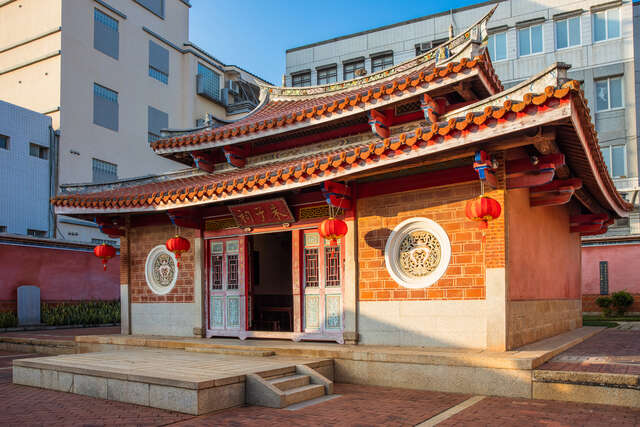
1. Three-section courtyard layout: Yang Hua Former Residence is a traditional Minnan-style building with a three-section courtyard and a left-side protected wing. The front, middle, and rear halls are arranged in sequence, reflecting the living scale and layered ritual space of a Qing-dynasty official household. 2. Main hall Sanchuan ridge: The entrance hall uses a grand Sanchuan ridge roof form. The undulating ridge line and cut-glazed decorations complement each other, making this the most ceremonial first view when entering the old residence. 3. Continuous swallow-tail ridge: Both the front and rear halls feature a continuous swallow-tail ridge. The smooth ridge line, finished with a swallow-tail form, symbolizes prosperity and conveys a sense of continuity across the entire building. 4. Dragon medallion wood carvings and brick carvings on the door panels: The door panels feature round dragon wood carvings and brick carvings. The coiling dragon motifs and full compositions are a visual focal point of the residence’s fine craftsmanship, and they also symbolize the owner’s status, power, and good fortune. 5. Beam, column, and bracket-set woodwork: The wood carvings between the beams, columns, and bracket sets have lost their original colorful painted finish, but the carving remains forceful and sharply defined, revealing both the artisans’ skill and the beauty of the timber framework. 6. Huxia settlement setting: The residence is located in Huxia settlement, backed by a lake and facing the village access route, making it a respected core area of the community. A walk around the area allows visitors to enjoy traditional village streetscapes and other old houses at the same time.
Address
No. 114, Huxia, Hupu Village, Jinning Township, Kinmen County 892 Tel: (08)2318823
Travel Tips
1. Suggested visit time: The residence itself is of moderate size. If combined with a walk through Huxia settlement, allow about 30 to 60 minutes to appreciate the architectural details and take photos. 2. Recommended viewing route: Start with the Sanchuan ridge on the main hall and the door-panel carvings, then move through the front, middle, and rear halls in order, and finally look up at the beam-and-bracket woodwork and roof-ridge decorations to understand the overall layout and craftsmanship. 3. Best time to visit: Kinmen is hot in summer and windy in winter. Spring and autumn are cooler and more comfortable, with softer light that is ideal for leisurely visits and photographing architectural details. 4. Clothing and equipment: Wear comfortable shoes suitable for walking through village lanes. If you enjoy photography, bring a wide-angle lens to capture the three-section courtyard and roof lines in full. 5. Visitor etiquette: This is a historic building and cultural asset, so avoid climbing, carving, or touching fragile wood and brick carvings, and keep noise down to respect local residents’ living space. 6. Nearby attractions: You can combine the visit with other battlefield culture and old-house attractions in Jinning Township to create a half-day historical and cultural route across western Kinmen.
FAQ
Q:What is the main thing to see at Yang Hua Former Residence? A:The main highlights are the three-section courtyard layout and the exquisite wood carvings, brick carvings, and roof decorations. Visitors can closely admire the Sanchuan ridge on the main hall, the continuous swallow-tail ridge on the front and rear halls, the dragon medallion wood carvings and brick carvings on the door panels, and the faded but powerfully carved woodwork between the beams and brackets, fully experiencing the craftsmanship of a traditional Minnan official residence. Q:What is the historical background of Yang Hua Former Residence? A:Yang Hua Former Residence was the ancestral home and former residence of the Qing-dynasty military officer Yang Hua, and it is now a designated historic site in Kinmen County. Yang Hua came from Huxia, took part in the campaign against Lin Shuangwen and in anti-piracy operations during the Qianlong and Jiaqing eras, and rose to the post of Jiangnan Admiral. The elaborate decoration and large-house layout of the residence reflect his military achievements and family status. Q:Do you need a reservation or ticket to visit Yang Hua Former Residence? A:Whether a ticket or reservation is required may change according to county government management regulations, so it is recommended to check official Kinmen tourism or cultural heritage information before departure. Because it is a county-designated historic site, some time periods may offer open access or guided tours, so it is best to confirm when planning your trip. Q:What can be combined with a visit to Yang Hua Former Residence? A:A visit to Yang Hua Former Residence can be combined with other settlement and battlefield-culture attractions in Jinning Township and western Kinmen. It is recommended to use Huxia settlement as the center, and then continue to nearby old houses, village streets, and military relics to create a walking route that combines architecture with historical stories.