Warrior Fort
Taiwan · Kinmen County · Lieyu Township · Historic Sites
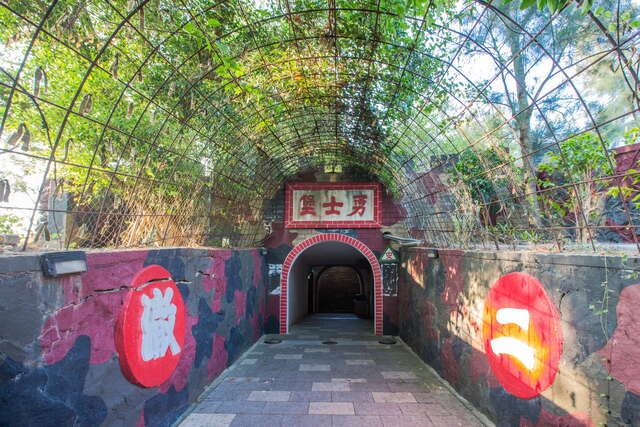
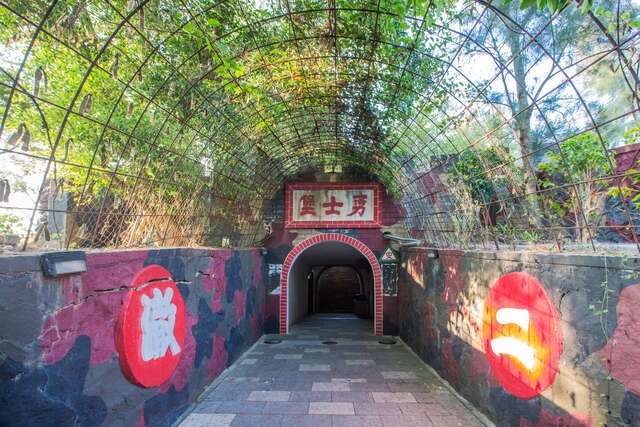
Image source: Taiwan_Opendata; license credits as shown.
Overview
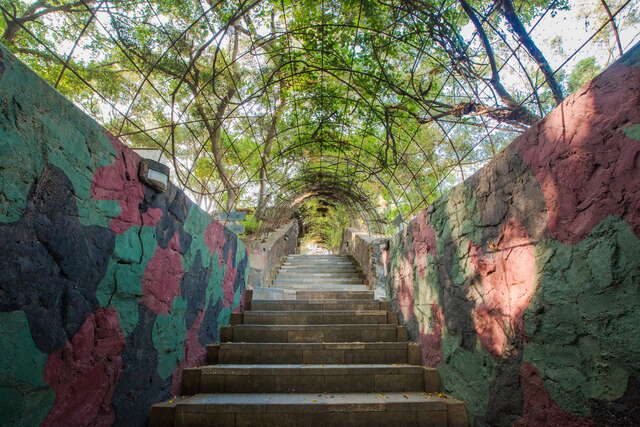
One of the three forts on Lieyu Island, Warrior Fort covers a vast area. To enter the fort, visitors must cross a small bridge, traverse a three-meter deep trench, and ascend a gentle slope. Behind a camouflage net lies a large gate inscribed with the name 'Warrior Fort', with multiple checkpoints highlighting the tense atmosphere of Lieyu being on the front line at that time.
Highlights
Warrior Fort is one of the frontline coastal defense points of the three forts on Lieyu Island, now a historical site with military heritage and battlefield charm. The fort consists of two levels, above and below ground, featuring artillery bunkers, machine gun bunkers, tank bunkers, and trenches, showcasing the defense system and tense atmosphere of Little Kinmen during the Cold War. Visitors pass through a small bridge, a three-meter deep trench, and a camouflage net to enter the gate marked 'Warrior Fort' and the military slogan area, allowing them to closely experience the vigilance of being on the 'front line'.
What to See
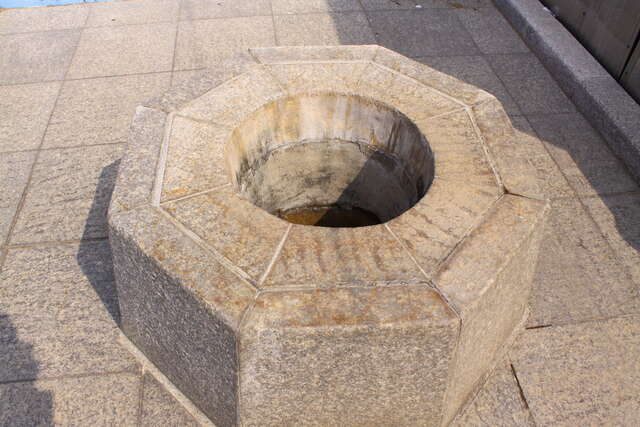
1. Entrance bridge and three-meter deep trench: To enter Warrior Fort, visitors must cross a small bridge spanning the trench and proceed along a gentle slope. The three-meter deep trench was an important facility for tank defense and landing prevention, creating a strong sense of military alertness as soon as one enters the fort. 2. Camouflage net and 'Warrior Fort' gate: At the end of the small bridge, covered with a camouflage net, is the large gate inscribed with 'Warrior Fort'. Visitors can also see military slogans such as 'Eliminate the enemy within two hundred meters', strongly reflecting the spirit of the soldiers who were determined to defend every inch of land. 3. Above-ground artillery bunkers and living quarters: The above-ground level mainly features artillery bunkers, observation and firing positions, as well as living quarters for soldiers. Although the corridors are not spacious, they are interconnected, allowing one to imagine the daily lives and readiness of the soldiers inside the fort. 4. Underground machine gun bunkers and ammunition depots: The underground section is planned with eight machine gun bunkers and four ammunition depots, along with facilities like firewater pools. The tunnels crisscross, connecting various firepower points, forming the core of Warrior Fort's firepower and defense network. 5. Tank bunkers and defense facilities: One of the most distinctive features of Warrior Fort is the dedicated tank bunker underground, paired with trenches and anti-tank defenses, allowing military enthusiasts to see the less common structure of a 'tank fortress' and feel the design philosophy of being 'small yet strong, capable of independent defense'. 6. Underground tunnel connecting to Iron Man Fort: Warrior Fort is connected to the nearby Iron Man Fort through a long underground tunnel, forming a complete coastal defense system. Visitors can walk from one fort to another within the guided area, experiencing the operational routes of soldiers moving underground to various coastal defense points. 7. Battlefield-themed exhibits and mine-related information: Warrior Fort and Iron Man Fort have jointly transformed into one of the mine-themed exhibition areas. The tunnels feature mine displays and battlefield education content, introducing different types of mines and mine clearance knowledge, allowing visitors to understand the historical significance of warfare and peace while exploring military facilities.
Travel Tips
1. Recommended visiting seasons and times: The autumn-winter and spring seasons have cooler and drier weather, suitable for walking or cycling to other military sites in Lieyu Township; summer has strong sunlight and noticeable humidity, so it is advisable to visit the fort and tunnels in the cooler morning or afternoon hours. 2. Clothing and equipment suggestions: The fort and tunnels have stairs, slopes, and some narrow passages, so it is recommended to wear non-slip shoes or sneakers along with light clothing. In summer, prepare hats, sun protection items, and drinking water; in winter, be mindful of the strong sea breeze and add warm clothing as needed. 3. Transportation and route planning: Warrior Fort is located in the Huangcuo area of Lieyu Township. Most travelers rent scooters or bicycles from Jiugong Pier or take a bus to reach the coastal area on the west side of Lieyu. It can be arranged to visit Iron Man Fort and other sites along the same route, enjoying the coastal defense points and beach scenery. 4. Visiting time and physical stamina allocation: The fort area is quite large, with facilities and tunnels both above and below ground. It is advisable to allocate ample time for the visit and consider one's physical stamina when deciding whether to complete the entire underground passage. Elderly visitors or those with mobility issues may primarily stay in the above-ground spaces. 5. Safety and etiquette considerations: Some passages and stairs have dim lighting and damp floors, so be cautious while walking and hold onto handrails. If there are children in the group, they should be closely supervised. As this is a historically significant military structure, please do not climb on artillery positions or damage walls, slogans, or facilities. 6. Combining with other attractions: Warrior Fort can be included in a one-day or half-day military culture route in Lieyu, along with Iron Man Fort, Shaxi Fort, and coastal defense points, providing a more comprehensive understanding of Kinmen's wartime history.
FAQ
Q: Where is Warrior Fort located, and which area of Kinmen does it belong to? A: Warrior Fort is located in the Huangcuo coastal area of Lieyu Township, Kinmen County, and is one of the important coastal defense points and military sites of Little Kinmen (Lieyu). Most visitors travel from Kinmen Island by boat to Jiugong Pier and then transfer to a bus, scooter, or bicycle to reach the coastal area on the west side of Lieyu. Q: What facilities can be mainly seen inside Warrior Fort? A: Warrior Fort consists of two levels, where visitors can see artillery bunkers, living quarters, machine gun bunkers, ammunition depots, firewater pools, and the relatively rare tank bunkers. The above-ground level focuses on artillery bunkers and living spaces, while the underground level serves as the firepower core with machine gun bunkers and ammunition depots, connected through tunnels to Iron Man Fort and other points, showcasing a complete coastal defense fortress system. Q: What is the relationship between Warrior Fort and Iron Man Fort, and how should the itinerary be arranged? A: Warrior Fort and Iron Man Fort are two adjacent coastal defense fortresses connected by underground tunnels, now jointly serving as exhibition spaces for battlefield and mine themes for visitors. It is recommended to arrange a walking route that includes both forts, entering from one and following the guided path through the tunnels to reach the other, allowing for an experience of above-ground artillery bunkers, underground tunnels, and mine-themed exhibits. Q: What should be noted when visiting Warrior Fort? A: When visiting Warrior Fort, wear comfortable shoes, be mindful of the narrow and damp passages and stairs, and maintain distance between group members to avoid pushing and ensure the safety of elderly and children in the group. As Warrior Fort is a historical military building and cultural asset, please do not climb on artillery positions, graffiti, or damage any facilities or slogans, and follow the directions of on-site personnel or guided signs to walk the designated routes.