Xiaoximen Model Latrine
Taiwan · Kinmen County · 金城鎮 · Historic Sites
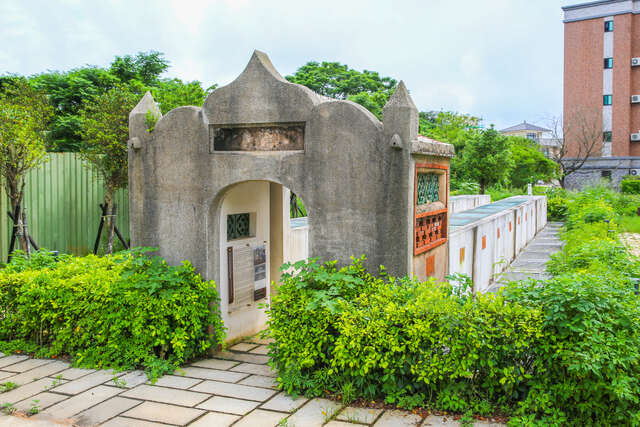
Image source: Taiwan_Opendata; license credits as shown.
Overview
Xiaoximen Model Latrine was built in 1917 with funds provided by Wu Chao-ping after he returned home from overseas business.
Highlights
Xiaoximen Model Latrine is an open-air public latrine built in 1917 and a designated county-level historic site in Kinmen, making it a rare cultural asset in Taiwan centered on a public toilet. Funded by overseas Chinese Wu Chao-ping, this model latrine symbolizes the community’s emphasis on public health and environmental cleanliness at the time, and it also bears witness to the history of overseas Chinese who prospered abroad and returned to support their hometown. A walk to the site reveals a long, narrow layout that resembles a small traditional building, offering travelers an engaging way to learn about the practical wisdom of village life and traditional waste-reuse methods.
What to See
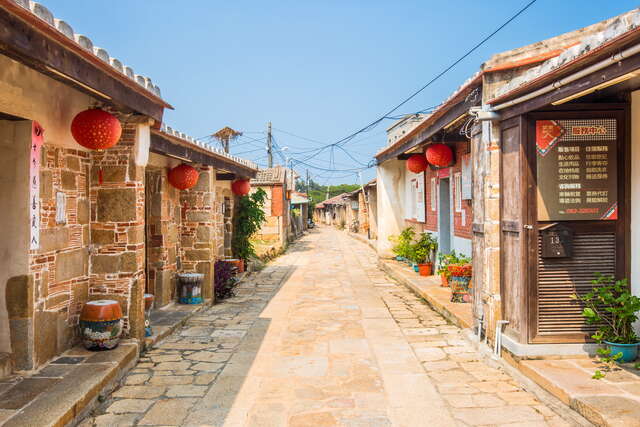
Xiaoximen Model Latrine itself: An open-air latrine building with a long, narrow layout extending from northeast to southwest, with a central passageway and symmetrically arranged latrine pits and waste-collection pits on both sides. It demonstrates the design thinking behind early public sanitation planning and resource recycling. Traditional latrine pits and waste-collection pits: Each latrine pit is paired with a corresponding waste pit below, reflecting the former system in which villagers managed the cleanliness of their own latrines and collected human waste. It offers a glimpse into how agricultural communities once turned waste into fertilizer for the fields. Exterior and structural details: From a distance it looks like a low ancient building or a small cemetery, but up close visitors can see details such as the red bricks, walls, and entrance design, which echo the surrounding old village houses and create a distinctive visual impression. Atmosphere of the surrounding Xiaoximen settlement: The model latrine stands on the edge of the Xiaoximen settlement in Jincheng Township, where traditional Minnan-style lanes and old houses are still preserved. A short walk nearby lets visitors experience the humanistic atmosphere and historical context of Kinmen’s old villages.
Address
No. 893, Xiaoximen Model Latrine, Jincheng Township, Kinmen County Phone: (08)2318823
Travel Tips
A visit to Xiaoximen Model Latrine is best combined with other sights in Jincheng Township as a half-day or full-day walking route, allowing you to explore the old streets and settlements while also stopping by this unusual historic latrine. Comfortable walking shoes are recommended for strolling and taking photos through the village lanes, and you should allow extra time to examine the architectural details and interpretive information. As this is an outdoor open-air space, summer sun can be strong and the northeastern monsoon can be brisk in winter, so it is wise to bring a hat, a light jacket, or rain gear depending on the season to cope with Kinmen’s changeable island weather. Although it is a cultural heritage site centered on a public toilet, its actual use and maintenance may differ from a modern public restroom, so visitors should regard it as a historic building and follow on-site instructions and guided explanations. Because the model latrine is located within a residential settlement, please keep your voice down and behave respectfully, and consider interacting politely with local residents to learn more local stories.
FAQ
Q:What is special about Xiaoximen Model Latrine? A:Xiaoximen Model Latrine is special because it was an open-air public latrine funded and built in 1917 by overseas Chinese Wu Chao-ping, and it was later designated a county-level historic site. This rare “model” latrine replaced the settlement’s scattered, unsanitary old pit toilets with a unified layout and waste-collection system, reflecting advanced ideas about public health and resource reuse at the time, and it has become a unique window into the daily life history of Kinmen’s settlements. Q:How long does it take to visit Xiaoximen Model Latrine? A:A visit to Xiaoximen Model Latrine itself takes about 10 to 20 minutes for walking around and taking photos. If you also explore the surrounding Xiaoximen settlement, allow about 30 minutes to 1 hour. Visitors can look closely at the structure from the central passageway and the latrine pits on both sides, read the interpretive signs, and then continue walking through nearby old houses and lanes to include this small heritage site in a Jincheng Township walking itinerary. Q:Can Xiaoximen Model Latrine still be used as an ordinary public restroom? A:Xiaoximen Model Latrine is now mainly presented as a cultural heritage and historical attraction, and its actual use differs from that of a modern public restroom. It is best visited as a place to learn about an old building and the evolution of public sanitation. If you need a restroom during your trip, check for nearby modern public toilets or visitor facilities, and regard the model latrine as a “demonstration space” that bears witness to early sanitation and agricultural life rather than as a purely functional restroom. Q:Is Xiaoximen Model Latrine suitable for children to visit? A:Xiaoximen Model Latrine is suitable for visiting with children as an easy way to learn about past public toilets and waste reuse, but parents should pay attention to safety and hygiene nearby. Parents can explain in simple terms why people once shared public toilets and how waste helped crops grow, allowing children to understand the difference between early rural life and modern hygiene concepts while observing the latrine’s structure.