Mingyi Old Street
Taiwan · Kinmen County · 金城鎮 · Historic Sites
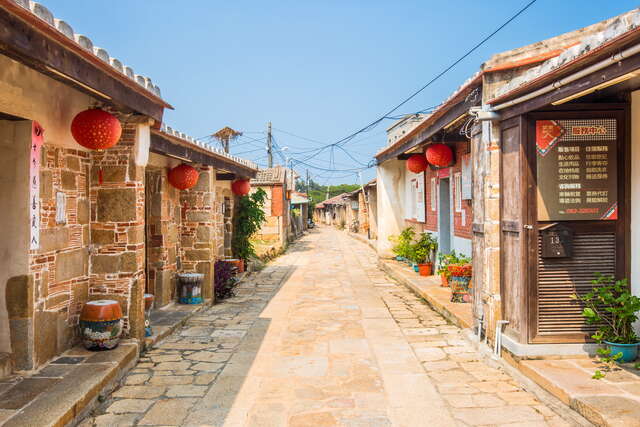
Image source: Taiwan_Opendata; license credits as shown.
Overview
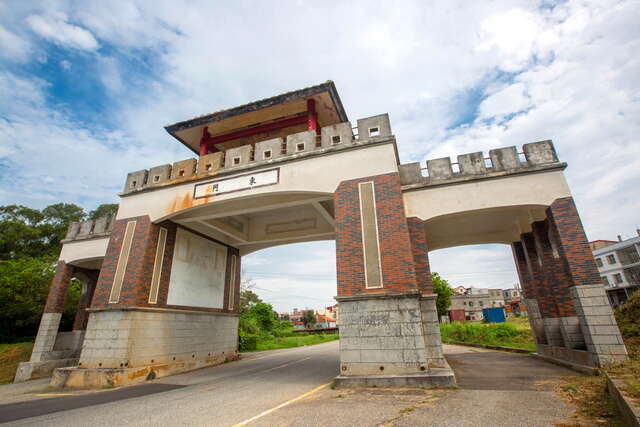
Mingyi Old Street is located outside the North Gate of Kinmen City. With more than 400 years of history, it is known as Kinmen’s oldest street. Small shop houses line both sides, and the street originally had barricaded gate openings at its east, west, south, and north exits.
Highlights
Mingyi Old Street is a historic lane of about 100-plus meters outside the North Gate of Kinmen City. It is praised as Kinmen’s oldest street and the first street of Taiwan, Penghu, Kinmen, and Matsu. Visitors can stroll along the stone-paved lane and admire the low, attached Minnan-style shop houses and a few Western-style mansions that have preserved the historical atmosphere from the Ming and Qing dynasties through the wartime era. Once the busiest trading hub in Kinmen City, the street’s four original gate openings have mostly been converted into exhibition spaces, homestays, and private residences, creating a quiet setting ideal for slow walks, photography, and understanding Kinmen City as a historic coastal defense stronghold.
What to See
1. Stone-paved street and original street layout: Mingyi Old Street is about 100-plus meters long and paved with stone slabs in a width suited for the hand-pushed carts used in the past. It retains the scale and atmosphere of an early commercial street. A walk here clearly conveys the sense of an ancient urban space extending from Kinmen City since the mid-Ming period. 2. Low, attached Minnan-style shop houses: The buildings on both sides are traditional attached Minnan structures, mostly with a two-courtyard layout and a central courtyard, fully reflecting the classic form of early Kinmen residences and shop houses. Many of these buildings do not feature Southern Seas decorative elements and are regarded as important examples for studying early Minnan architecture. 3. Ming- and Qing-era architecture and wartime remnants: This short stretch of old street contains concentrated examples of grand residences from the Ming and Qing dynasties, as well as air-raid shelters left from the period of confrontation between the Communist and Nationalist forces. Together they reveal layered historical traces, from a coastal defense stronghold in antiquity to a modern battlefield, making the area a vivid setting for understanding Kinmen’s development. 4. Palladian-style Western mansion: The street preserves a Western-style mansion with Palladian features, a rare architectural type in the area and especially striking among the Minnan shop houses. Combining Western classical proportions with local materials, it stands as evidence of cultural exchange between Kinmen’s overseas Chinese community and foreign styles. 5. North Gate ruins and the historical background of the city wall: The old street stands beside the ruins of Kinmen City’s North Gate. According to tradition, it was opened when the city was first built during the Hongwu reign of the Ming dynasty, closely linked to the military function of Kinmen Thousand-Household City. Looking back from the old street toward the city wall and gate location, one can imagine the layout of a commercial district outside a military fortress. 6. Former market memory known as the “Vegetable Selling Street” / “Vegetable Buying Street”: Mingyi Old Street once served as the main market of Kinmen City, and locals called it the “Vegetable Selling Street” or “Vegetable Buying Street.” The street once hosted businesses such as blacksmith shops, sedan-chair shops, dye houses, eateries, and general stores. A stroll here invites visitors to imagine the bustling trade of the past by comparing it with memories of old local industries.
Address
No. 100, Dagugang, Gucheng Village, Jincheng Township, Kinmen County 893, Taiwan (near Gucheng Elementary School) Phone: (08)2328638
Travel Tips
Mingyi Old Street is best included as part of a walking itinerary around Jincheng Old Street and the Kinmen City area. Allow about 30 minutes to 1 hour for a relaxed visit and photos. Daytime visits are recommended so you can appreciate the architectural details and facades, and also stop by nearby Kinmen City ruins and other historical sites. In autumn and winter, Kinmen can be windy; spring tends to be damp and cool; and summer sun can be intense. It is best to avoid the hottest midday hours, and early morning or late afternoon is more comfortable. As the old street is mostly an open-air walking area, bring sun protection, a hat, and water in summer, and wear warm, wind-resistant clothing in winter. The street is paved with stone slabs, and some parts may be uneven, so comfortable walking shoes or sneakers are recommended. Please walk carefully when taking photos. Because this is a historic district, visitors should keep their voices low out of respect for local residents and old buildings, and avoid climbing on or touching fragile architectural elements. If you plan to enter a homestay or exhibition space, check in advance whether it is open. Mingyi Old Street is located outside the North Gate of Kinmen City in Jincheng Township. It is best reached by public transport, bus routes, taxi, private car, or scooter, followed by a walking tour of the old street and surrounding historic area. The street itself is small but the alleys are narrow, so if you drive, park in a suitable nearby area and continue on foot.
Nearby Dining
Mingyi Old Street today is mainly residential and historic, so commercial dining options are limited. It is better to arrange meals in Jincheng Township center or around Kinmen City, where you can find traditional Kinmen snacks, noodle dishes, and local specialties before walking or taking a short ride to Mingyi Old Street. If a small shop or drink stall happens to be open on the day of your visit, you can stop for a quick break, but dining on the main streets of Jincheng is generally more convenient.
FAQ
Q: What makes Mingyi Old Street worth a special visit? A: Mingyi Old Street is a centuries-old street outside the North Gate of Kinmen City, known as Kinmen’s oldest street and one of the oldest surviving urban streets in Taiwan, Penghu, Kinmen, and Matsu. In just about 100-plus meters, it preserves traditional Minnan shop houses from the Ming and Qing periods, wartime air-raid shelters, and rare Western-style mansions, making it a compact reflection of Kinmen’s historical development and an excellent place for travelers interested in history, architecture, and old-street atmosphere. Q: How much time should I set aside for visiting Mingyi Old Street? A: The street is not large, and most visitors can comfortably walk through it and take photos in about 30 minutes to 1 hour. If you also plan to visit the nearby Kinmen City ruins, gate ruins, and other historical sites, the visit can be extended to 1 to 2 hours so you can look closely at the different buildings and details and read the related history. Q: Is Mingyi Old Street suitable for children or older visitors? A: Mingyi Old Street is mainly a gentle stone-paved walking street with little slope, so it is suitable for families and older visitors, but you should be aware that the stone paving has some uneven sections and height differences. Comfortable shoes and a slower pace are recommended, and children should be reminded to respect residents and old houses and not run or climb on historic buildings. Q: Can I drive or ride a scooter directly into Mingyi Old Street? A: Mingyi Old Street is mainly for walking. The street is narrow and lined with attached old houses, so it is not recommended for vehicles to enter directly. The better option is to park your car or scooter in a suitable nearby parking area in Kinmen City or Jincheng Township and walk in, which is safer and lets you better enjoy the texture and atmosphere of the street.