Fenglianshan Muma Hou Shrine
Taiwan · Kinmen County · 金城鎮 · Historic Sites
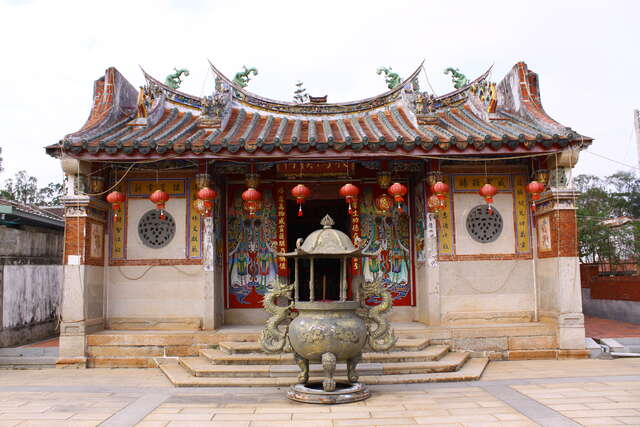
Image source: Taiwan_Opendata; license credits as shown.
Overview
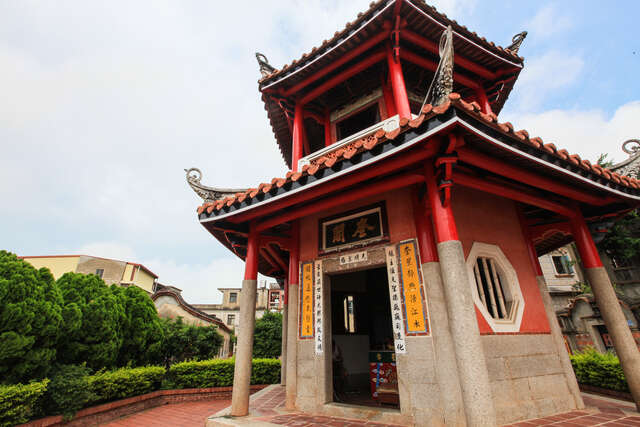
A traditional three-section temple dedicated to Chen Yuan, the revered "Lord Who Opened Kinmen," this site was rebuilt during the Daoguang reign of the Qing dynasty and is now listed as a county-designated historic monument. According to legend, Chen Yuan often manifested to drive off Japanese raiders and protect the local people. The court therefore ordered the construction of a large seven-section temple, bestowed the plaque name "Fuji," and posthumously honored him as the "Sacred Marquis of Blessing and Protection"—the origin of Muma Hou Shrine. The temple still preserves the ancient "Fuji" plaque and Qing-era stele, while the dragon-and-tiger walls and the ridgeline decorations of figurines, ceramic work, and clay sculpture are also worth close attention.
Highlights
Fenglianshan Muma Hou Shrine is a traditional three-section temple dedicated to Chen Yuan, the revered "Lord Who Opened Kinmen." It was rebuilt during the Daoguang reign of the Qing dynasty and has been designated a county-level historic monument. Its religious significance is closely tied to legends of Kinmen's early development, and the temple name, along with Chen Yuan's title of "Muma Hou" (Horse Herding Marquis), reflects the story of his defeat of Japanese raiders and the imperial honors he received.
What to See
- **Main hall and traditional three-section layout**: Observe the temple's overall three-section traditional architectural form and appreciate its Qing-dynasty rebuilt appearance. - **Ancient "Fuji" plaque**: The preserved historic plaque inside the temple is an important highlight for understanding the temple's history and imperial bestowal. - **Qing-era stele**: The temple's preserved stone tablet from the Qing dynasty is worth examining for its age and inscription. - **Dragon and tiger walls**: The dragon and tiger walls on both sides of the temple are important decorative features with the visual character of a traditional temple. - **Roof ridgeline ceramic and clay sculptures**: The finely crafted ceramic and clay ornamentation on the roof ridges is a key feature for appreciating traditional craftsmanship.
Address
Near No. 40-8, Anqian, Xian'an Village, Jincheng Township, Kinmen County 893 Phone: (08) 2318823
Travel Tips
- **Ideal to pair with a heritage tour**: As a county-designated historic monument, this site is well suited to be combined with other cultural and historical attractions in Kinmen. - **Take time to notice the details**: The temple preserves ancient plaques, steles, and roof decorations, making it ideal for close viewing of patterns and craftsmanship. - **Respect the worship space**: When praying or taking photos, be mindful of incense activity and the movement of worshippers, and keep the area quiet and clean. - **Visit in clear weather or good light**: The temple facade, dragon and tiger walls, and roof details are easier to observe under natural light.
FAQ
Q: Who is worshipped at Fenglianshan Muma Hou Shrine? A: Fenglianshan Muma Hou Shrine mainly worships Chen Yuan, the revered "Lord Who Opened Kinmen." Q: What are the main highlights of Fenglianshan Muma Hou Shrine? A: The main highlights include the traditional three-section temple layout, the ancient "Fuji" plaque, the Qing-era stele, and the dragon and tiger walls plus the ceramic and clay work on the roof ridges. Q: What is the historical status of Fenglianshan Muma Hou Shrine? A: The current structure was rebuilt during the Daoguang reign of the Qing dynasty and is listed as a county-designated historic monument. Q: Where does the name Muma Hou Shrine come from? A: The name is connected to the historical legend that Chen Yuan was posthumously honored as the "Sacred Marquis of Blessing and Protection" and to the temple plaque name "Fuji."