Amuse Museum
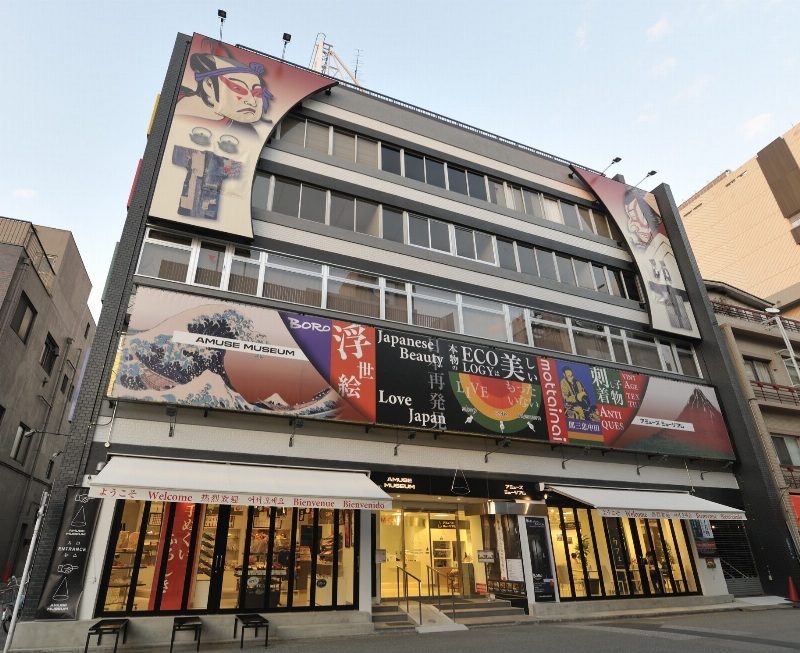
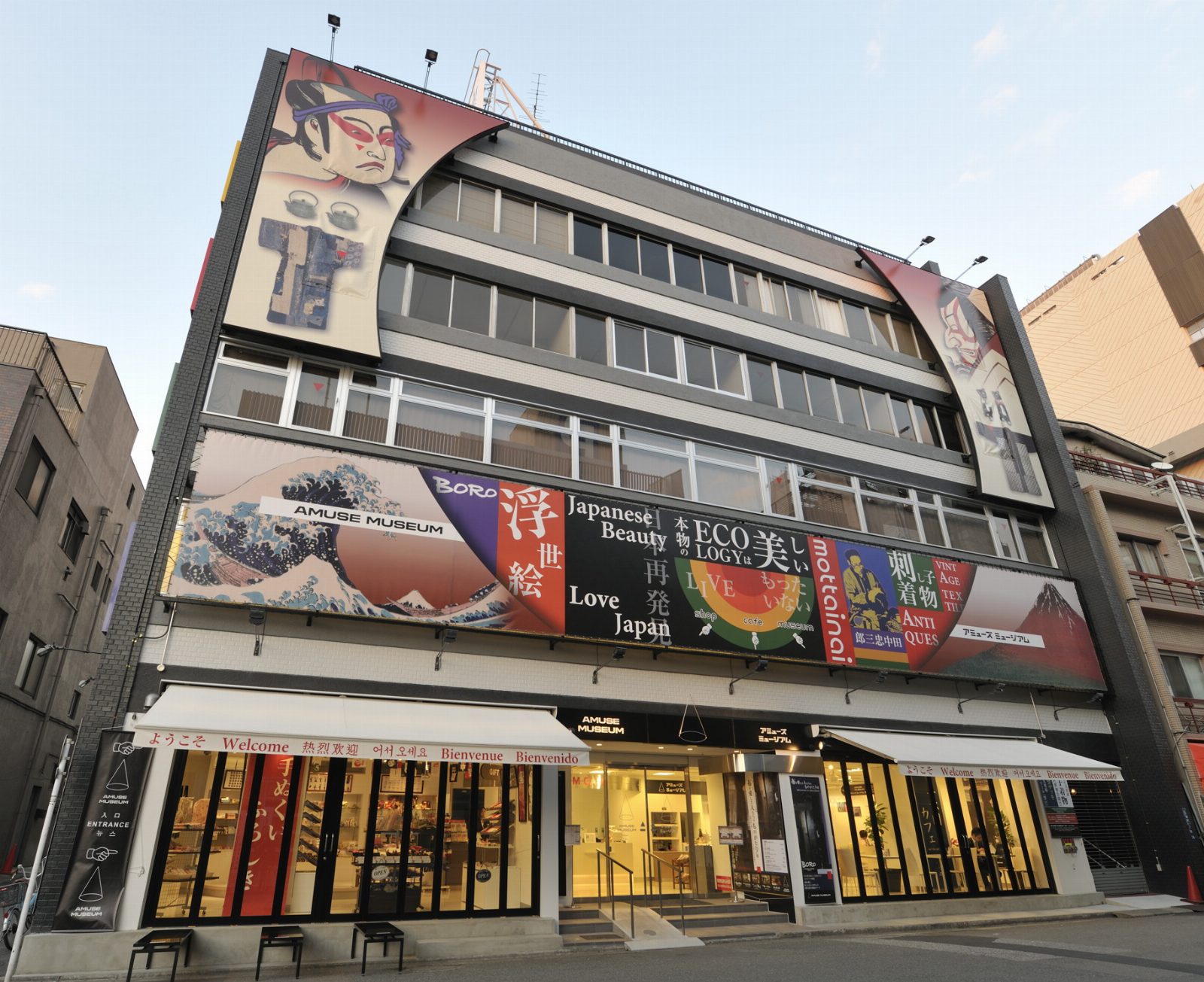
Image source: Wikimedia Commons; license credits as shown.
Overview
The Amuse Museum, dedicated to the culture of fabric and ukiyo-e art, was a private museum located in Asakusa, Tokyo. It opened in 2009 and showcased a precious collection ranging from everyday textiles to the miraculous fabric art known as 'BORO', and featured a rooftop bar with views of Senso-ji Temple and Tokyo Skytree at night. The museum permanently closed on March 31, 2019, and the original site is no longer open to the public.
Getting There
The museum was located at 2-34-3 Asakusa, Taito, Tokyo, adjacent to the second gate of Senso-ji Temple. It was accessible by a 5-minute walk from Asakusa Station on the Tokyo Metro Ginza Line and an 8-minute walk from Asakusa Station on the Tsukuba Express. As the museum is now closed, travelers are advised to consider this location only as historical reference material and not for actual visit planning.
Highlights
The Amuse Museum once focused on the themes of Japanese 'fabric culture' and 'ukiyo-e', presenting a complete narrative from everyday life to artistic masterpieces. The most representative collection in the museum was the 'miraculous fabric art' known as BORO, which consists of patched and repaired rags, showcasing the wisdom and aesthetics of Japanese life in harsh climates. In addition to permanent exhibitions, the museum also held limited-time projects and exhibitions related to crafts and design, combining a Japanese-style selection shop and performance space to create a multifaceted art venue. Notably, the museum previously allowed visitors to touch some fabric works and take photos freely, enhancing the audience's experience and connection with the artworks.
What to See
Since the museum completely closed in 2019, the following are past highlights for historical reference: 1. BORO Fabric Collection: Key displays of work clothes, bedding, and daily necessities passed down through generations of farming families in Aomori, praised as 'miraculous fabric art', showcasing a unique aesthetic born from a harsh natural environment. 2. Permanent Exhibition on Fabric Culture: Through old clothes, textiles, dyed fabrics, and everyday items, it explained how the general public utilized clothing and fabrics from the Edo to the Showa periods, highlighting the cultural values of 'frugality and regeneration'. 3. Ukiyo-e and Print Displays: Some exhibition areas introduced ukiyo-e works related to fabrics and patterns, as well as their influence on design, fashion, and visual culture. 4. Rooftop Views and Bar Space: The top floor originally featured a bar and terrace, offering views of the five-story pagoda of Senso-ji Temple and Tokyo Skytree, making it a hidden spot for many travelers to enjoy the night view and relax with a drink. 5. Japanese-style Selection Shop and Crafts: The lower floors were planned as shops for Japanese-style design products and crafts, selling original and selected items related to fabric art and Japanese lifestyle, combining the experience of 'exhibiting and shopping'.
Hours & Admission
The Amuse Museum permanently closed on March 31, 2019, and there is currently no information on opening hours or ticket prices. Before closing, the museum's operating hours were daily from 10:00 AM to 6:00 PM (last admission at 5:30 PM), with Mondays closed, while the bar on the 6th floor operated until 2:00 AM and was also closed on Mondays. Since the site is no longer operational, travelers cannot purchase tickets for entry and are advised to visit other museums, art galleries, or cultural facilities in the vicinity that are still open.
Address
〒111-0032 2-34-3 Asakusa, Taito, Tokyo, Japan (original site, now closed)
Travel Tips
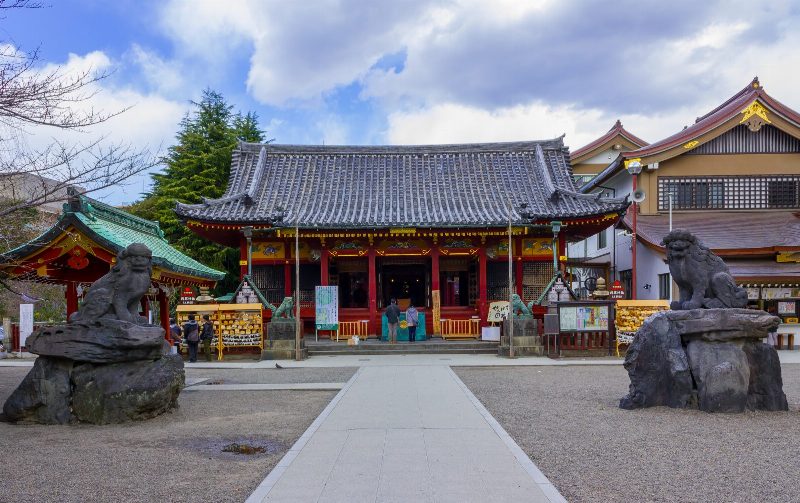
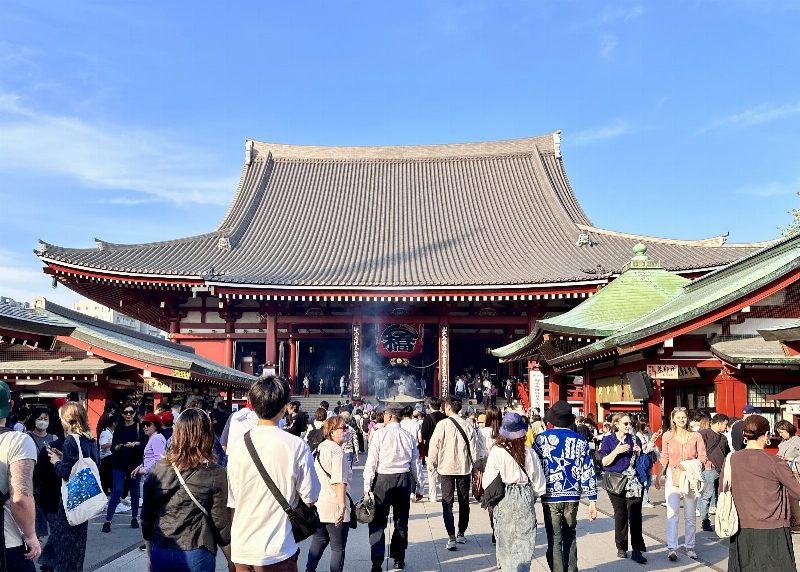
The Amuse Museum is currently completely closed, making it unsuitable as a visit point in actual itineraries, and it should only be understood as one of the unique museums that once existed in the Asakusa area. If you are interested in BORO fabric art, Japanese fabric culture, or the history of common people's clothing, it is recommended to look for related traveling exhibitions and special exhibitions currently being held in other cities or museums, as some collections may occasionally be exhibited domestically and internationally. When traveling to Asakusa, you can use the vicinity of the original site as a walking route reference, visiting Senso-ji Temple, the main hall, and the five-story pagoda, as well as the surrounding Nakamise shopping street and traditional wagashi and tempura shops. Spring and autumn are comfortable seasons for strolling in Asakusa, suitable for cultural exploration during the day, while at night, you can find a restaurant or bar nearby with views of the Skytree to continue the romantic atmosphere of enjoying the night view that was originally experienced at the rooftop bar.
Nearby Dining
As the museum has closed, the original bar and dining spaces are no longer in operation, but there are still plenty of dining options in the surrounding area to complement your Asakusa itinerary. Within a few minutes' walk, you can reach Nakamise Street and surrounding shopping areas near Senso-ji Temple, where you can find traditional tempura shops, sushi restaurants, izakayas, and cafes, making it a great area to experience Edo flavors and local cuisine. It is recommended that travelers choose a restaurant with views of the temple or Skytree for dining after exploring Senso-ji and the surrounding area, to continue the romantic atmosphere of enjoying the night view that was originally experienced at the rooftop bar.
FAQ
Q: Is the Amuse Museum still open for visits? A: The Amuse Museum permanently closed on March 31, 2019, and is currently not open for public visits. Travelers can no longer purchase tickets for entry and can only look back at this unique museum focused on fabric culture and ukiyo-e through materials and photos. Q: What were the operating hours and closed days of the Amuse Museum before it closed? A: Before closing, the Amuse Museum's operating hours were daily from 10:00 AM to 6:00 PM, with the last admission at 5:30 PM, and it was regularly closed on Mondays. The bar on the 6th floor operated until 2:00 AM and was also closed on Mondays, but this information is now only for historical reference and cannot be used practically. Q: If I go to Asakusa now, can I still see the original exhibitions or buildings? A: Currently, there are no exhibitions from the Amuse Museum to see in Asakusa, and the building is no longer operating as a museum. Even if the original building's exterior remains, the interior is not open to the general public, and it is recommended to visit Senso-ji Temple and other cultural facilities in the vicinity instead. Q: Are there still places to see the collections of the Amuse Museum, such as BORO fabric art? A: After the closure of the Amuse Museum, the museum indicated that they would seek a new location in Japan to reopen and consider holding traveling exhibitions, but actual information about a new venue and long-term displays is limited. If you want to see BORO or similar fabric artworks, it is recommended to keep an eye on special exhibition announcements from museums, galleries, or craft exhibitions across Japan, as some collections may be publicly displayed in traveling or collaborative exhibitions. Q: How should I arrange transportation to the vicinity of the original site of the Amuse Museum? A: Travelers who want to understand the location of the original site can set their destination to '2-34-3 Asakusa, Taito, Tokyo', which is about a 5-minute walk from Asakusa Station on the Tokyo Metro Ginza Line or an 8-minute walk from Asakusa Station on the Tsukuba Express. However, since the museum is no longer open to the public, it is recommended to consider this only as a reference point for understanding Asakusa's geography and walking routes, focusing on the visiting experience of Senso-ji Temple and the surrounding shopping streets.