Asakusa Shrine
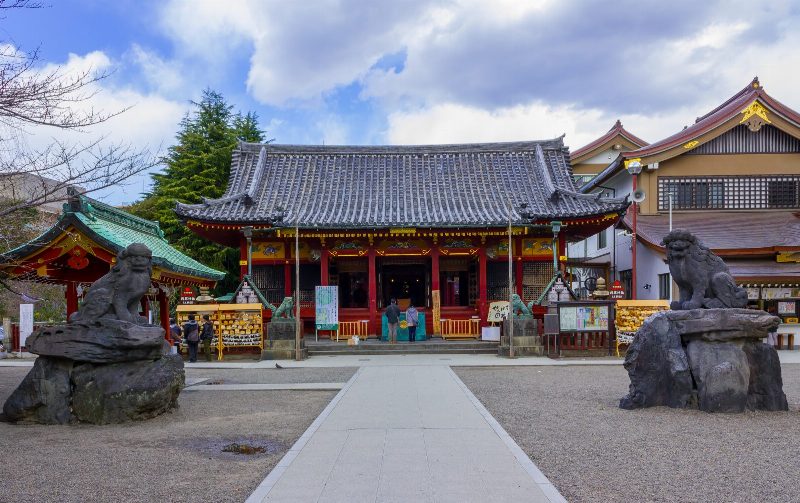
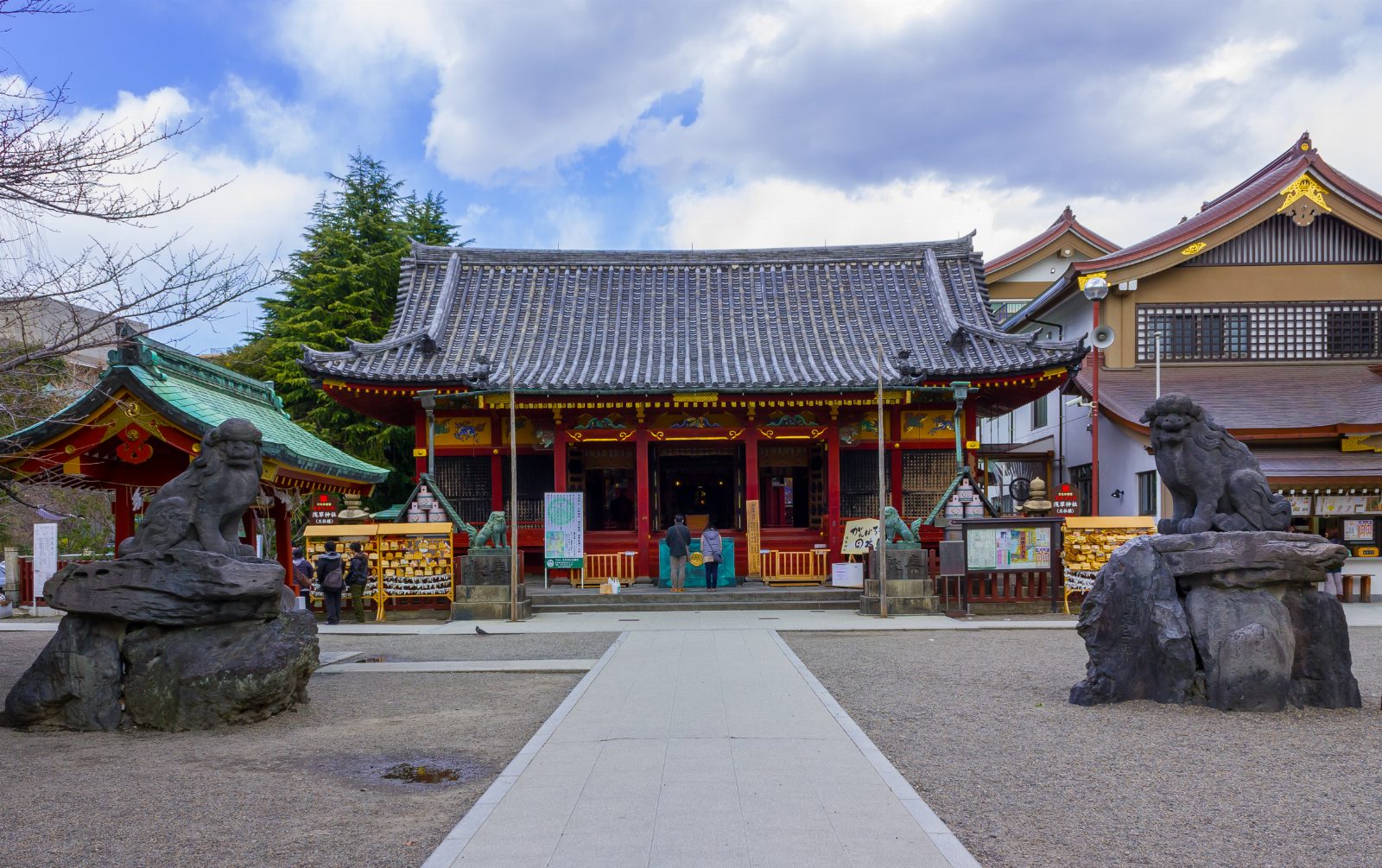
Image source: Wikimedia Commons; license credits as shown.
Overview
Asakusa Shrine is a historic shrine located in Asakusa, Tokyo, adjacent to Senso-ji Temple. It is famous for enshrining the three deities who founded Senso-ji and for hosting the magnificent Sanja Matsuri festival. The atmosphere here is quieter than that of Senso-ji Temple, making it a place of energy, particularly suitable for travelers who want to deeply experience the charm of downtown and Japanese Shinto culture. The shrine is open all day for free worship, and the office offers goshuin (temple stamps) and various amulets, making it an important site that combines faith, history, and festival culture.
Getting There
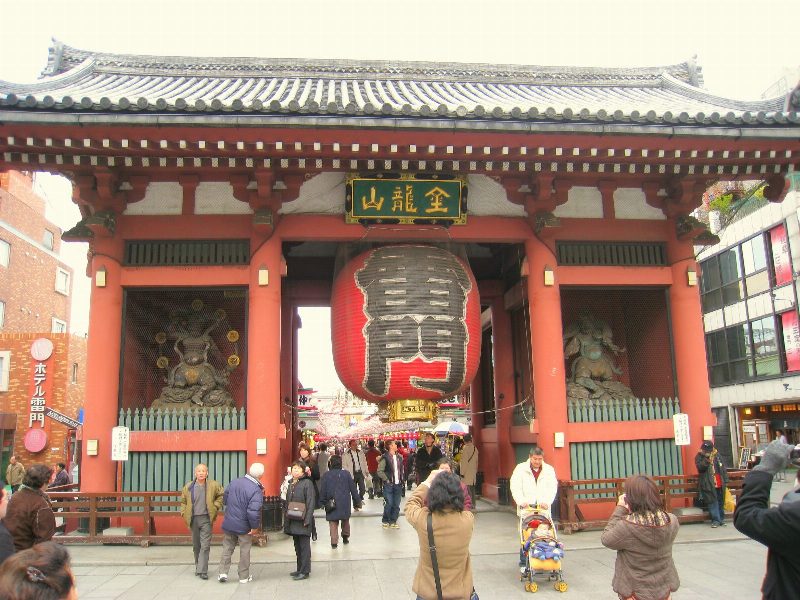
The most convenient way to reach Asakusa Shrine is to take the Tokyo Metro Ginza Line, Toei Asakusa Line, or Tobu Line to 'Asakusa Station,' then walk about 7 minutes to arrive. After passing through Kaminarimon and Nakamise Shopping Street to the main hall of Senso-ji Temple, follow the signs to the right and walk a few minutes to reach the shrine grounds.
Highlights
Asakusa Shrine is a shrine dedicated to the three contributors who founded Senso-ji Temple, known as 'Sanja Daijin,' and is the main venue and origin of the famous Sanja Matsuri festival. The shrine stands next to the Buddhist temple, showcasing Japan's unique history of coexistence between Shinto and Buddhism. The atmosphere is tranquil, and many travelers regard it as an energy spot behind Senso-ji Temple. The shrine's famous 'Couple Komainu' statues are unique and symbolize good relationships, love luck, and harmony between couples, making them popular among visitors. Additionally, the shrine offers various amulets and goshuin, which are quite appealing to travelers who collect temple stamps and love traditional Japanese culture.
What to See
1. Worship Hall and Main Hall: The current buildings of Asakusa Shrine were mostly rebuilt after the time of Tokugawa Ieyasu. The worship hall is dignified and primarily enshrines the three deities related to the founding of Senso-ji, allowing visitors to feel the strong atmosphere of downtown faith during worship. 2. Couple Komainu: The shrine features the rare 'Couple Komainu,' two stone lions cuddling each other, unlike the usual pair standing apart. They are popular spots for photos and prayers for good relationships, love, and marital harmony. 3. Small Shrines and Beikokan Inari Shrine: Within the shrine grounds, there are several small shrines, among which Beikokan Inari Shrine is particularly valued for its blessings on careers, financial luck, and various wishes. Visitors can follow the signs to worship there as well. 4. Facilities Related to Sanja Matsuri: As the main shrine for the Sanja Matsuri, the grounds display the portable shrines and related exhibits used during the festival. If you visit during the festival period, you can witness the lively scene of the portable shrines being carried around the area.
Hours & Admission
Asakusa Shrine is open for free access all day, allowing visitors to worship at any time without an admission fee. The office and service area (for amulets, goshuin, etc.) generally open from 9:00 AM to 4:30 PM, so it is recommended for travelers wishing to receive goshuin or purchase amulets to visit during the daytime. The Sanja Matsuri is usually held on the third Friday, Saturday, and Sunday of May each year, and during the festival period, traffic and crowd control will be implemented in the area, so it is advisable to check the annual announcements in advance.
Address
2-3-1 Asakusa, Taito City, Tokyo 111-0032, Japan
Travel Tips
The most comfortable seasons to visit Asakusa Shrine are spring and autumn when the weather is pleasant. Especially during the Sanja Matsuri in May, you can experience a highly representative traditional festival, but it can be crowded, so be sure to allow extra time and keep an eye on your personal belongings. If you want to take photos and worship quietly, consider arriving early on a weekday morning at Asakusa Shrine before walking back to Senso-ji Temple and Nakamise Shopping Street to avoid peak tourist times. The shrine grounds are primarily made of stone paths and gravel, so it is advisable to wear comfortable shoes. On rainy days, be cautious of slippery surfaces and bring rain gear to avoid disrupting your worship flow. There are many shopping streets and tourist facilities nearby, including Kaminarimon, Nakamise Shopping Street, Denboin Street, and Sumida Park, which can be planned as a half-day to full-day walking route.
Nearby Dining
There are abundant dining options around Asakusa Shrine, and it takes just a few minutes to walk to Nakamise Shopping Street and Denboin Street, where you can find ningyo-yaki, cheese senbei, matcha desserts, and various wagashi, making it a great spot for snacks while strolling. Around Kaminarimon, there are many long-established restaurants serving tempura, sushi, soba, and Japanese set meals, as well as cafes and traditional tea houses, perfect for scheduling meal breaks before or after worship. There are also many new cafes and dessert shops towards Sumida Park and Tokyo Skytree, so travelers looking to extend their itinerary can stop by to enjoy desserts and admire the views of the Sumida River and Tokyo Skytree.
FAQ
Q: What is the difference between Asakusa Shrine and Senso-ji Temple? A: Asakusa Shrine is a shrine dedicated to the three contributors who founded Senso-ji Temple and belongs to Shinto faith, while Senso-ji Temple is a Buddhist temple dedicated to Kannon. Although they are adjacent, they belong to different religious systems. Asakusa Shrine symbolizes the origin of Senso-ji Temple and local faith, while Senso-ji is the oldest and most popular Buddhist temple in Tokyo. It is recommended to visit both places to fully experience the Shinto-Buddhist culture of Asakusa. Q: How do I walk from Asakusa Station to Asakusa Shrine? A: After exiting Asakusa Station on the Tokyo Metro Ginza Line, Toei Asakusa Line, or Tobu Line, it takes about 7 minutes to walk to Asakusa Shrine. It is recommended to enter through Kaminarimon, walk along Nakamise Shopping Street to the main hall of Senso-ji Temple, and then follow the signs to the right; soon you will see the torii gate and buildings of Asakusa Shrine. Q: Is there an admission fee for Asakusa Shrine? What time can I worship? A: Asakusa Shrine is open all day for free worship, and there is no need to purchase an admission ticket. However, services such as amulet sales and goshuin issuance are usually conducted between 9:00 AM and 4:30 PM, so if you have related needs, it is advisable to visit during daytime hours. Q: Is the Sanja Matsuri held at Asakusa Shrine? When is it held? A: The Sanja Matsuri is a grand festival organized by Asakusa Shrine and held in the Asakusa area. It takes place over three days from the third Friday to Sunday of May each year and is one of Tokyo's representative traditional festivals. During the festival period, multiple portable shrines will depart from Asakusa Shrine and parade through the streets, attracting over a million participants. The atmosphere is lively, so it is advisable to arrange accommodation and itinerary in advance to cope with the large crowds. Q: Can I get goshuin and buy amulets at Asakusa Shrine? A: Asakusa Shrine offers goshuin and various amulets, which are popular among collectors and faith travelers. Goshuin and amulets are generally available during the office hours (around 9:00 AM to 4:30 PM). During events like the Sanja Matsuri, there may be special versions or crowd control, so it is suitable to reserve queue time in advance.