Huang Wei Tomb
Taiwan · Kinmen County · 金沙鎮 · Historic Sites
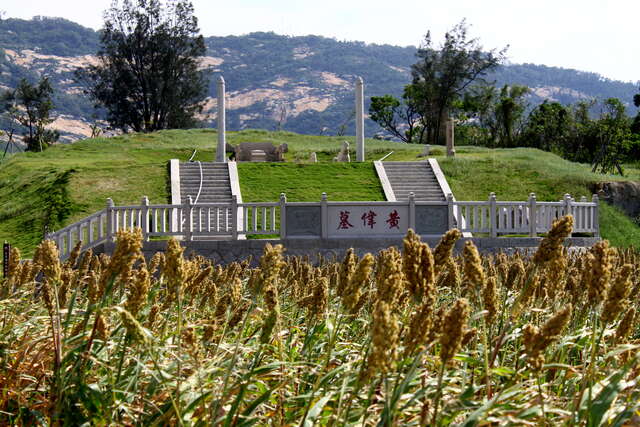
Image source: Taiwan_Opendata; license credits as shown.
Overview
Huang Wei, courtesy name Mengwei, pseudonym Yisou, also known as Yisuo, was from Wenshuitou (now Houshuitou). He was born in the first year of the Ming Hongzhi era (1488), once served as a clerk in Quanzhou Prefecture, and passed the imperial examination in the ninth year of the Zhengde era (1514). He was first appointed as a Deputy Director in the Nanjing Ministry of Punishments and became known for handling cases with purity, caution, clarity, and leniency. He was later promoted to magistrate of Nanhai County, where he reduced corvée labor, promoted ritual education, banned immoral practices, and abolished unorthodox shrines. Owing to recommendations from higher officials, he was transferred to serve as magistrate of Songjiang Prefecture and achieved notable administrative results. Later, because he submitted candid memorials without concealment and did not follow the prevailing authorities, he returned to his hometown to support his parents and teach.
Highlights
Huang Wei Tomb is a Ming-dynasty tomb of a fourth-rank official, located at the famed feng shui site known as "Flying Crow Landing on the Field" at the northern foothills of Mount Taiwu, between Houshuitou and Doumen villages in Kinmen. It is renowned for its imposing tomb design and the story of an upright and incorruptible statesman. Built along the contours of the hillside, the tomb complex offers a tranquil setting and combines feng shui geography, cultural lore, and heritage value, making it ideal to visit together with Houshuitou settlement and the Mount Taiwu area.
What to See
1. Overall layout of the tomb complex: Huang Wei Tomb was built in the Ming Jiajing 17th year (1538) as a tomb for a fourth-rank official. The burial mound spreads along the hillside like a bird stretching its wings, reflecting both traditional feng shui principles and the ritual order of official rank. 2. Stone horse, stone tiger, and stone pillars: In front of the tomb stand a pair each of stone horses, stone tigers, and stone watch pillars, arranged according to the Ming-era burial system for officials. Their solid and solemn carving makes them the visual center of the site and showcases the craftsmanship and ritual hierarchy of the period. 3. The feng shui landscape of "Flying Crow Landing on the Field": The tomb site is regarded as one of Kinmen's four famous feng shui locations, called "Flying Crow Landing on the Field." It lies on a slope between Houshuitou and Doumen, with streams flowing on both sides and converging ahead, and is widely known locally as a treasured feng shui site. 4. Interpretive stele and biography: An inscription and explanatory stele within the tomb complex introduce Huang Wei's background, career, and governing style, allowing visitors not only to see an ancient tomb but also to learn about this Kinmen notable, remembered as a "model of perfect virtue." 5. Rural and foothill scenery: The tomb is set on farmland at the northern foothills of Mount Taiwu, surrounded by open fields and mountain scenery. The view is wide and especially suitable for photography and for enjoying Kinmen's countryside landscape on clear days.
Address
Wuya Land, Houbotou, Jinsha Township, Kinmen County 890 Phone: (08)2318823
Travel Tips
1. Recommended visiting time: Visit Huang Wei Tomb during the daytime so the details of the stone carvings, inscriptions, and surrounding terrain are easier to see and the walk is safer. 2. Best season: Spring and autumn are cooler and drier, making them more comfortable for combining the tomb with a walking route through Kinmen's military heritage and settlements. In summer, the sunlight is strong, so sun protection and hydration are important. 3. Transportation: You can drive from Jincheng Township toward Houshuitou and Doumen by following the road signs, or take a bus and get off at the "Houshuitou" stop, then walk about one kilometer along the signs. The route passes rural and settlement scenery, so allow enough walking time. 4. Walking and footwear: The tomb is on a slope, and some sections may be gentle inclines or stairs. It is recommended to wear supportive, non-slip walking shoes for moving around the fields and hillside. 5. Visiting etiquette: As a historical tomb heritage site, visitors should remain solemn and quiet, avoid climbing on the stone beasts or tomb structure, do not touch or move offerings at will, and take their trash with them to keep the site clean. 6. Nearby attractions: You can combine the visit with Houshuitou settlement, the Mount Taiwu trail, and attractions in the Jincheng area for a half-day or full-day route that includes architecture, natural scenery, and cultural heritage. 7. Photography reminder: Although the site is open to visitors, it is still best to avoid excessive noise or standing on the tomb base while taking photos, as a sign of respect for the deceased and local beliefs and culture.
FAQ
Q: What is the most noteworthy feature of Huang Wei Tomb? A: The most distinctive features of Huang Wei Tomb are its Ming-dynasty tomb layout for a fourth-rank official, the feng shui site known as "Flying Crow Landing on the Field," and the stone horse, stone tiger, and stone watch pillars that symbolize official rank and ritual order. Built on the hillside and stream terrain at the northern foothills of Mount Taiwu, the tomb has a broad and majestic setting. In addition, the interpretive stele records Huang Wei's integrity and upright character, and his reputation as a "model of perfect virtue." Together, these give the site historical, feng shui, and cultural significance, making it especially appealing to travelers interested in traditional official tombs and local gentry culture. Q: Do I need a ticket or reservation to visit Huang Wei Tomb? A: In general, visits to Huang Wei Tomb do not require a special ticket or reservation, and travelers usually visit freely as an outdoor heritage site. Because policies may change, it is best to check the latest announcement from the relevant Kinmen tourism or cultural authorities before departing. If you are joining a guided tour or package trip, the arrangement of the travel operator will apply. Q: How do I get to Huang Wei Tomb? A: You can drive from Jincheng Township along Section 4 of the Ring Island North Road toward Houshuitou and Doumen, following the road signs to reach the site, or take a bus and get off at the "Houshuitou" stop, then walk about one kilometer along the signs. It is advisable to check bus routes and schedules in advance and allow time for walking. If you are traveling by scooter or car, the route is more flexible and convenient, and you can also combine the tomb with nearby settlements and attractions. Q: What etiquette and safety points should I keep in mind when visiting Huang Wei Tomb? A: When visiting Huang Wei Tomb, you should first respect the heritage and tomb setting by keeping quiet, not climbing or graffitiing on the tomb structure or stone carvings, and avoiding stepping on offerings or burning paper money in ways that could create safety risks. The tomb is located on a slope and in farmland, so the ground may be uneven or slippery. It is advisable to wear non-slip shoes, watch your steps, and pay attention to weather changes and strong sunlight, with enough water and sun protection to ensure a comfortable and safe visit.