Shimen Pass
Taiwan · Kinmen County · Jinhu Township · Historic Sites
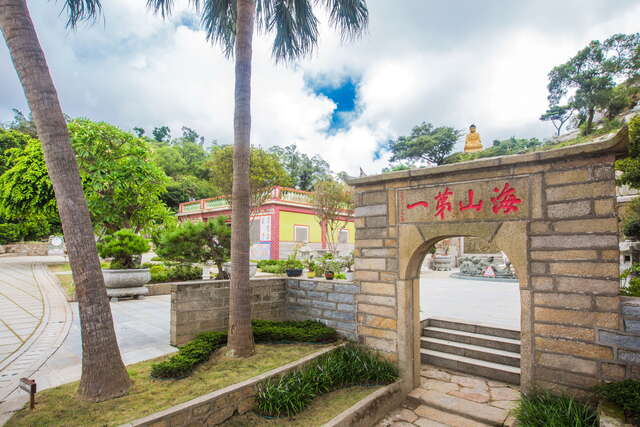
Image source: Taiwan_Opendata; license credits as shown.
Overview
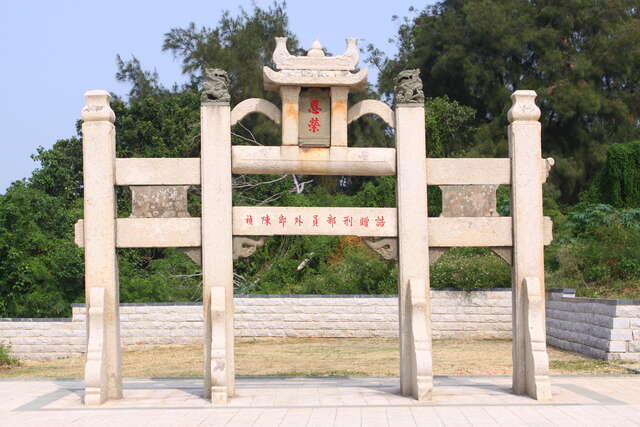
On the way to Haiyin Temple, visitors must pass through an arched stone gateway. Because it functions like a mountain pass, it is called Shimen Pass and is one of the Twelve Wonders of Mount Taiwu. Built from solid, neatly cut granite, Shimen Pass is topped with a reversed-eave roof and slightly upturned corners at all four ends, giving it a graceful, light appearance. The horizontal plaque bears the four characters “First of Sea and Mountain,” written by the Ming loyalist Lu Ruoteng, and the site is now listed as a county-designated heritage monument.
Highlights
Shimen Pass is an arched stone gateway that travelers must pass before reaching Haiyin Temple on Mount Taiwu in Kinmen. It is a county-designated heritage monument and one of the Twelve Wonders of Mount Taiwu. Combining granite construction, an elegant roof, and the inscription “First of Sea and Mountain,” it conveys both the solemnity of a mountain gate and a refined sense of beauty. Built from thick, neatly arranged granite blocks, the gate is covered by a reversed-eave roof with slightly upturned corners, adding a sense of lightness to its otherwise substantial form. It is one of the most iconic visual landmarks for visitors hiking Mount Taiwu and touring Haiyin Temple. The plaque reading “First of Sea and Mountain” was written by the Ming loyalist Lu Ruoteng, highlighting Mount Taiwu’s stature among the mountains of Kinmen and giving Shimen Pass religious, historical, and artistic value.
What to See
1. Arched stone gateway structure: Shimen Pass is a small gate with a semicircular arch, built from thick, orderly granite blocks. The opening has an elegant rounded shape, evoking the entrance to an ancient fortress gate and creating a sense of crossing from one realm into another. 2. Reversed-eave roof and winged corners: The top of the gate is covered with a stone roof in the reversed-eave style, with the four corners slightly upturned. Against the rugged mountain-stone setting, it presents a delicate and graceful curve, making it suitable for close-up architectural photography. 3. “First of Sea and Mountain” plaque: The horizontal plaque above the gate is engraved with the four characters “First of Sea and Mountain.” It is said to have been written by the Ming loyalist Lu Ruoteng. The bold, powerful calligraphy is a much-praised cultural feature and a favorite photo subject. 4. Mountain gate atmosphere: Shimen Pass stands on the main route in front of Haiyin Temple and functions like the temple’s mountain gate. Viewed from the outside, the gate opening and the path or rock chambers behind it create the impression of stepping into a quieter world, making it one of the most atmospheric scenes among the Twelve Wonders of Mount Taiwu. 5. Route relationship with Haiyin Temple: Most visits to Haiyin Temple involve passing through Shimen Pass first. The route links the mountain gate, stone chambers, and temple buildings, allowing visitors to experience nature, religion, and heritage along a short walking path.
Address
Rear of the summit of Mount Taiwu (Meiyuan), Jinhu Township, Kinmen County 891 Phone: (08)2313100
Travel Tips
The most convenient way to visit Shimen Pass is to combine Mount Taiwu and Haiyin Temple in the same trip and walk up the mountain trail, which naturally leads you past this arched stone gate. It is best to visit on a clear day with good visibility, when the changing mountain light can better reveal the texture of the granite and the roofline. Because Shimen Pass lies along the Mount Taiwu trail, visitors should wear comfortable sports shoes or hiking shoes and bring enough water and sun protection for the hike and sun exposure. As the area is a county-designated heritage site, please do not climb on, strike, or carve into the stonework, plaque, or walls when taking photos, so the monument can be preserved in its original condition. If you also plan to visit Haiyin Temple, check the temple’s opening status and related etiquette in advance, and after passing through Shimen Pass, slow down and observe the mountain gate with respect. Mount Taiwu is a popular hiking area, so crowds are heavier on weekends; if you prefer a quieter atmosphere, consider visiting on a weekday or hiking earlier or later in the day.
FAQ
Q: Where is Shimen Pass? How do I get there? A: Shimen Pass is located on the trail in front of Haiyin Temple on Mount Taiwu in Jincheng Township, Kinmen County, and is usually passed naturally on the way up Mount Taiwu to Haiyin Temple. Visitors can take a car or drive to the Mount Taiwu trailhead area, then walk along the trail toward Haiyin Temple to see the arched stone gate in front of the temple. If using public transportation, check bus routes and stops for Mount Taiwu or Haiyin Temple, then follow the mountain path signs uphill on foot. Q: Do I need a ticket or special permit to visit Shimen Pass? A: For most travelers, Shimen Pass is part of the open area around Mount Taiwu and Haiyin Temple and does not require a separate application. As a county-designated heritage monument beside an open mountain trail, it can usually be visited without buying a separate ticket; however, if there are temporary restrictions imposed by Mount Taiwu or park management, visitors should follow on-site notices and relevant regulations. Q: What is worth photographing at Shimen Pass, and what should I pay attention to? A: The most photogenic features are the arched gate built of thick granite and the “First of Sea and Mountain” plaque above it, together with the reversed-eave roof and upturned corners, which create an elegant, old-world mountain-gate scene. It is recommended to photograph the whole structure from the front, or stand behind the gate and shoot back toward the trail to frame the opening and create the feeling of “passing through the gate into the mountain.” Please watch your step on the stone stairs and surrounding terrain, and avoid leaning on or climbing the stonework to protect the monument. Q: Are there any religious or etiquette matters to keep in mind when visiting Shimen Pass? A: Since many visitors go on to Haiyin Temple as well, it is advisable to pass through Shimen Pass with a respectful and quiet attitude. If you plan to enter the temple for worship, slow down after passing the gate, tidy your clothing and appearance, and avoid loud talking, smoking, or drinking in front of the temple. Even if you are visiting only for hiking or sightseeing, it is best to respect local beliefs and the heritage environment so that the calm and solemn atmosphere can be maintained.