Daoying Tower
Taiwan · Kinmen County · Jinhu Township · Historic Sites
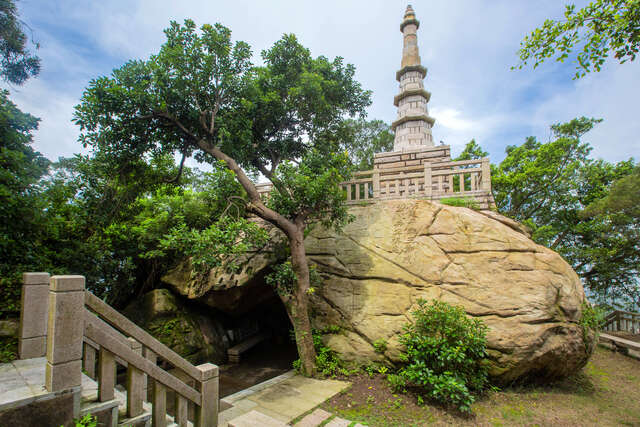
Image source: Taiwan_Opendata; license credits as shown.
Overview
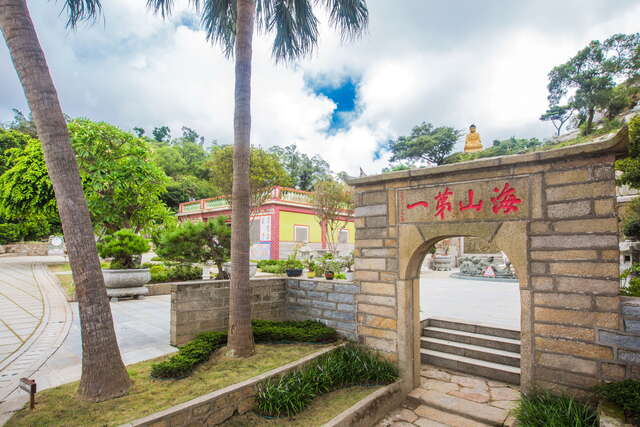
Daoying Tower is located on Shibao Peak behind the Yanping County King Chess-Playing Site on Mount Taiwu. The seven-tier, octagonal tower stands 5.76 meters tall and has a gourd-shaped design. It is one of the three towers built in Kinmen by Zhou Dexing in the early Ming dynasty (Maoshan Tower, Wentai Ancient Tower, and Daoying Tower).
Highlights
Daoying Tower is a restored Ming-dynasty tower attraction on Shibao Peak behind the Yanping County King Chess-Playing Site on Mount Taiwu. It is famous for the mountain-sea sunrise reflection concept and is a good stop when visiting the Mount Taiwu trail and local wartime cultural landscapes. Daoying Tower is a seven-tier, octagonal, gourd-shaped stone tower. It was originally one of the three towers built in Kinmen by Zhou Dexing in the early Ming dynasty, serving both as a maritime marker and as a symbol of prayers for literary success. Today it stands as an important restored landmark.
What to See
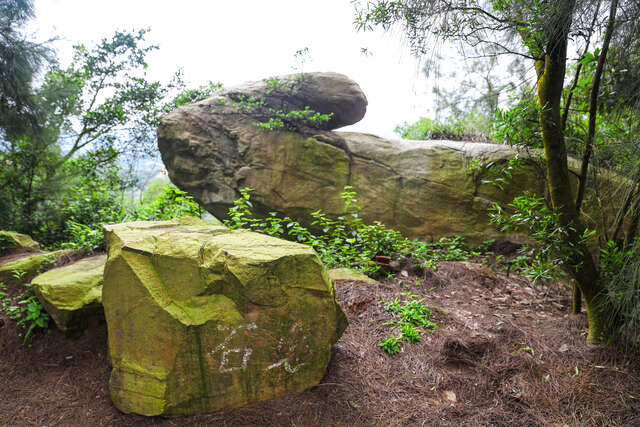
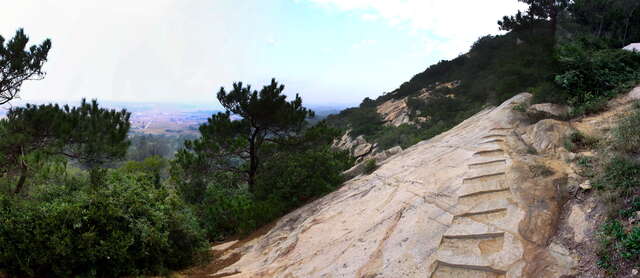
1. The tower itself: Daoying Tower is a seven-tier octagonal tower built of granite. It is about 5.76 meters tall and has a gourd-like shape. The tower has a plain, sturdy appearance and stands on Shibao Peak on Mount Taiwu, with a wide view. 2. The “Wenfeng Songxiu” inscription at the top: After reconstruction, the top of the tower was engraved with the four characters “Wenfeng Songxiu,” symbolizing literary fortune and scholarly elegance. Around the site, some original stones from the old tower top, including pieces carved with characters such as “feng,” “xiu,” and “song,” can still be found, making it a place of interest for heritage and calligraphy enthusiasts. 3. Mount Taiwu sunrise and the tower-shadow legend: The name “Daoying” is said to come from the time when seawater once reached the foot of Mount Taiwu. At sunrise or sunset, the tower’s long shadow would stretch across the water, and schools of fish would gather and swim around it. This is considered one of the Twelve Wonders of Mount Taiwu and is a popular subject for photographers chasing sunrise and silhouette shots. 4. Mount Taiwu trail and nearby stone inscriptions: Near Daoying Tower are the Mount Taiwu trail and many inscriptions, steles, and carved stones. Visitors can also combine the trip with nearby sights such as the “Never Forget the Shame of Jingkang” inscription and Taiwu Rock Temple, creating an itinerary that links military history with religious and cultural heritage. 5. The Kinmen three-tower context: Daoying Tower, Maoshan Tower, and Wentai Pagoda are known together as Kinmen’s three Ming-dynasty towers. They were originally important facilities planned by Zhou Dexing for coastal defense and navigational guidance, and they are especially significant for understanding Kinmen’s early military and maritime development.
Address
No. 891, Yuzhang Road, toward Mount Taiwu, Jinhu Township, Kinmen County Phone: (08) 2313100
Travel Tips
Daoying Tower is open around the clock and free to visit, so it can be flexibly combined with a Mount Taiwu trail visit or a sunrise or sunset trip. Comfortable walking shoes are recommended, along with sun protection, a hat, and drinking water, because the tower is in a mountain trail area with strong sunlight and an uphill walk. Early morning or late afternoon offers cooler weather and softer light, making it a good time to enjoy the mountain-sea scenery and photograph the tower’s silhouette. Visitors who like sunrise photography can also view the tower from the Jinsha Doumen or Hecuo area, where the tower silhouette matches the rising sun. The Mount Taiwu area can be windy and weather conditions change quickly. In autumn and winter, or during northeast monsoon season, bring a light jacket and windproof gear. On rainy days, the trail may be slippery, so pay attention to footing and travel safety. Daoying Tower is a reconstructed heritage site, and some original tower stones still lie around the area. Visitors should not climb on or move the stones in order to protect the cultural asset and ensure personal safety. It is advisable to allow about 30 minutes to 1 hour around Daoying Tower, and to combine it with other Mount Taiwu attractions to create a half-day or full-day cultural hiking route.
FAQ
Q:How do I get to Daoying Tower, and where is it in Kinmen? A:Daoying Tower is located on Shibao Peak behind the Yanping County King Chess-Playing Site on Mount Taiwu in Kinmen County. It can be reached on foot via the Mount Taiwu trail, and is usually visited together with other Mount Taiwu attractions. If driving or riding a scooter, first reach the Mount Taiwu trailhead or nearby parking area, then follow the mountain trail signs uphill on foot. Q:Do I need a ticket or need to pay attention to opening hours when visiting Daoying Tower? A:Daoying Tower is an outdoor attraction open 24 hours a day and admission is free. Visitors may come at any time. Because it is in a mountain-top area, extra care is needed at night or in poor weather, and it is recommended to go with others. Q:What is the historical background and special feature of Daoying Tower? A:Daoying Tower is one of three stone towers built in Kinmen by Zhou Dexing, Marquis of Jiangxia, in the early Ming dynasty. It originally served as a maritime marker and part of the coastal defense system, later suffered collapse in an earthquake and demolition during wartime, and was reconstructed in recent years. The tower is seven-tiered and octagonal with a gourd-shaped form, bears the inscription “Wenfeng Songxiu” at the top, and is said to have been named after the way the tower’s shadow reflected on the water at sunrise and sunset, making it one of the Twelve Wonders of Mount Taiwu. Q:How much time should I set aside for Daoying Tower, and which nearby attractions can I combine it with? A:It is generally recommended to spend about half an hour at Daoying Tower. Combined with the Mount Taiwu trail, nearby stone carvings, Taiwu Rock Temple, and the “Never Forget the Shame of Jingkang” inscription, it can become a half-day to full-day cultural hiking route in the mountain area. Visitors who enjoy photography and natural scenery may choose sunrise or sunset to experience the mountain-top sea of clouds, light and shadow, and the blend of wartime and cultural heritage.