Gakushuin Memorial Museum
Japan · 豐島區 · Landmarks
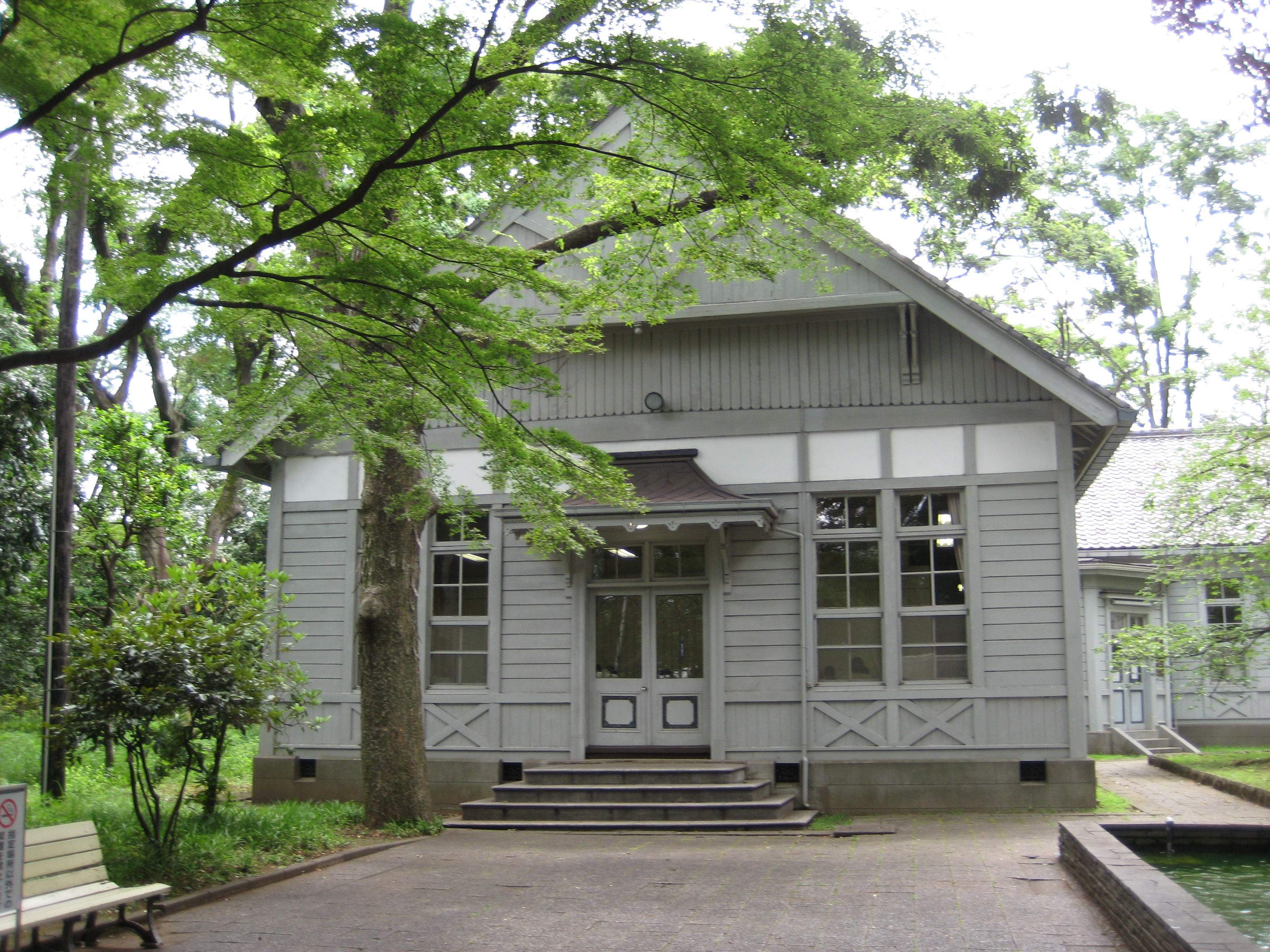
Image source: Wikimedia Commons; license credits as shown.
Overview
The Gakushuin Memorial Museum is a historical and cultural museum affiliated with Gakushuin University, located within the university's Mejiro campus in Toshima, Tokyo. The museum houses approximately 250,000 items related to the Japanese imperial family, nobility, and Gakushuin, making it an important site for understanding the aristocratic society before modern times and the history of modern education. The museum is situated in the former school library building designed by the pioneer of modern Japanese architecture, Kunio Maekawa, and will reopen in 2025 after extensive renovations, featuring a modern exhibition space.
Getting There
The most convenient way to reach the Gakushuin Memorial Museum is to take the JR Yamanote Line to 'Mejiro Station', which is about a 1-minute walk to the Gakushuin University campus, and approximately a 4-minute walk to the museum. Alternatively, you can take the Tokyo Metro Fukutoshin Line to 'Zoshigaya Station', and from the main entrance of Gakushuin University, it is about a 1-minute walk to the museum entrance.
Highlights
The main feature of the Gakushuin Memorial Museum is its collection of approximately 250,000 precious historical documents and artworks related to the Japanese imperial family, nobility, and Gakushuin, which collectively present the development of Japan's upper-class society and educational system. The permanent exhibition focuses on the history of Gakushuin since its establishment as a school for the children of the nobility in 1877, introducing the lives of royal and noble students through documents, photographs, and physical exhibits. The collection includes a large number of ancient documents, paintings, and crafts from the imperial family and nobility, which hold significant academic and cultural value for understanding traditional Japanese culture and etiquette. The museum also plans special exhibition halls to host thematic exhibitions focused on imperial culture, modern history, or the history of Gakushuin, allowing the general public and researchers to engage with these rare collections from different perspectives.
What to See
Key highlights include: 1. Documents on the relationship between the imperial family and nobility: Exhibits include documents from the medieval period to modern times related to the aristocracy and samurai families, showcasing the political and social history of Japan's ruling elite. 2. Artifacts and artworks related to the imperial family and nobility: The collection features numerous paintings, calligraphy, and crafts associated with the imperial family and nobility, which are crucial for understanding Japanese court culture and aesthetic traditions. 3. History of Gakushuin: Through photographs, student supplies, and various administrative documents from different eras, the exhibition reviews Gakushuin's journey since its founding in 1877 and its establishment as a university in 1949, nurturing royal, noble, and many social elites. 4. Building designed by Kunio Maekawa: The museum is located in the old school library building designed by the pioneer of modernist architecture in Japan, Kunio Maekawa, and the building's exterior and renovated interior space are also significant attractions. 5. Special exhibitions: After reopening, the museum plans to focus on exhibitions related to imperial and noble culture, modern educational history, and themes related to Gakushuin, making it suitable for repeat visits.
Hours & Admission
The Gakushuin Memorial Museum is generally open daily from 10:00 AM to 5:00 PM, with the last admission typically allowed shortly before closing. It is recommended to arrive early to fully enjoy the visit. Admission to the museum is free, and no tickets are required for the permanent exhibition and most special exhibitions, making it very friendly for travelers and researchers. The museum is closed on Sundays, national holidays, Gakushuin Hospital Memorial Day (October 17), during university entrance examination periods (around February), and during specific periods at the end of the year and summer. Some dates may be announced separately, so it is advisable to check official information before visiting.
Address
〒171-8588 Tokyo, Toshima, Mejiro 1-5-1, Gakushuin University Mejiro Campus, Gakushuin Memorial Museum
Travel Tips
It is recommended to allocate at least 1 to 1.5 hours for visiting the Gakushuin Memorial Museum to leisurely read through the historical materials and exhibition descriptions related to the imperial family and nobility. The collection focuses on the history of Japan's political and social elite, making it particularly suitable for travelers and researchers interested in modern history, the Japanese imperial system, and educational history. The museum is located within the Gakushuin University campus, where visitors can also enjoy the gentle campus atmosphere in the Mejiro area during spring. The surrounding residential area is relatively quiet, making it a great stop on a cultural walking route. Since some exhibits include valuable ancient documents and artworks, flash photography is usually prohibited inside the museum. It is advisable to follow on-site instructions and maintain silence to avoid disrupting campus classes and other visitors.
Nearby Dining
There are several cafes, Western-style restaurants, and Japanese family-style eateries around Mejiro Station, where visitors can arrange meals or afternoon tea before or after their visit. The area surrounding Gakushuin University also has affordable dining options and cafes popular among students, suitable for travelers wanting to experience the campus atmosphere. If you walk or take a train towards Ikebukuro, you can find a wider variety of dining options in large commercial facilities.
FAQ
Q: What does the Gakushuin Memorial Museum mainly exhibit? A: The Gakushuin Memorial Museum mainly exhibits historical documents, photographs, paintings, and crafts related to the Japanese imperial family, nobility, and Gakushuin, showcasing the development of Japan's elite society and educational system. The collection includes approximately 250,000 items, ranging from medieval aristocratic documents to modern materials related to Gakushuin, making it an important resource for studying the history of the imperial family and nobility. Q: What are the opening hours and closing days of the Gakushuin Memorial Museum? A: The Gakushuin Memorial Museum is generally open from 10:00 AM to 5:00 PM, with free admission. The museum is closed on Sundays, national holidays, hospital memorial day (October 17), university entrance examination periods, and specific periods at the end of the year and summer. Some specific closing days may vary by year and will be announced separately, so it is advisable to check the official website for the latest information before visiting. Q: How do I get to the Gakushuin Memorial Museum? A: The most convenient way to reach the Gakushuin Memorial Museum is to take the JR Yamanote Line to 'Mejiro Station', and after exiting, it is about a 1-minute walk to Gakushuin University campus, followed by a few minutes' walk to the museum. You can also take the Tokyo Metro Fukutoshin Line to 'Zoshigaya Station', and from the main entrance of Gakushuin University, it is about a 1-minute walk into the campus to reach the museum building. Q: Do I need to buy a ticket or make a reservation to visit the Gakushuin Memorial Museum? A: Admission to the Gakushuin Memorial Museum is free, and individual visitors generally do not need to make a reservation in advance to enter. For large groups or special research needs, it is recommended to contact the museum in advance or check the official website for any additional application processes. Q: Does the Gakushuin Memorial Museum provide information in English? A: The Gakushuin Memorial Museum has an English version of its official website, providing an introduction to the museum and basic information. Some exhibits or descriptions may also have English guidance. If you need more in-depth English explanations, it is advisable to review the official website or bring related historical background materials for your visit.