Otomeyama Park
Japan · 下落合 · Parks & Gardens
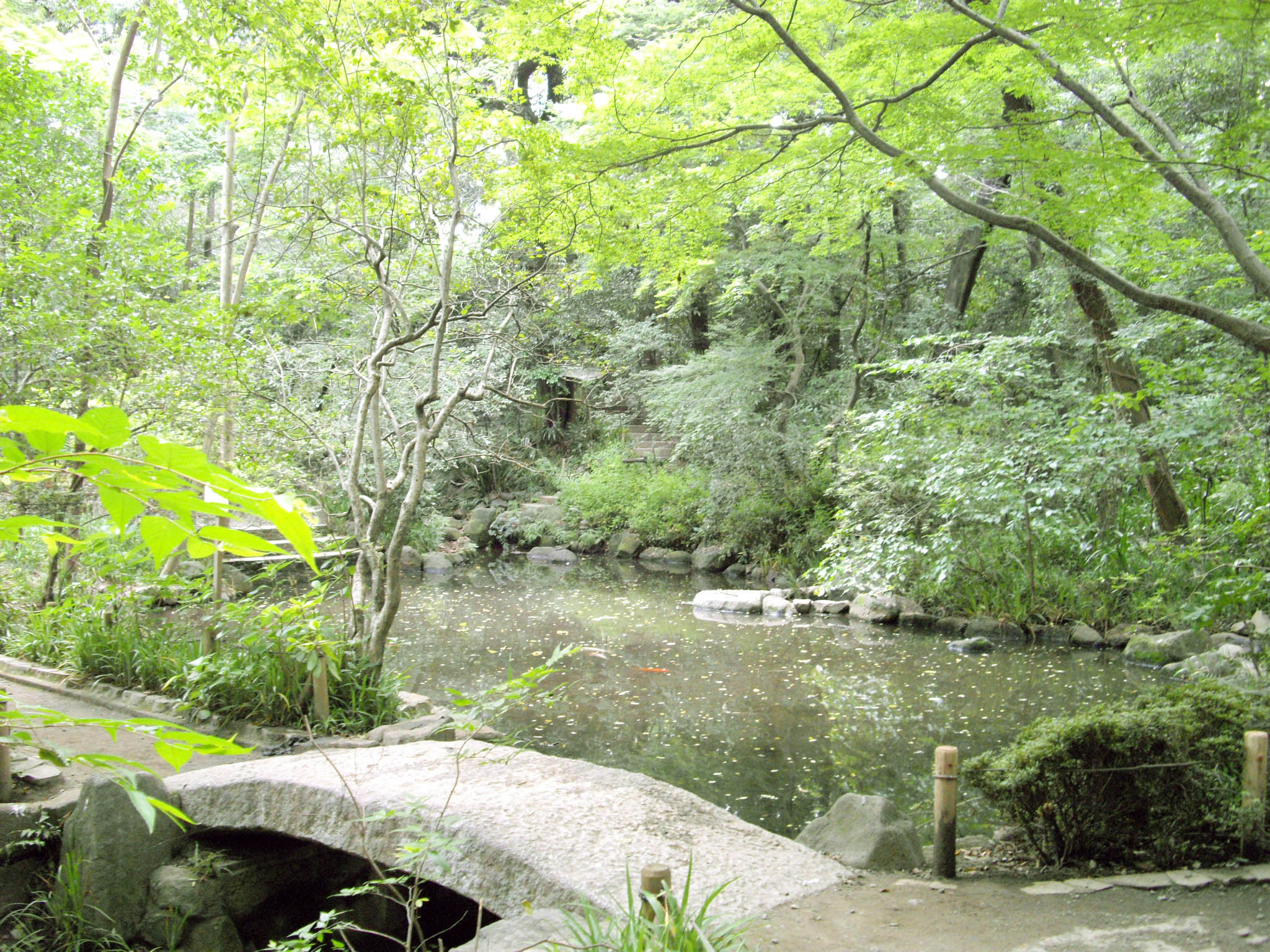
Image source: Wikimedia Commons; license credits as shown.
Overview
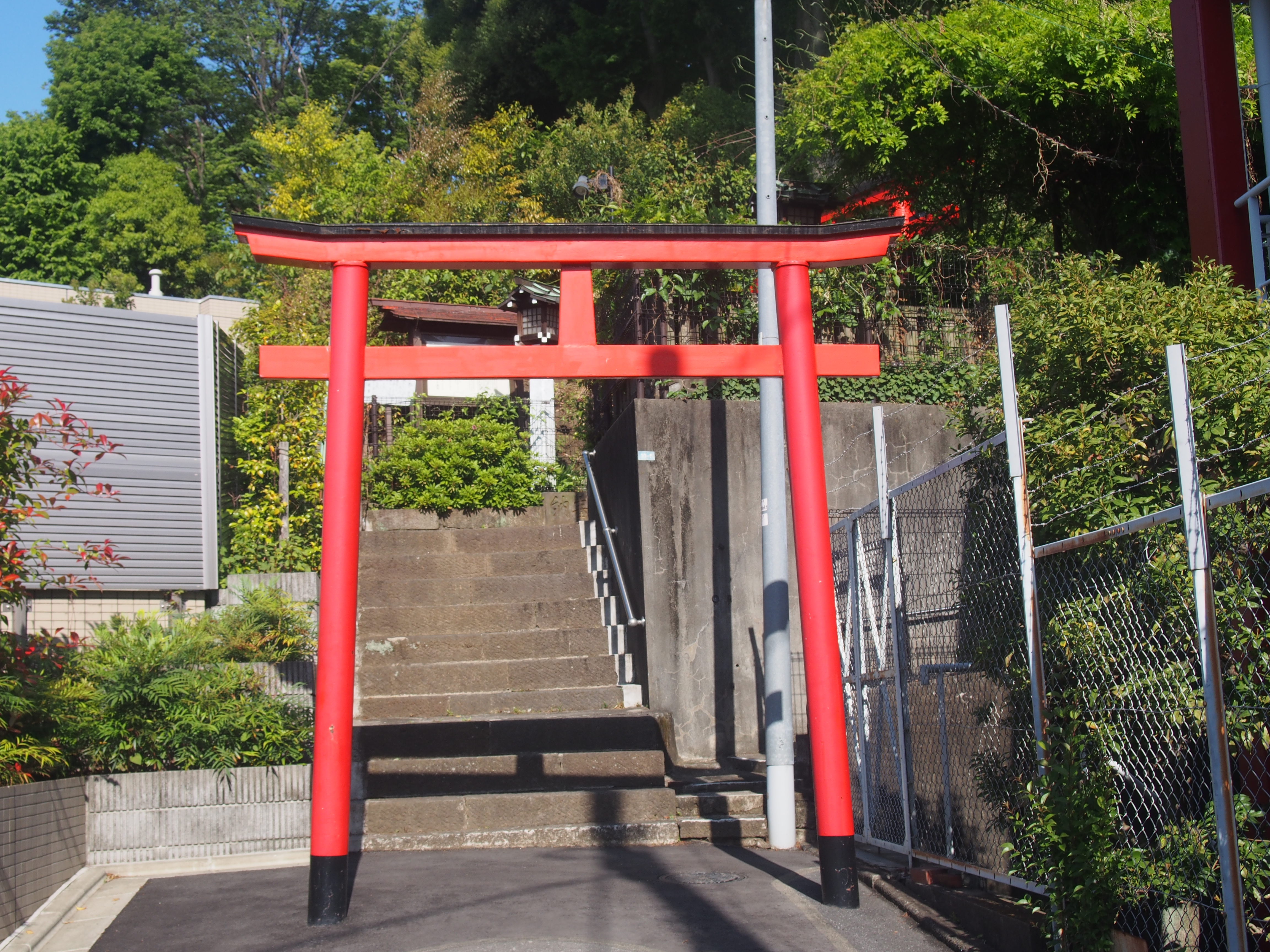
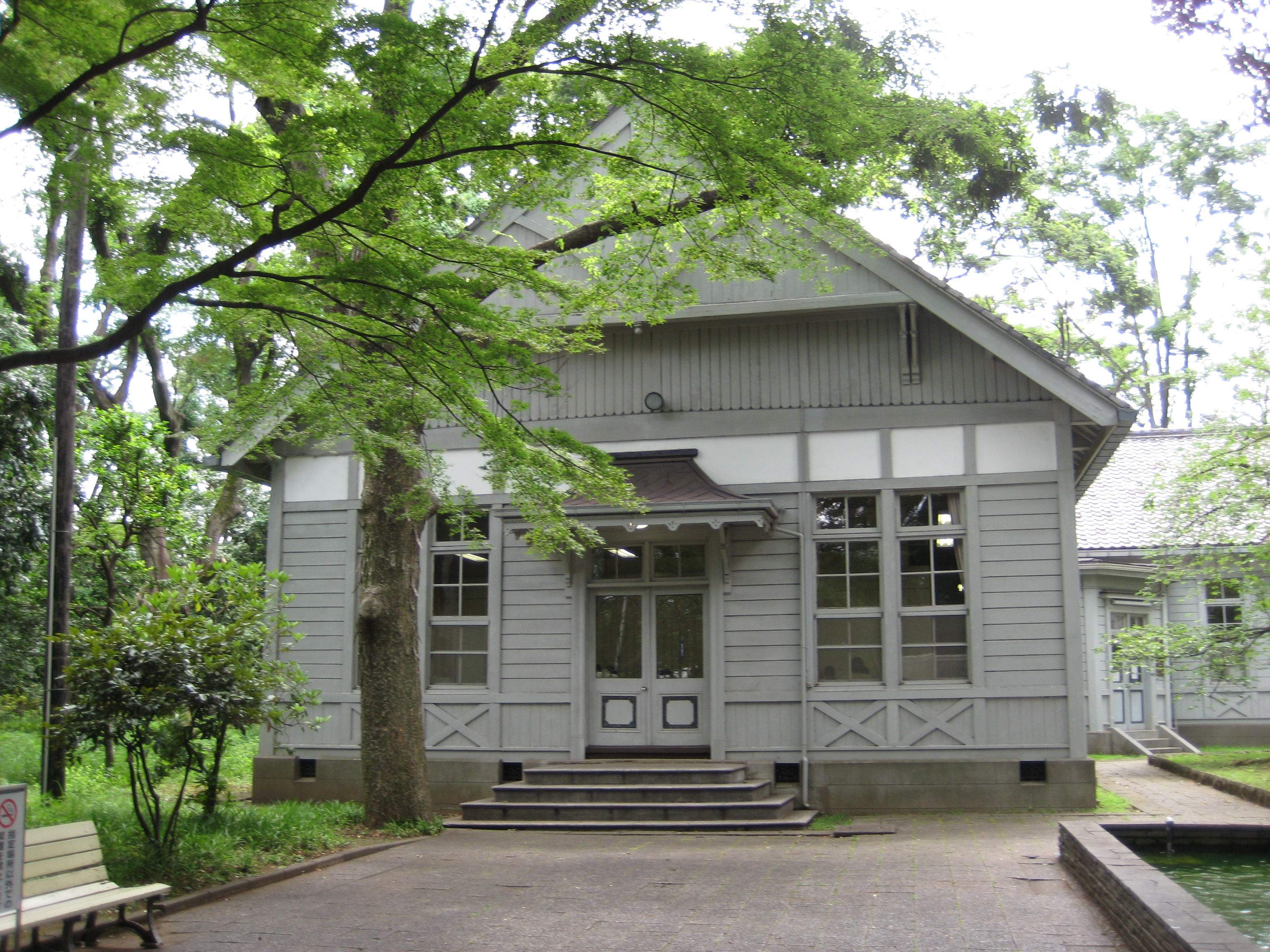
Otomeyama Park is located in the Shinjuku area of Tokyo, specifically in the Shimoochiai district. It is an urban park that preserves the green spaces and spring water landscapes of the Ochiai cliff line. Within the park, visitors can see forests, grassy areas, and flowing water, along with remnants of a Taisho-era garden, combining natural ecology with historical background.
Getting There
You can take the JR Yamanote Line, Tokyo Metro Tozai Line, or Seibu Shinjuku Line to Takadanobaba Station and walk about 7 to 10 minutes; you can also walk about 10 minutes from the Seibu Shinjuku Line Shimoochiai Station or from JR Mejiro Station.
Highlights
Preserves the sloped green terrain and flowing spring water landscape of the Ochiai cliff line. The park features a history as a hunting ground from the Edo period and remnants of a Taisho-era garden. The spring water is selected as one of the '57 Famous Springs of Tokyo' and is a representative feature of the park.
What to See
Spring water and streams: Observe the sources of springs and stream landscapes within the park. Forest area: Preserves rare gentle slope woodlands and natural vegetation in the city. Grassy areas and pathways: Suitable for walking, resting, and short family stops. Garden remnants: Experience the historical traces of the former Soma family residence garden.
Hours & Admission
Opening hours: April to September 7:00–19:00; October to March 7:00–17:00. Admission is free. The park is open year-round without closure.
Address
2-10 Shimoochiai, Shinjuku, Tokyo
Travel Tips
Spring and autumn are the best seasons for walking; in summer, you can enjoy the lush greenery and spring water scenery. There is no general parking available in the park, so it is recommended to use public transportation. Nearby Takadanobaba and Mejiro areas offer dining and convenience facilities, making it convenient for a half-day stroll. To avoid crowds, consider visiting on weekdays.
Nearby Dining
There are several cafes and casual dining options around Takadanobaba Station, suitable for meals before or after visiting the park. Around Mejiro Station, there are cafes and dessert shops, ideal for a relaxing break. The Shimoochiai and Takadanobaba areas also have convenience stores and takeout dining options.
FAQ
Q: Where is Otomeyama Park? A: Otomeyama Park is located at 2-10 Shimoochiai, Shinjuku, Tokyo. Q: How do I get to Otomeyama Park? A: It is about a 7 to 10-minute walk from Takadanobaba Station, or about a 10-minute walk from Shimoochiai Station or Mejiro Station. Q: Is there an entrance fee for Otomeyama Park? A: Admission to Otomeyama Park is free. Q: What are the opening hours of Otomeyama Park? A: From April to September, it is open from 7:00 to 19:00, and from October to March, it is open from 7:00 to 17:00. Q: Is there parking available in the park? A: There is no general parking in the park; it is recommended to use nearby paid parking or public transportation.