Higashiyama Fuji Inari Shrine
Japan · 新宿區 · Temples & Shrines
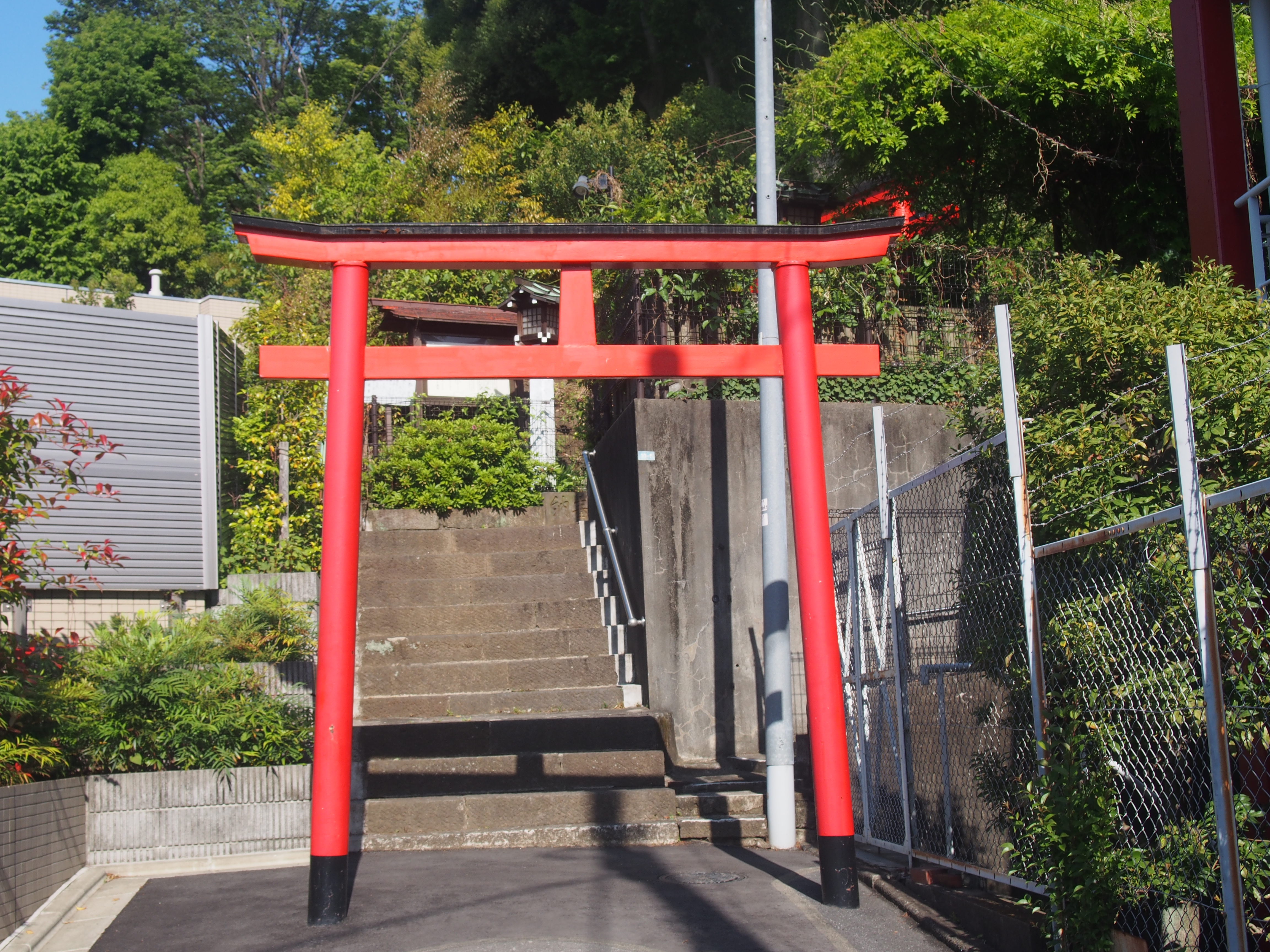
Image source: Wikimedia Commons; license credits as shown.
Overview
Higashiyama Fuji Inari Shrine is a small Inari shrine located in the Shinjuku area of Tokyo, near the Ochiai district, known for its ancient trees and tranquil residential street atmosphere. The shrine is dedicated to Inari, surrounded by lush greenery, making it a perfect spot for a visit while strolling through the bustling Shinjuku area. The shrine preserves a century-old giant tree registered as a cultural asset of Shinjuku, witnessing the historical changes of the area.
Getting There
To reach Higashiyama Fuji Inari Shrine, you can walk from the Seibu Shinjuku Line's 'Shimo-Ochiai Station' or 'Nakano Station', taking about 10 to 15 minutes depending on the actual route to the shrine located in the residential area of Shinjuku. You can also take the Toei Oedo Line to 'Nakano Station' and then walk to the shrine.
Highlights
Higashiyama Fuji Inari Shrine is a small Inari shrine hidden within the residential streets of Shinjuku, offering a quiet atmosphere with few worshippers, ideal for travelers who enjoy walking and capturing everyday scenery. The most distinctive feature of the shrine is the century-old Zelkova tree designated as 'Cultural Asset No. 10 of Shinjuku', which is said to have originally been part of the Konoe family's estate and was preserved due to the strong wishes of local residents. The shrine primarily worships Inari, symbolizing abundant harvests and prosperous business, complemented by its compact layout that creates a simple yet local faith atmosphere.
What to See
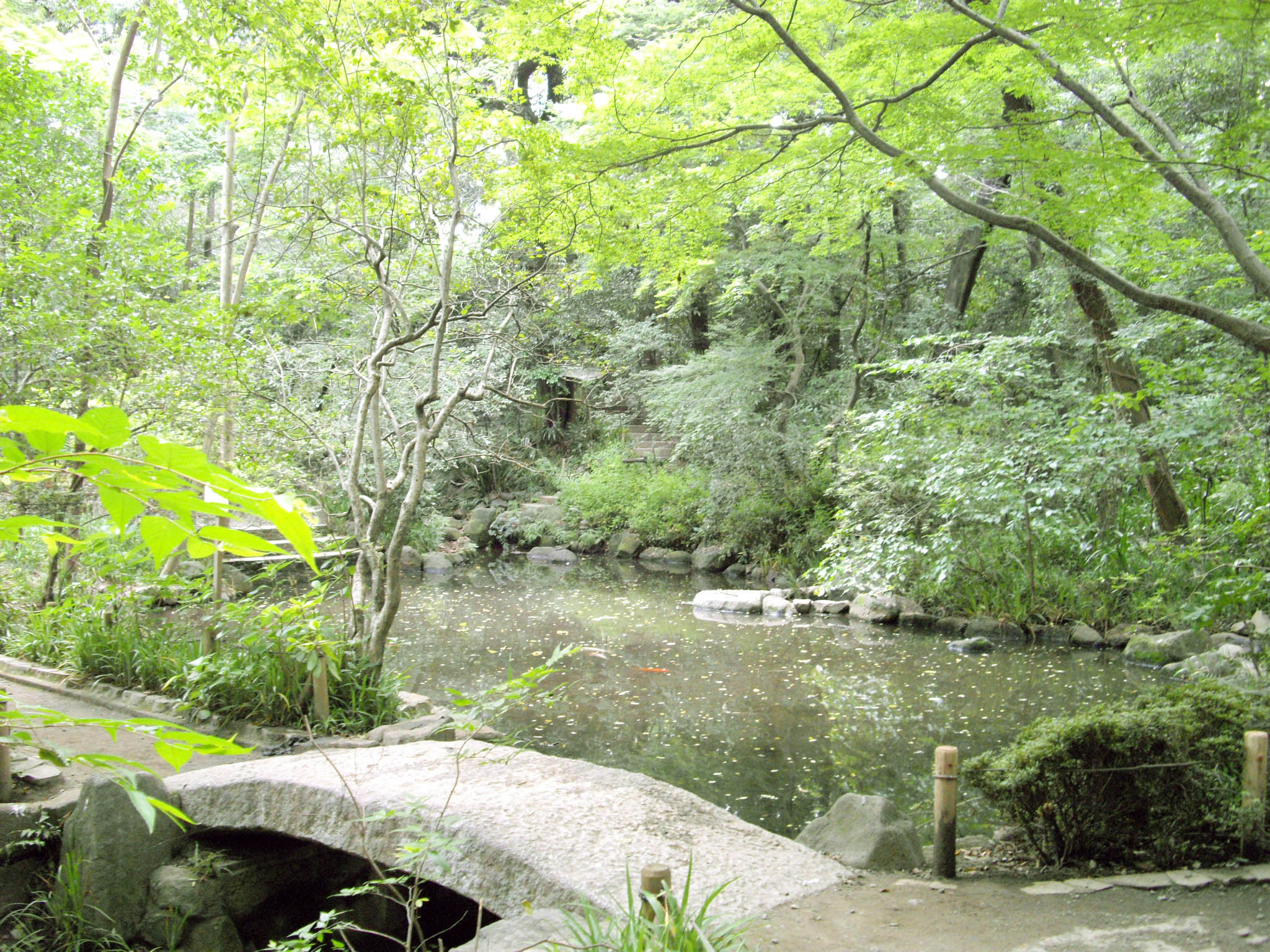
・Shrine Building and Small Grounds: The shrine building of Higashiyama Fuji Inari Shrine is modest in size, located at the corner of a residential area, with a simple approach that embodies the unpretentious character of urban small shrines. ・Cultural Asset Zelkova Tree: Within the shrine grounds stands a Zelkova tree over a hundred years old, registered as 'Cultural Asset No. 10 of Shinjuku', which is said to have once been part of the Konoe family's estate, preserved due to local residents' petitions. ・Quiet Residential Street View: The area surrounding the shrine is a relatively quiet residential neighborhood in Shinjuku, with few tourists, making it suitable for travelers looking to escape the hustle and bustle of Kabukicho and the Tokyo Metropolitan Government area for a leisurely exploration.
Hours & Admission
Higashiyama Fuji Inari Shrine is an open small shrine, generally allowing free worship at any time without an admission fee; however, the hours for shrine activities or special festivals may vary, so it is advisable to check on-site notices. Currently, there is no permanent shrine office or fixed guided tours, and worship is primarily based on individual visits.
Address
Shinjuku, Tokyo, Japan (located in the residential area around Ochiai, a small shrine in Shinjuku)
Travel Tips
It is recommended to visit Higashiyama Fuji Inari Shrine while strolling through the Ochiai, Shimo-Ochiai, or Nakano areas, primarily on foot. The shrine is small, and a stay of about 10 to 20 minutes is sufficient, which can be combined with visits to nearby shrines or parks for a half-day walking itinerary. The surrounding area is residential, with not many tourist facilities, so it is advisable to stock up on drinks and light snacks near the station beforehand. The climate in spring and autumn is comfortable, making it ideal for a leisurely walk through the residential streets to experience the local life atmosphere; be cautious of slippery steps and stone slabs during rainy visits.
Nearby Dining
The area around Higashiyama Fuji Inari Shrine is primarily a residential neighborhood, with dining options concentrated near the nearest Seibu Shinjuku Line stations, 'Shimo-Ochiai Station' and 'Nakano Station', including small izakayas, family-style diners, and cafes, suitable for meals while commuting to and from the stations. For more options, you can travel a few more stops on the Seibu Shinjuku Line to the Shinjuku central area near 'Seibu Shinjuku Station', where various ramen shops, izakayas, and cafes are available.
FAQ
Q: Who is primarily worshipped at Higashiyama Fuji Inari Shrine? A: Higashiyama Fuji Inari Shrine primarily worships Inari, symbolizing abundant harvests and prosperous business, one of the common Inari beliefs in Japan. Although specific information about the deity worshipped at the shrine is less publicly available, most Inari shrines worship deities such as Uka no Mitama no Kami, with people often praying for business prosperity and family safety. Q: What story does the century-old Zelkova tree at Higashiyama Fuji Inari Shrine have? A: The Zelkova tree within Higashiyama Fuji Inari Shrine is designated as 'Cultural Asset No. 10 of Shinjuku', over a hundred years old, and is said to have originally been located at the Konoe family's estate. Later, due to the strong wishes of local residents to preserve this tree amid urban changes, it was relocated and preserved within the shrine, becoming an important symbol of community memory. Q: How can I get from central Shinjuku to Higashiyama Fuji Inari Shrine? A: From central Shinjuku, you can take the Seibu Shinjuku Line from 'Seibu Shinjuku Station', getting off at 'Shimo-Ochiai Station' or 'Nakano Station', and then walk about 10 to 15 minutes to the shrine located in the residential area of Shinjuku. You can also take the Toei Oedo Line to 'Nakano Station' and walk along the residential streets to reach the shrine; it is recommended to use a map for navigation to confirm the route through the alleys. Q: How long should I plan to stay at Higashiyama Fuji Inari Shrine? A: Higashiyama Fuji Inari Shrine is small, and a general visit with simple photography usually takes about 10 to 20 minutes. It is more advisable to arrange it as a small stop to experience the 'local side' of Shinjuku, combined with nearby parks, small shrines, or walking routes in the Ochiai and Shimo-Ochiai areas, rather than visiting as a main attraction on its own. Q: Does Higashiyama Fuji Inari Shrine have festivals or special events? A: As a local small shrine, it is speculated that there may be small-scale local worship activities during traditional seasons such as New Year and Niiname-sai, but currently, public information is limited. If you are interested in participating in local festivals, it is advisable to inquire in advance at the Shinjuku Tourist Information Center or nearby large shrines and local residents about the dates and contents of the events for that year.