Hōdō-in
Japan · Minamiikebukuro · Temples & Shrines
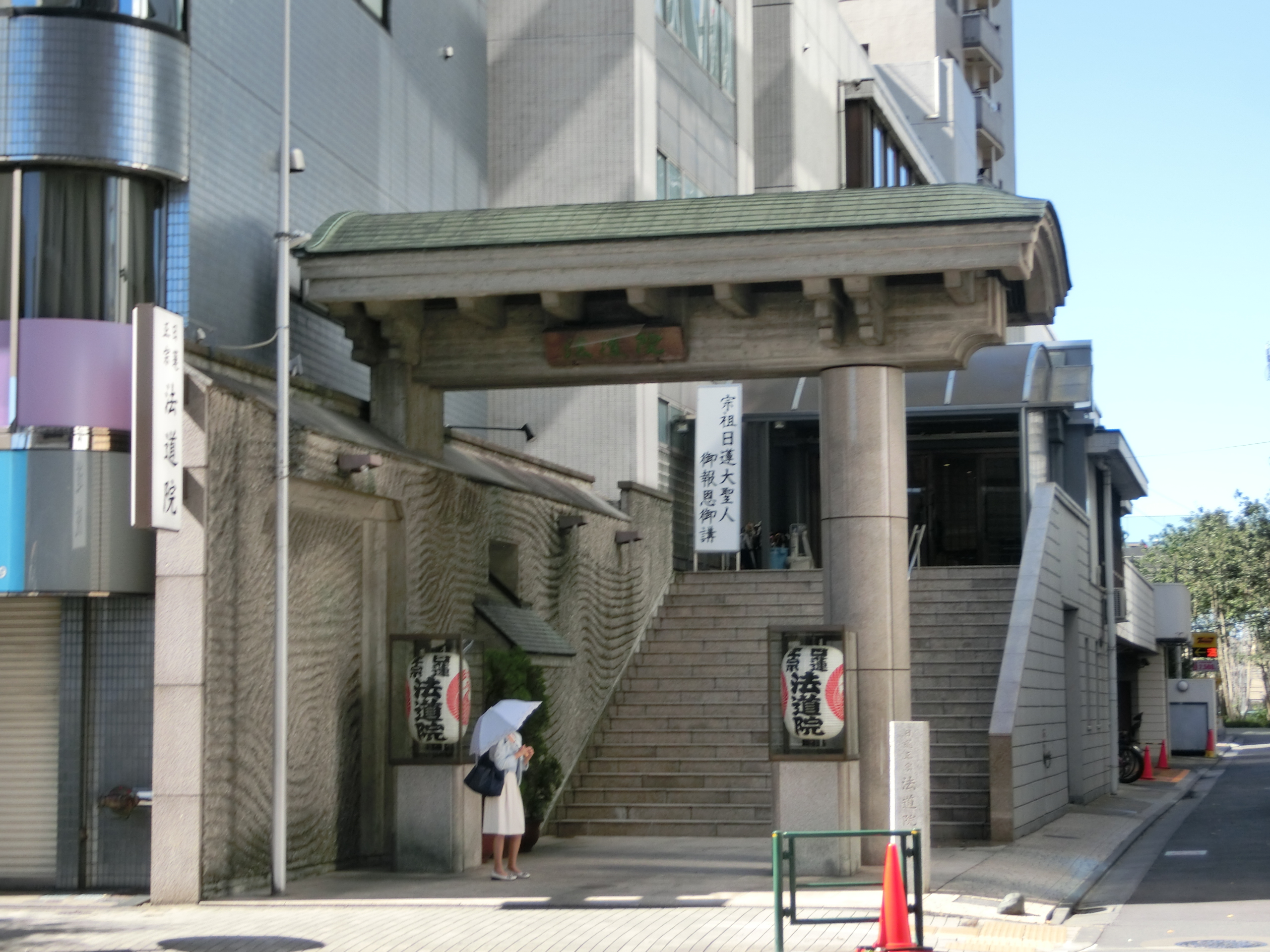
Image source: Wikimedia Commons; license credits as shown.
Overview
Hōdō-in is a Nichiren Shōshū temple located in the Minami-Ikebukuro area of Toshima, Tokyo. Despite being close to the bustling Ikebukuro station, it maintains a quiet and solemn atmosphere. The temple is not large and primarily serves local devotees for worship and ceremonies, making it a suitable small temple to visit while strolling around the neighborhood.
Getting There
Hōdō-in can be reached by a 7 to 10-minute walk from the East Exit of JR Ikebukuro Station. Head along Meiji Street or towards Minami-Ikebukuro until you reach the 1-chome area. You can also take the Tokyo Metro Marunouchi Line, Yurakucho Line, or Fukutoshin Line to Ikebukuro Station and walk from there.
Highlights
Hōdō-in is a small temple belonging to Nichiren Shōshū, situated in a mixed residential and commercial area south of Ikebukuro Station. The temple has a simple exterior and mainly serves local residents for daily worship, ceremonies, and ancestor offerings, presenting a rare quiet religious space in the heart of Tokyo. There are fewer tourists, allowing visitors to experience the authentic atmosphere of a local temple and its faith.
What to See
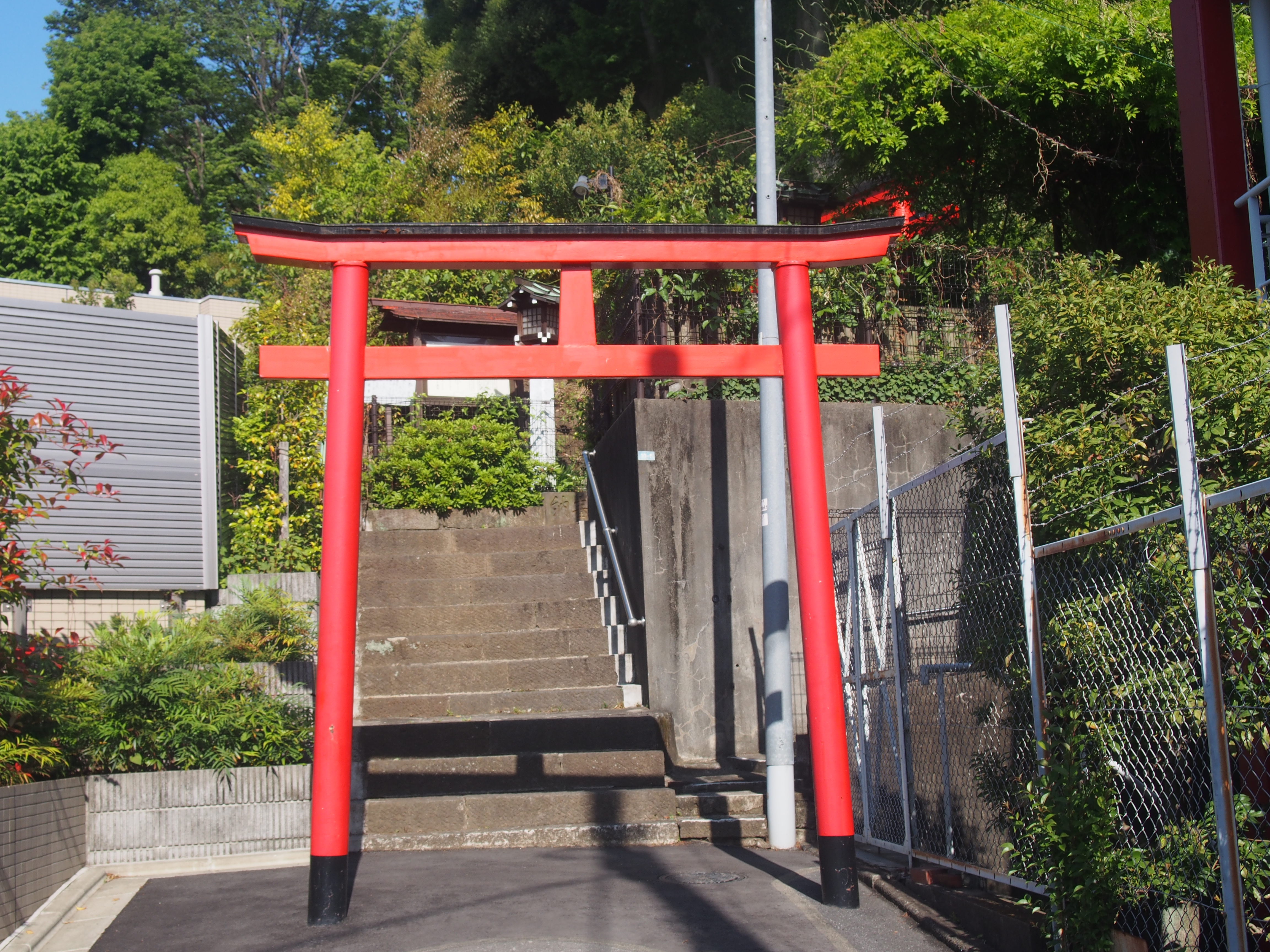
Hōdō-in is not large and is categorized as a neighborhood temple, with its main features being the main hall and small buildings within the grounds. The main hall follows the typical style of Nichiren Shōshū temples, enshrining Saint Nichiren and the main deity, and visitors can quietly worship inside during open hours. In front of the temple, there is a stone lantern and simple greenery, contrasting with the surrounding modern architecture, creating a rare tranquil corner in the city center.
Hours & Admission
Hōdō-in is a general Nichiren Shōshū temple, usually open for free worship by devotees and visitors without an admission fee. Specific opening hours and schedules for special ceremonies are not publicly posted on the official website, so it is recommended to plan visits during the daytime. If you wish to participate in a ceremony or conduct a service, it is advisable to confirm in advance by phone with the temple.
Address
〒171-0022 Tokyo, Toshima, Minami-Ikebukuro 1-chome 13-16 Hōdō-in
Travel Tips
It is recommended to visit Hōdō-in as part of a walking itinerary around Ikebukuro, with the East Exit or South Exit of Ikebukuro Station being the most convenient access points. The temple is located in a residential area, so it is advisable to maintain a quiet demeanor and dress modestly, refraining from loud conversations or taking photos that might disturb worshippers. Information about the temple is limited, and if you encounter a closed gate or ongoing rituals, please respect the temple's arrangements and wait outside or plan to visit another day. The surrounding area is lively, with plenty of dining, shopping, and accommodation options, making it easy to visit nearby shopping streets, department stores, or Minami-Ikebukuro Park for relaxation before or after your visit.
Nearby Dining
The area around Hōdō-in, particularly south and east of Ikebukuro Station, offers numerous restaurants, cafes, and chain eateries within a few minutes' walk. Minami-Ikebukuro Park is home to several stylish cafes and brunch spots, perfect for a light meal and coffee before or after your visit. Towards the East Exit of Ikebukuro, there are food streets in department stores featuring various Japanese, Western, and Asian cuisines, making it very convenient to plan dining and shopping activities. If you prefer a quieter spot, you can choose an independent coffee shop in the alleys of Minami-Ikebukuro, which has a more subdued atmosphere.
FAQ
Q: Where is Hōdō-in located? A: Hōdō-in is located at 1-chome 13-16 Minami-Ikebukuro, Toshima, Tokyo, about a 7 to 10-minute walk from Ikebukuro Station. After exiting from the East or South Exit, walk towards the residential area in Minami-Ikebukuro to reach the small street where the temple is situated. Q: How can I get to Hōdō-in using public transportation? A: The most convenient way to reach Hōdō-in is to take the JR Yamanote Line to Ikebukuro Station and then walk. You can also use the Tokyo Metro Marunouchi Line, Yurakucho Line, or Fukutoshin Line to get off at Ikebukuro Station, and walk towards Minami-Ikebukuro from the East or South Exit. Q: Is there an admission fee or worship fee for Hōdō-in? A: Hōdō-in is a general Nichiren Shōshū temple, and there is usually no admission fee or worship fee for regular visits. It is primarily open for free worship. If you need to conduct specific services, offerings, or participate in ceremonies, there may be related offerings, which should be confirmed directly with the temple. Q: What are the opening hours of Hōdō-in? A: Hōdō-in does not publicly specify detailed opening hours on its website, but it is generally recommended to visit during the daytime, preferably from late morning to before evening. If you plan to visit specifically or wish to participate in a ceremony, it is advisable to call the temple in advance to confirm whether it is open and the schedule of activities on that day. Q: Is Hōdō-in suitable as a tourist attraction? A: Hōdō-in is more of a Nichiren Shōshū temple used by local believers rather than a large tourist temple, so the atmosphere is usually quiet and simple. If you are interested in the everyday faith spaces and small temple culture in central Tokyo, you can consider this place as a brief stop along your walking route in Ikebukuro.