General's Residence
Taiwan · Kinmen County · 金城鎮 · Historic Sites
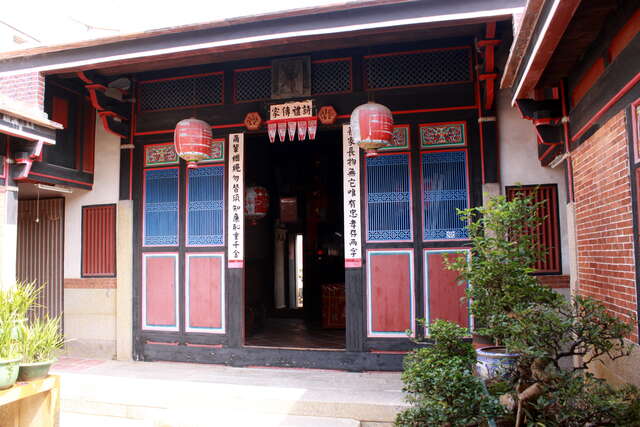
Image source: Taiwan_Opendata; license credits as shown.
Overview
The General's Residence is the former home of Lu Chengjin, who was posthumously granted the title of Martial Manifest General in the late Qing dynasty. Lu Chengjin, courtesy name Weili and art name Fenting, was born in the second year of the Daoguang reign and died in the twentieth year of the Guangxu reign.
Highlights
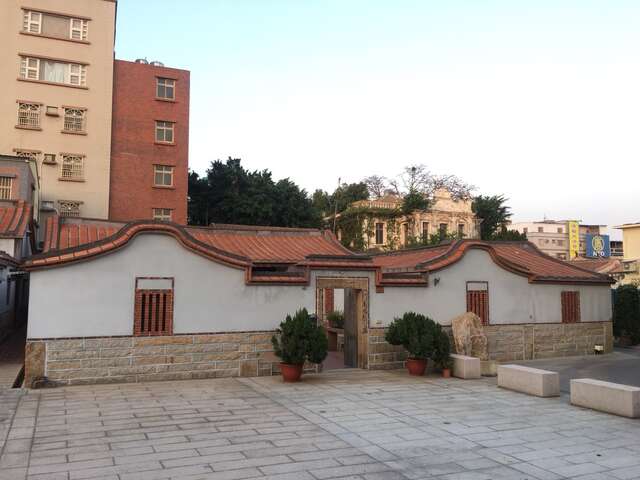
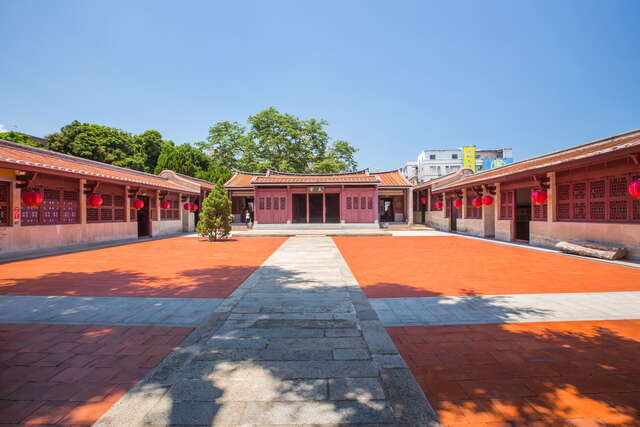
The General's Residence was the home of Lu Chengjin, the Qing-dynasty commander of the Wenzhou garrison, and is a county-designated historic site in Kinmen County and an important former residence of a general. With a typical Southern Fujian siheyuan-style layout, a well-preserved atmosphere of a general's house, and rich family relics, it presents the life story of a late-Qing military officer who earned battlefield merit and returned home in glory. Visitors can also enjoy the alleys of the old Houpu district and the beauty of traditional official-residence architecture, making it an excellent stop while wandering through the old city of Jincheng.
What to See
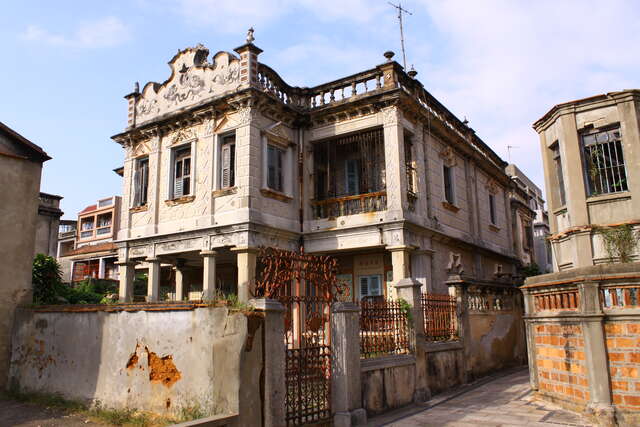
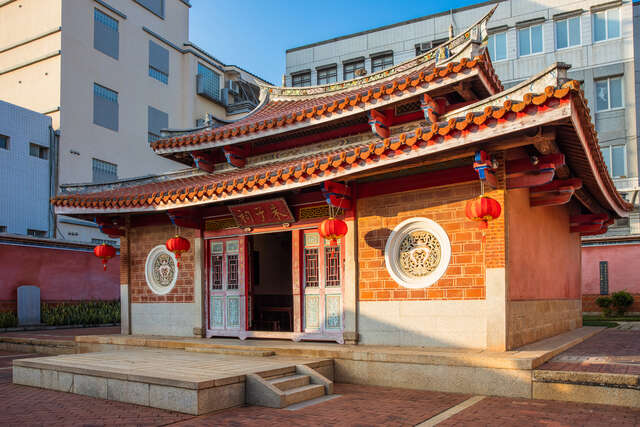
1. The general's residence itself: The General's Residence follows a classic Southern Fujian siheyuan / three-section compound layout, with a main hall and a right-side auxiliary wing, showing the living space and ritual order of an official household that rose to prominence through military service. 2. The 'General's Residence' plaque and red-brick double-happiness wall: The plaque above the main gate is highly symbolic, while the front side walls feature large double-happiness motifs made of red brick, representing joy and honor and serving as a popular photo spot. 3. The main hall and shrine space: The main hall enshrines ancestors and deities, and a plaque reading 'Imperial Grace and Edict' hangs above the shrine, highlighting Lu Chengjin's imperial title of Martial Manifest General and his military achievements; it is the key visual focus for understanding the origin of the residence's name. 4. Relics related to the general: The house preserves Lu Chengjin's battle robes, weapons, and half-length portraits of the general and his wife, allowing visitors to directly sense the military image and family memory of a late-Qing officer. 5. Historic-site restoration and building-material stories: After restoration, the residence largely retains its original appearance. During repairs, a 'black-gold brick' inscribed with the Guangxu reign year was found at a wall corner; it is said to be a palace-style floor tile bestowed by the imperial court, adding a small and interesting historical tale to the house. 6. Alleyways and nearby old-street atmosphere: The General's Residence is tucked into the alleyways of Houpu in Jincheng Township, near old streets, traditional shops, and other historic sites, making it ideal for a walking route that experiences Kinmen's old-town culture and everyday life.
Travel Tips
The General's Residence is best visited as part of a walking route through the old streets of Jincheng Township, with a slow stroll from the Houpu Old Street area to fully appreciate the atmosphere created by linked alleyway heritage sites. Kinmen is windy with strong sunlight, so it is advisable to bring sun protection, a light jacket, and comfortable walking shoes; spring and autumn are the most pleasant seasons for exploring old streets and historic sites. The General's Residence is still occupied by descendants, and although parts of it are open to visitors, you should keep your voice down, avoid disturbing residents, and maintain cleanliness; respecting private living space is essential. When taking photos, focus on the exterior and public areas, and avoid close-up shots of indoor private living spaces or residents to preserve mutual respect and privacy. It is recommended to combine the visit with nearby cultural attractions and local snacks to create a half-day or full-day walking itinerary in Jincheng, linking multiple sites to better understand Kinmen's military history and the development of its local settlements.
FAQ
Q:What is the General's Residence mainly for? A:The General's Residence is mainly for seeing the former home and related relics of Lu Chengjin, a Qing-dynasty Martial Manifest General, while experiencing the layout of a traditional official residence and the story of a general's life. Visitors can see the siheyuan-style compound, the 'General's Residence' plaque and red-brick double-happiness wall, as well as the 'Imperial Grace and Edict' plaque, battle robes, and portraits in the main hall, all of which are very helpful for understanding late-Qing military leaders and Kinmen's local development. Q:What etiquette should be observed when visiting the General's Residence? A:The most important thing when visiting the General's Residence is to remain quiet and courteous, because it is both a historic site and a private home still occupied by descendants. Visitors should speak softly, avoid noise, do not touch relics or architectural elements casually, and avoid taking close-up photos of residents or private spaces, so that the safety of the historic site and the privacy of the home can be maintained. q:Which nearby attractions pair well with the General's Residence? A:The General's Residence is located in the Houpu area of Jincheng Township and is suitable to combine with Houpu Old Street, nearby historic sites, and urban streetscape attractions in a walking route. You can first explore the old street area to learn about Kinmen's traditional commerce and settlement patterns, then walk into the alleyways to visit the General's Residence and other historic buildings, creating a stroll that blends culture, architecture, and neighborhood character. Q:Is the General's Residence worth visiting even if I do not know much history? A:Even without much background in history, the General's Residence is still worth visiting because the architecture itself and the alleyway atmosphere are distinctive, making it ideal for travelers who enjoy photography and old-town walks. On site, tangible items such as the plaque, the inscription, and the battle robes also let visitors directly sense a general's life story from anti-piracy campaigns to an honored return home, without needing much prior knowledge to enjoy the visit.