Zhuzi Shrine
Taiwan · Kinmen County · 金城鎮 · Historic Sites
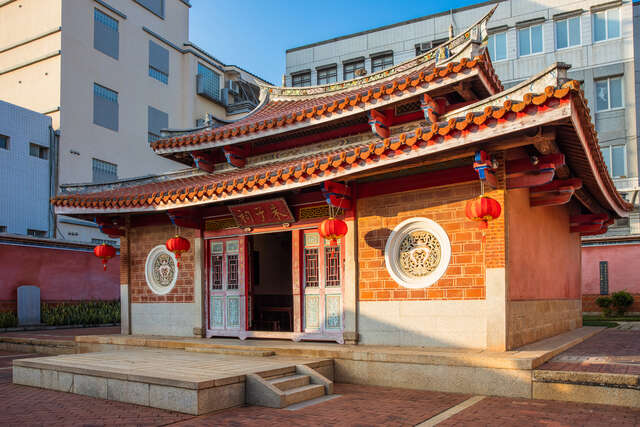
Image source: Taiwan_Opendata; license credits as shown.
Overview
The Kinmen Zhuzi Shrine was established in the 26th year of the Kangxi reign of the Qing dynasty (1687) and originally set up within Wujiang Academy. In the 35th year of the Qianlong reign (1770), Assistant Magistrate Cheng Yu, finding the academy too cramped, proposed building a hall and surrounding wings, but the plan was not completed because he left office. The property was later purchased by the local notable Huang Rushi and converted back into an academy, with altars dedicated to Zhuzi, Kui Xing, the Wenchang Emperor, the God of Earth and Wealth, and Kinmen worthies such as Xu Sheng, Lü Dakui, Lin Xiyuan, Wang Lixing, Qiu Kui, and Xu Xie. In the 46th year of the Qianlong reign (1781), the original academy site was requisitioned for the county assistant magistrate’s office, and a new academy and Zhuzi Shrine were rebuilt on the former site of the local charity school to the west.
Highlights
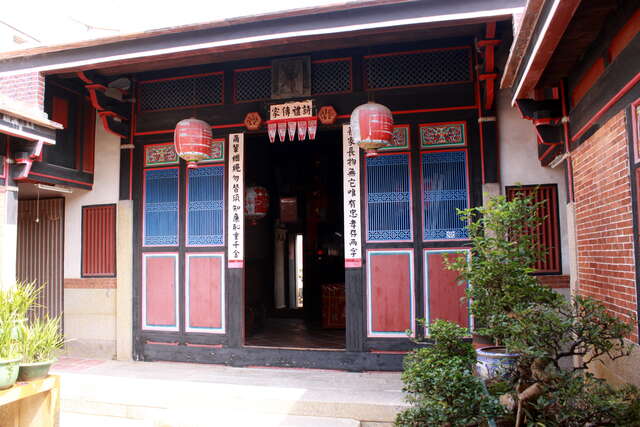
Zhuzi Shrine was built to honor Zhu Xi, the great Confucian thinker of the Southern Song dynasty, and is the most completely preserved traditional shrine space and timber structure in the Wujiang Academy complex. The shrine enshrines Zhuzi, Kui Xing, the Wenchang Emperor, the God of Earth and Wealth, and several Kinmen worthies, reflecting Kinmen’s tradition of valuing learning and the academy-based sacrificial culture. Originating in the Kangxi period and reconstructed as an academy and shrine in the Qianlong era, the complex is an important national historic monument for understanding Kinmen’s academy system and local gentry culture.
What to See
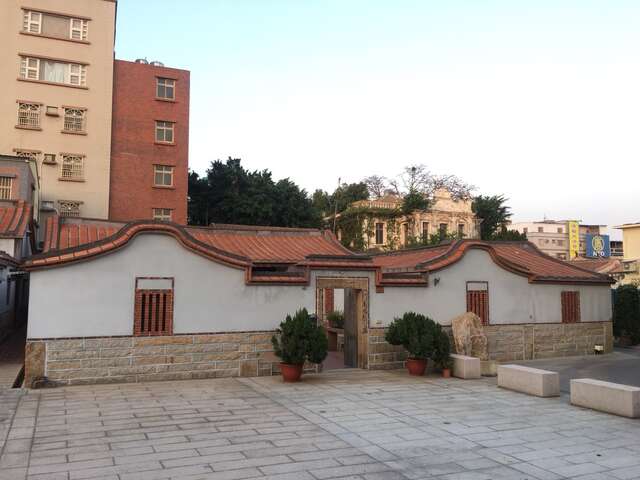
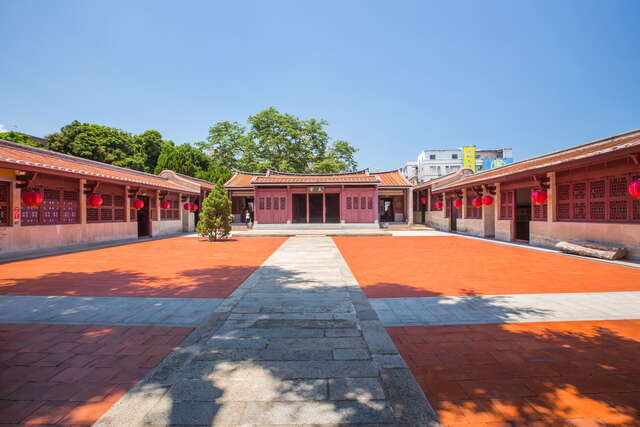
1. Main hall of Zhuzi Shrine: The main hall is the core space for worshiping Zhu Xi, with a dignified and simple shrine layout that invites visitors to appreciate the educational influence this master of Neo-Confucianism left on Kinmen. 2. Deities and Kinmen worthies’ memorial tablets: The shrine also honors Kui Xing, the Wenchang Emperor, the God of Earth and Wealth, as well as memorial tablets for Kinmen worthies such as Xu Sheng, Lü Dakui, Lin Xiyuan, Wang Lixing, Qiu Kui, and Xu Xie, showing the local gentry’s respect for literary success and protective deities. 3. Traditional timber structure and shrine layout: Zhuzi Shrine preserves the traditional shrine form and timber framework, with roof trusses, beams, pillars, and decorative details clearly visible, making it highly valuable for visitors interested in architecture and cultural heritage. 4. Courtyard space integrated with Wujiang Academy: Zhuzi Shrine stands behind Wujiang Academy, with the original academy arrangement of lecture hall, ceremonial gate, and main gate in front. The overall axis, from the screen wall and courtyard to the shrine at the rear, presents the historic pattern of academy and shrine combined. 5. Historic atmosphere and literary ambience: Walking through the academy and shrine, visitors can sense Kinmen’s strong literary tradition and respect for Confucian learning since the Qing dynasty through plaques, couplets, and the scale of the architecture.
Address
No. 36, Zhubu North Road, Jincheng Township, Kinmen County 893 Phone: (08) 2328638
Travel Tips
When visiting Zhuzi Shrine, allow time to also see Wujiang Academy so you can understand the full context of Kinmen’s academy system and shrine culture. Because this is a space associated with ancestral and temple worship, visitors should keep quiet, dress respectfully, and show consideration for local beliefs and ritual customs. Zhuzi Shrine is located in the Jincheng township urban area of Kinmen, making it suitable to combine with nearby old-city streets, the academy, and surrounding historic sites on foot or by bicycle. Kinmen has strong summer sun and significant northeast monsoon winds in winter, so it is advisable to prepare sun protection, wind protection, and warm clothing depending on the season, and to bring your own drinking water when touring historic sites. As the shrine is a heritage building, visitors should avoid touching statues, timber elements, and plaques when taking photos, and should refrain from using strong flash lighting to help preserve the artifacts.
FAQ
Q: Which historical figure is Zhuzi Shrine mainly dedicated to? A: Zhuzi Shrine was established mainly to commemorate Zhu Xi, the great Confucian scholar of the Southern Song dynasty. The shrine centers on his worship and also reflects his historical role in promoting education and inspiring scholarship in Tong’an and Kinmen, making it an important symbol of Confucian learning and education in Kinmen. Q: What is the relationship between Zhuzi Shrine and Wujiang Academy? A: Zhuzi Shrine and Wujiang Academy belong to the same building complex. The shrine is a dedicated worship space located behind the academy courtyard. In earlier times, Zhuzi Shrine was originally set up inside Wujiang Academy, and when the academy was rebuilt, the shrine was established at the rear of the courtyard, creating a layout with the lecture hall and school buildings in front and Zhuzi Shrine behind. This arrangement reflects the academy’s dual role in teaching and worship. Q: Besides Zhu Xi, which deities and figures are worshiped in Zhuzi Shrine? A: In addition to Zhu Xi, the shrine also enshrines Kui Xing, the Wenchang Emperor, the God of Earth and Wealth, as well as Kinmen worthies such as Xu Sheng, Lü Dakui, Lin Xiyuan, Wang Lixing, Qiu Kui, and Xu Xie. This arrangement, which combines worship of Wenchang, Kui Xing, and local gentry figures, reflects Kinmen society’s shared respect for learning, local guardianship, and the moral character of local worthies. Q: Are there any special etiquette rules to observe when visiting Zhuzi Shrine? A: When visiting Zhuzi Shrine, it is best to enter with the attitude of a place of worship, remain quiet, and avoid eating or playing in front of the altar. Modest clothing is recommended, and when taking photos, do not climb on, touch, or handle the statues or timber decorations. If you wish to offer incense or pray, follow the on-site instructions and local customs to show respect.