Gugang Tower
Taiwan · Kinmen County · Jincheng Township · Nature & Scenery
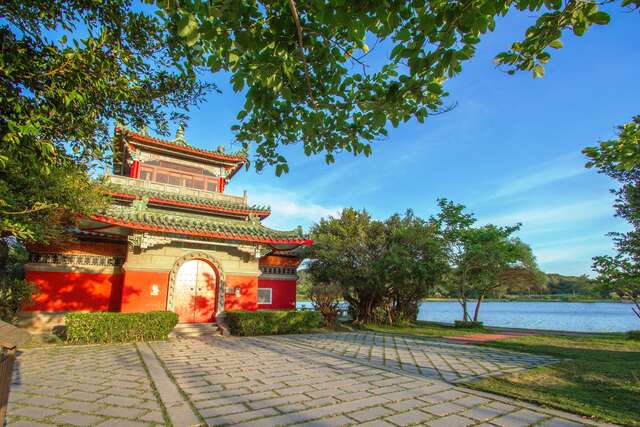
Image source: Taiwan_Opendata; license credits as shown.
Overview
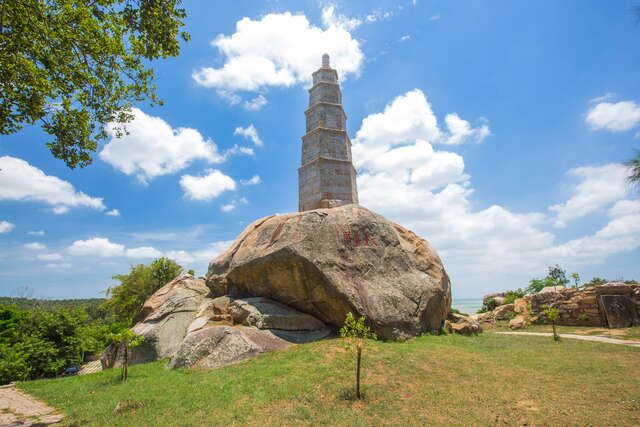
Gugang Tower was built in 1964, designed by Mr. Zhuang Wunan, a painter from Tamsui, a temple restoration expert, and an antique collector. Strolling along the shores of Gugang Lake is very tranquil and pleasant. Climbing to the top of Gugang Tower, you can overlook the lake surface, which sparkles on sunny days, presenting a beautiful scene of lake and mountains.
Highlights
Gugang Tower is a three-story Minnan-style pavilion located by Gugang Lake, combining scenic views with cultural stories. Visitors can enjoy a leisurely walk along the lakeside, taking in the serene lake and mountain scenery, and then ascend the tower for a distant view of the shimmering lake surface and surrounding mountains, experiencing the poetic atmosphere of 'lake and mountain scenery.' Built in 1964 by Mr. Zhuang Wunan, it integrates traditional architectural aesthetics with the historical background of wartime Kinmen, becoming an important landmark and photo spot in the Jincheng area.
What to See
1. Gugang Tower Structure Gugang Tower is a traditional Minnan-style building approximately three stories high, featuring red beams and green tiles, with a heavy eave corridor. Its ancient appearance and intricate carvings showcase artistic beauty. Designed by Mr. Zhuang Wunan, the original site was a cemetery, transformed into a viewing tower due to the leader's fondness for the scenery at that time, combining architectural aesthetics with historical memory. 2. Scenic View from the Tower Top Climbing to the upper levels of Gugang Tower offers a panoramic view of Gugang Lake and the surrounding hills. On clear days, the lake surface sparkles, and the distant mountain scenery, rooftops of settlements, and lakeside greenery are all visible, making it a popular spot for photography and enjoying sunsets and sunrises. Different views from various floors allow you to experience the multi-layered changes of 'lake and mountain scenery.' 3. Lakeside Scenery of Gugang Lake Gugang Tower is adjacent to Gugang Lake, which features walking paths suitable for leisurely strolls, allowing visitors to quietly appreciate the reflections on the lake and the surrounding forest scenery. Early mornings and evenings are especially tranquil and pleasant, with gentle lake breezes and delicate changes in light and shadow, making it a rare poetic lakeside landscape in Kinmen. 4. Surrounding Hills and Settlement Views Gugang Lake is surrounded by several hills, complemented by lakeside settlements and traditional building rooftops, creating a unique combination of mountains, water, and culture rarely found on wartime islands. From Gugang Tower, you can observe both the natural terrain and the patterns of early settlements, making it particularly appealing to travelers who love photography and cultural landscapes. 5. Overall Atmosphere of Gugang Scenic Area The Gugang Lake Scenic Area, where Gugang Tower is located, was once known as 'Gugang Fengyue,' famous for its diverse landscapes of lakes, mountains, settlements, and military facilities. It is one of the few areas in Kinmen that combines natural ecology, historical memory, and recreational functions. When visiting Gugang Tower, you can also experience the tranquil and leisurely charm of the entire Gugang area.
Address
893 Jincheng Township, Kinmen County, Gugang Tower Phone: (08)2313100
Travel Tips
1. Recommended Duration General travelers can allocate about 1 to 2 hours for a leisurely walk around the lake, climbing the tower for views and photography. If combined with nearby settlements and walking paths, a half-day itinerary is recommended. 2. Visiting Times and Seasons The spring and autumn climates are more comfortable, suitable for lakeside walks and tower views; in summer, the sunlight is strong, so it's advisable to avoid midday, with mornings or evenings being better for photography and sightseeing. Clear, cloudless days are best for appreciating the sparkling lake surface and distant mountain outlines. 3. Clothing and Equipment Recommendations The lakeside breeze can be quite noticeable, so it's recommended to wear comfortable, easy-to-walk clothing and shoes for strolling around the lake and climbing stairs. Photography enthusiasts may want to bring a camera or a wide-angle lens for capturing the complete lake view and the lines of the pavilion. 4. Transportation and Route Planning Most travelers will use Jincheng Township as a base before heading to Gugang Lake and Gugang Tower, often connecting with attractions like Kinmen City and nearby settlements. It’s advisable to walk around the lake first, then ascend Gugang Tower, allowing for a smooth route that is less physically demanding. 5. Visiting Etiquette and Safety Be mindful of stairs and corners when climbing the tower, avoiding running or pushing, especially when accompanying children. Some sections of the lakeside path are close to the water, so be cautious while taking photos and avoid getting too close to the edge. Keep the environment clean and do not leave trash to maintain the serene scenery of lake and mountains. 6. Photography and Framing Suggestions To capture both Gugang Tower and the lake view in one frame, consider standing at an appropriate position on the opposite shore or lakeside, allowing the pavilion to reflect in the lake and the distant mountains. The golden hours just after sunrise and before sunset best highlight the eaves and tile colors, making it a prime time for photography enthusiasts.
Nearby Dining
The area around Gugang Tower focuses on natural scenery and lakeside paths, with dining options nearby being somewhat scattered. Many travelers return to Jincheng Township for their main meals. It is recommended to dine in town first or prepare simple snacks and drinks before heading to Gugang Lake and Gugang Tower for a stroll and photos, finding a quiet corner by the lake to relax and enjoy a leisurely afternoon or evening.
FAQ
Q: Is Gugang Tower worth a special trip? A: Gugang Tower is well-suited for inclusion in itineraries around Jincheng in Kinmen, especially for travelers who enjoy lake views, traditional architecture, and quiet walks. The tower itself is beautifully constructed, combined with the lake's scenery and surrounding mountains, creating an elegant and serene atmosphere, providing a delicate experience beyond the wartime landscapes of Kinmen, and is also great for photography and slowing down to appreciate the everyday scenery of Kinmen. Q: Is there an entrance fee to visit Gugang Tower? A: Whether there is a fee for visiting Gugang Tower and the ticket price may vary depending on the managing authority, it is advisable to check the official information from Kinmen County or Kinmen National Park before departure. Most travelers will visit the Gugang Lake Scenic Area at the same time, making the overall cost manageable, suitable as a relaxed option for independent travel and family outings. Q: What nearby attractions can be arranged when visiting Gugang Tower? A: Common arrangements when visiting Gugang Tower include connecting with the Gugang Lake walking path, Gugang settlements, and nearby attractions in Jincheng Township. Travelers can first stroll and take photos by Gugang Lake, then ascend Gugang Tower for an overview of the area, and afterward, depending on time, connect to Kinmen City, nearby traditional settlements, or other wartime relics, forming a route that combines nature and culture. Q: What should be noted when visiting Gugang Tower? A: The main considerations when visiting Gugang Tower are safety on stairs and heights, as well as walking safety near the water areas of the lakeside path. It is recommended to wear comfortable flat shoes, avoid running inside the tower or leaning on railings, and travelers accompanying elderly or children should keep a close watch. Additionally, please maintain cleanliness and avoid loud noises to preserve the original serene atmosphere of Gugang Lake and Gugang Tower.